Dental Implants vs. Bridges: Pain, Longevity, and Which Works Best for Front Teeth
Comparing dental implants vs. bridges for pain, lifespan, and front teeth? Discover the best option for your smile and schedule your consultation today!
Read More
A complete smile makeover combines cosmetic and restorative procedures to transform your teeth's shape, color, and alignment. Before committing, you need to understand bite prerequisites, long-term maintenance responsibilities, and how smart treatment sequencing can stretch your insurance benefits further than most patients realize.
For Long Beach patients, most people researching smile makeovers focus immediately on veneers and whitening. That's understandable. But the clinical reality is less glamorous: placing beautiful restorations on an uncorrected bite is one of the fastest ways to destroy them.
Heavy bruxism, deep bites, edge-to-edge occlusion, and untreated grinding habits create forces that veneers and crowns simply weren't designed to absorb alone. The result? De-bonded porcelain, chipped units, or fractured restorations within 12–24 months of placement.
Before any cosmetic work begins, a thorough occlusal evaluation is essential. Depending on findings, your dentist may recommend a pre-makeover phase that includes:
This isn't a delay tactic. It's the foundation that determines whether your investment lasts a decade or a few years. According to Healthline, applying traditional veneers involves permanently removing enamel — meaning there's no going back once placement begins. Getting the bite right beforehand protects both your teeth and the irreversible work that follows.
The most common thing patients hear is: "Insurance doesn't cover cosmetic dentistry." That's often true for purely elective procedures. But real smile makeovers almost always blend restorative and aesthetic work — and that distinction matters enormously for your benefits.
Dentists can legitimately separate medically necessary restorative codes from elective cosmetic codes within the same treatment plan. A structurally compromised tooth receiving a tooth crown may be billed under a restorative CDT code, while a purely aesthetic veneer on a healthy tooth falls under a different classification. These aren't the same procedure, and your insurance treats them differently.
The November–January split strategy takes this further. By scheduling preparatory work (impressions, temporaries, occlusal prep) in November and final placement in January, you tap into two consecutive calendar-year benefit maximums. Many plans reset January 1st, effectively doubling the restorative benefits available for a single treatment sequence.
This requires coordination with your dental team and a transparent conversation with your insurance provider — but it's a legitimate approach that the American Dental Association supports through proper CDT coding practices. Ask your dentist specifically whether your treatment plan includes any restorative components that qualify.
WebMD's cosmetic dentistry overview describes the modern toolkit well: whitening, bonding, veneers, crowns, and implants can all be combined within a single comprehensive plan.
Here's a realistic breakdown of what makeover components look like in practice:
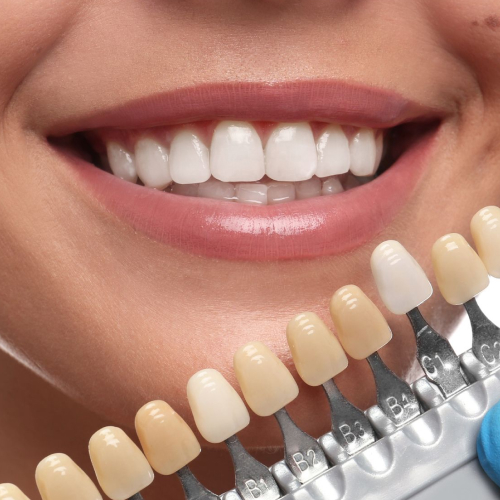
Teeth whitening is typically the starting point. Professional teeth whitening establishes your baseline shade before any restorations are matched to it — skipping this step means your new veneers may not match future whitening results.
Veneers are thin porcelain or composite shells bonded to the front surface of teeth. According to WebMD's veneer guide, they address discoloration, chips, gaps, and minor misalignment. Porcelain veneers resist staining and reflect light more naturally; composite veneers can often be placed in a single visit.
Crowns fully cap damaged or structurally compromised teeth, restoring both function and appearance simultaneously — making them strong candidates for restorative insurance coding.
Gum contouring addresses excessive gum display ("gummy smile") through a minor surgical procedure that exposes more of the tooth surface.
The combination chosen depends entirely on your starting point, your bite evaluation results, and your aesthetic goals.
A smile makeover isn't a one-time transaction. Protecting the result requires ongoing maintenance that most patients don't factor in until they're already committed.
Key long-term responsibilities include:
Mouthhealthy.org emphasizes that only a licensed dentist should place veneers — and that unlicensed providers risk infection, nerve damage, and placement over unhealthy teeth. Choosing a qualified provider from the start reduces the likelihood of early failure and unplanned repair costs.
Is a smile makeover worth it? For patients who complete proper pre-treatment evaluation, understand the maintenance commitment, and approach insurance strategically — the answer is frequently yes. For patients who skip the bite assessment or underestimate long-term care, the answer gets more complicated.
Long Beach Family Dentist works with patients throughout the Long Beach area to design treatment plans that balance aesthetic goals with functional health and realistic benefit coordination. If you're considering a smile makeover, start with a consultation to assess your bite, review your aesthetic dentistry options, and build a sequenced plan that protects your investment for years to come.
Medical disclaimer: This article is for informational purposes only and does not constitute dental or medical advice. Consult a licensed dental professional for diagnosis and personalized treatment recommendations.
Fresh news from the dental world




Mon 8AM - 5PM
Tue 8AM - 5PM
Wed-Thu 8AM - 5PM
Fri 8AM - 5PM
Sat 9AM - 3PM
Sun Closed
Check out what our patients are saying in Long Beach, CA...


“My favorite dentist...”
The service here is amazing and they make you feel comfortable. I'm one of those people that hates to go to the dentist and the dentists that I went to in the past were not that great with service. Overall I found my favorite dentist service now at Long Beach Family Dentist.

“Clean and friendly...”
Very clean and friendly crew. I really enjoyed myself.

“A positive experience...”
Very clean and organized office! Entire staff was pleasant and friendly, and seems interested in ensuring I had a positive experience. Will definitely return! Affordable rates.

“Answers any questions...”
I been a patient here for over twelve years. Andrea greeted me and got my folder set up. Toni is very friendly and answers any questions you have promptly, when I always come in she greets you with a smile and makes your appointment enjoyable. Today Jovani and Dr. Joan made this experience great. I recommend this dentist for new patients.
“My favorite dentist...”
The service here is amazing and they make you feel comfortable. I'm one of those people that hates to go to the dentist and the dentists that I went to in the past were not that great with service. Overall I found my favorite dentist service now at Long Beach Family Dentist.
“Clean and friendly...”
Very clean and friendly crew. I really enjoyed myself.
Check out our accreditations, sources, and relationships in the wide world of dentistry...


Check us out and follow our Long Beach, CA practice on social media...