Composite vs. Silver Fillings: What Long Beach Patients Should Know Before Choosing
Choosing between composite vs. silver fillings? Discover which option looks natural and lasts. Call Long Beach Family Dentist to schedule your visit today!
Read More
Composite fillings blend naturally with your teeth but degrade differently than silver amalgam — and for reasons most patients never hear explained. Understanding why fillings fail, how they age aesthetically, and how your insurance classifies them helps you make a genuinely informed decision.
Most patients hear that silver amalgam outlasts composite resin and assume dentists are just pushing another option. The real answer is biochemical, and it changes how you think about maintenance.
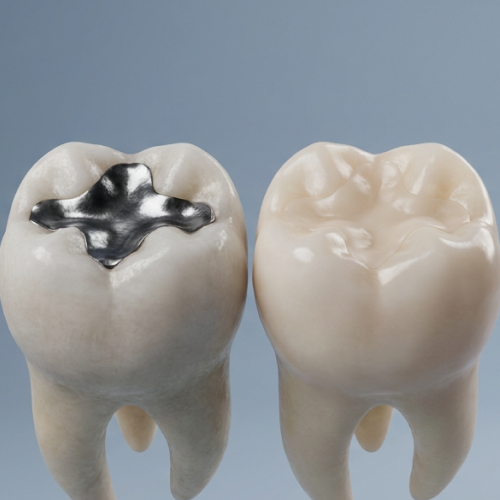
Dental amalgam undergoes a natural oxidation process over time. The corrosion byproducts physically fill microscopic gaps between the metal and your tooth structure, essentially self-sealing the restoration against bacterial infiltration. That's a meaningful durability advantage — particularly in back teeth that absorb significant chewing force.
Composite resin works differently. The bond between resin and dentin depends on a hybrid adhesive layer that is vulnerable to hydrolytic degradation — meaning enzymes naturally present in saliva gradually break down that resin-dentin interface. The filling itself can look perfectly intact while recurrent decay quietly develops beneath it. According to a Healthline overview, composite fillings are made from a mixture of acrylic resin and powdered glass filler, and while durable, they carry a shorter projected lifespan than amalgam.
This doesn't make composite a bad choice. It makes regular check-ups non-negotiable. Catching early bond failure on X-ray is straightforward — which is exactly why scheduling a cleaning and exam on a consistent basis matters so much; catching it by waiting until you feel pain is not.
WebMD notes that the placement process itself takes longer for composites because the tooth must be kept completely clean and dry while each resin layer is cured with a special light. Any moisture contamination during that process can compromise the bond from day one — another reason provider skill matters.
Patients choosing tooth-colored composite often assume the result stays invisible indefinitely. The aesthetic reality is more nuanced.
Composite margins are porous relative to enamel. Dietary tannins — from coffee, tea, and red wine — penetrate those margins and cause visible browning, typically within three to five years of placement. The center of the filling may remain bright while the edges darken, creating a subtle but noticeable outline effect along the smile line.
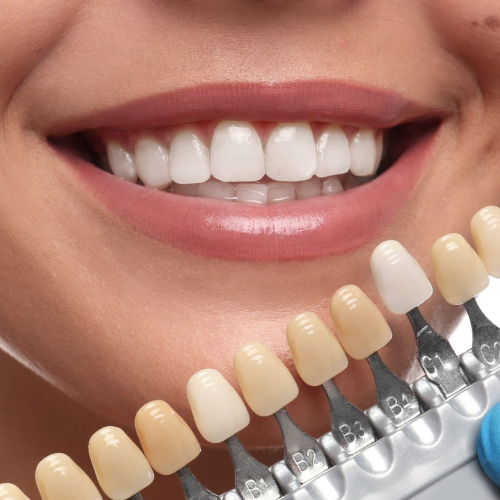
The challenge becomes more complicated when replacing an old silver filling on a visible tooth. Silver amalgam permanently stains the surrounding dentin. When that stained dentin is covered with translucent composite resin, the gray or blue-gray hue shows through — a phenomenon called dentin shadowing. Correcting it requires a specialized opaque masking liner applied before the composite layers, a technique not every provider uses by default. If a front-of-mouth silver filling is being replaced for cosmetic reasons, this is worth discussing explicitly before treatment begins. Patients with more extensive cosmetic concerns sometimes explore options like porcelain veneers to address discoloration that composite alone can't fully conceal.
The American Dental Association's MouthHealthy resource confirms that tooth-colored fillings are now used more often than amalgam, largely because patients prioritize smile aesthetics — but notes that composites can be less durable and may need replacement more frequently.
The shift away from silver amalgam is real, but the reason isn't toxicity. Multiple major health organizations — including the ADA, CDC, and WHO — have affirmed amalgam's safety record. The NIDCR explains that while amalgam fillings release small amounts of mercury vapor during chewing, current evidence does not show that exposure level is harmful to health.
The primary drivers behind amalgam's decline are cosmetic preference and environmental policy. Many countries have moved to phase out amalgam use due to mercury's environmental impact, and patients in image-conscious communities increasingly request tooth-colored alternatives regardless of location. For those interested in a broader approach to smile improvement, aesthetic dentistry encompasses a range of solutions beyond fillings alone.
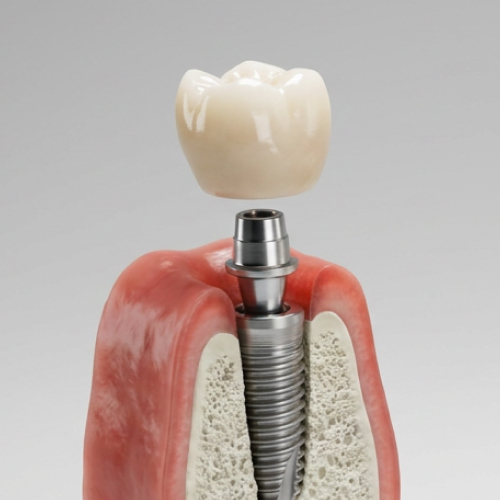
Amalgam still has clinical advantages worth acknowledging. It performs better in large cavities, tolerates moisture during placement, and remains highly durable. For back molars in patients who aren't concerned with aesthetics, it remains a clinically sound option. In cases where decay has progressed significantly, a tooth crown may ultimately be recommended over a filling to restore full function and protect the remaining tooth structure.
Here's a detail that catches Long Beach patients off guard. Many dental PPO plans include what's called an "alternate benefit provision" — sometimes called a posterior downgrade clause. When you choose a composite filling on a back molar, your insurer may only reimburse at the amalgam rate, classifying the tooth-colored material as an elective upgrade. Coverage rules vary by plan.
Before scheduling a posterior filling, ask your dental billing coordinator these specific questions: Does my plan apply an alternate benefit provision for posterior composite fillings? Will the claim be processed at the composite rate or downgraded to amalgam? What is my expected responsibility after the downgrade is applied?
The Journal of the American Dental Association has addressed the silver vs. tooth-colored filling comparison from a patient-education perspective — a useful reference if you want to walk into that billing conversation with context.
Getting clarity before treatment prevents the frustration of an unexpected balance bill after the fact. It's also worth knowing that untreated cavity fillings left too long can escalate into more complex and costly procedures, making timely treatment the smarter decision regardless of which material you choose.
Choosing between composite and silver fillings isn't one-size-fits-all. The right answer depends on which tooth is involved, how large the cavity is, your aesthetic priorities, and how your specific insurance plan handles the claim. Long Beach Family Dentist is here to walk through all of it with you — clearly, without pressure, and with your long-term dental health as the priority. If you're also dealing with tooth pain or sensitivity alongside your filling decision, don't wait — a dental emergency evaluation can help rule out anything more serious before it worsens. Serving patients throughout the Long Beach area, we're happy to answer your questions before any treatment begins.
This article is for informational purposes only and does not constitute professional dental or medical advice. Consult a licensed dentist for guidance specific to your oral health needs.
Fresh news from the dental world



Mon 8AM - 5PM
Tue 8AM - 5PM
Wed-Thu 8AM - 5PM
Fri 8AM - 5PM
Sat 9AM - 3PM
Sun Closed
Check out what our patients are saying in Long Beach, CA...


“A positive experience...”
Very clean and organized office! Entire staff was pleasant and friendly, and seems interested in ensuring I had a positive experience. Will definitely return! Affordable rates.

“Clean and friendly...”
Very clean and friendly crew. I really enjoyed myself.

“Answers any questions...”
I been a patient here for over twelve years. Andrea greeted me and got my folder set up. Toni is very friendly and answers any questions you have promptly, when I always come in she greets you with a smile and makes your appointment enjoyable. Today Jovani and Dr. Joan made this experience great. I recommend this dentist for new patients.

“My favorite dentist...”
The service here is amazing and they make you feel comfortable. I'm one of those people that hates to go to the dentist and the dentists that I went to in the past were not that great with service. Overall I found my favorite dentist service now at Long Beach Family Dentist.
“A positive experience...”
Very clean and organized office! Entire staff was pleasant and friendly, and seems interested in ensuring I had a positive experience. Will definitely return! Affordable rates.
“Clean and friendly...”
Very clean and friendly crew. I really enjoyed myself.
Check out our accreditations, sources, and relationships in the wide world of dentistry...


Check us out and follow our Long Beach, CA practice on social media...