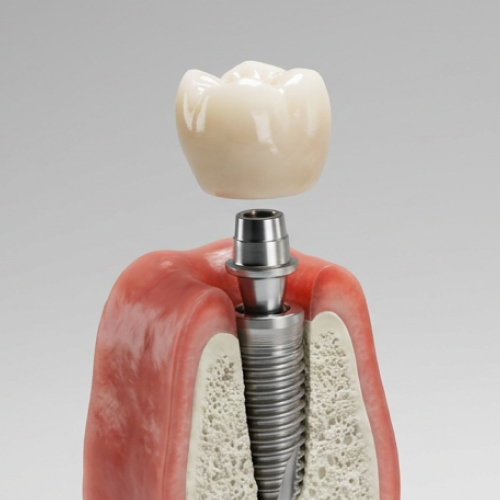
Dental Implants vs. Bridges: Pain, Longevity, and Which Works Best for Front Teeth
Comparing dental implants vs. bridges for pain, lifespan, and front teeth? Discover the best option for your smile and schedule your consultation today!
Read More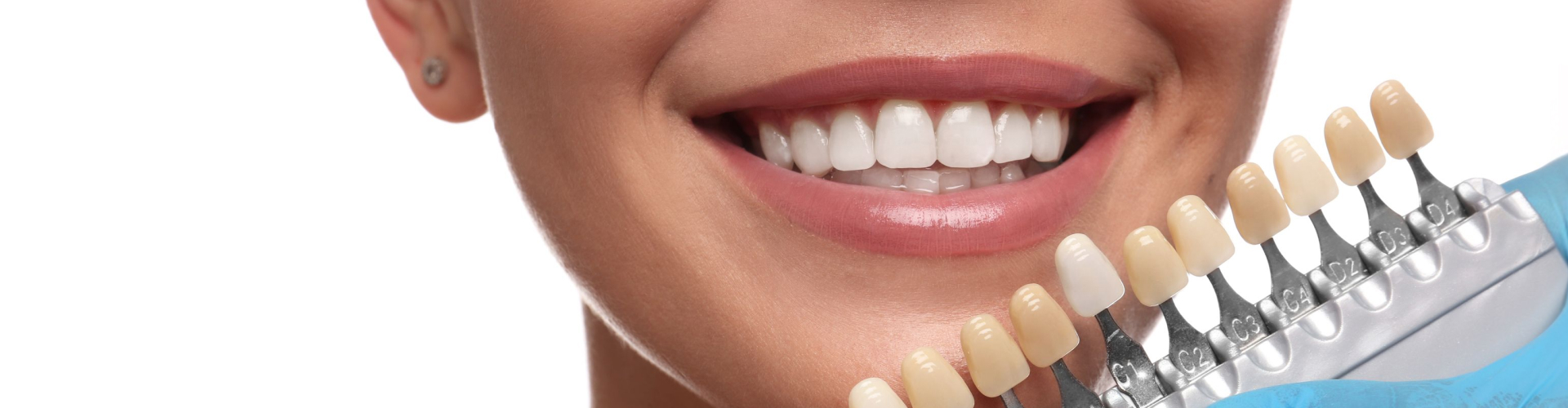
Dental veneers can dramatically improve your smile, but the decision involves more than aesthetics — it involves permanent changes to your tooth structure that compound over decades. Understanding the long-term biological and clinical picture helps you choose the right path from the start.
Most conversations about veneer longevity stop at "10 to 15 years." That framing is misleading. According to Healthline, traditional porcelain veneers can last 10 to 15 years with high success rates extending to 20 years. But what happens after that?
Every veneer replacement requires re-etching and re-prepping the underlying tooth. Each cycle removes a thin additional layer of enamel — enamel that never grows back. Over 30-plus years, this cumulative loss can reduce a once-healthy tooth to a structure that can no longer support another veneer. At that point, a full-coverage tooth crown becomes the only remaining option. From there, the clinical pipeline can eventually lead to root canals or further restorative intervention.
This is not a worst-case scenario. It is the predictable biological consequence of choosing an irreversible procedure.
As WebMD notes, placing porcelain veneers requires removing enamel from the front of your teeth — a step that makes the surface rough enough to bond the veneer, but also permanently alters your natural tooth structure. That alteration cannot be undone.
For Long Beach-area patients in their 20s or 30s considering a full smile makeover, this timeline matters enormously. A decision that feels cosmetic today sets a clinical trajectory that plays out over a lifetime.
Competitor pages typically list crowns, Lumineers, or snap-on veneers as alternatives. But in modern cosmetic dentistry, the genuine gold-standard alternative for appropriate candidates is a sequenced, minimally invasive approach sometimes called the Align-Bleach-Bond protocol.
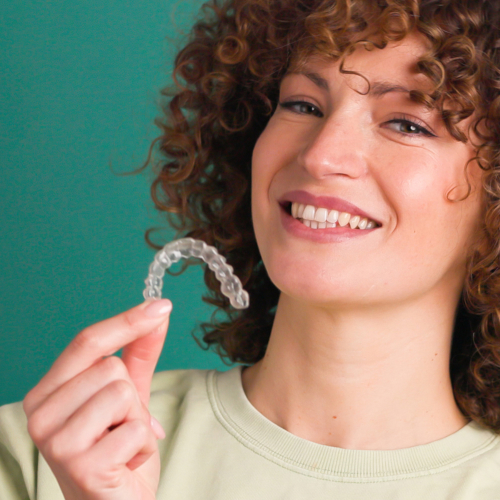
The concept works in three stages. First, short-term Invisalign clear aligners correct spacing, crowding, or bite issues that veneers would otherwise mask. Second, professional whitening — typically carbamide peroxide — brightens the natural tooth shade once alignment is optimized. Third, micro-bonding or enameloplasty addresses any remaining incisal edge chips, minor shape irregularities, or small gaps.
A Healthline overview of dental bonding explains that composite resin bonding is applied directly to the tooth surface without the deep etching required for porcelain veneers, making it a far less invasive option. The tooth structure remains largely intact, which preserves every future treatment option.
This matters clinically. A patient who starts with composite bonding retains the ability to upgrade to veneers later if they choose. A patient who starts with porcelain veneers cannot go back to bonding.
The American Dental Association's consumer resource MouthHealthy emphasizes that only a licensed dentist should evaluate whether veneers are appropriate for a given patient — and that placement over unhealthy teeth carries real risks. That evaluation is exactly where the Align-Bleach-Bond sequence proves its value: it corrects underlying issues before any irreversible cosmetic work begins.
Not every patient is a candidate for this protocol. Severely discolored, structurally compromised, or significantly misshapen teeth may genuinely require veneers or crowns. The point is that many patients who believe they need veneers are actually better served by this staged, reversible approach — and that conversation should happen before any enamel is removed.
Upfront comparisons between bonding and veneers focus on the initial procedure. The more important comparison is what each choice demands over 10 to 15 years of ownership.
Composite bonding requires periodic maintenance — occasional micro-polishing and localized chip repairs as needed. These are minor appointments. The resin can stain more readily than porcelain, and WebMD notes that bonding may need to be replaced every several years depending on wear. Each repair, however, is additive rather than subtractive. Your natural tooth structure is not further compromised.
Porcelain veneers carry a very different maintenance profile. They resist staining better and have a more natural light-reflecting quality, per Healthline's veneer overview. But when a veneer margin breaks down, debonds, or develops cement wash-out — which is a documented failure mode, not a rare event — the repair or replacement involves the full prep cycle again. For patients with six to eight veneers, that eventual replacement cycle represents a significant procedure that has no parallel in the bonding maintenance model.
The honest comparison is not single-tooth upfront. It is the cumulative clinical picture across 15-plus years, factoring in replacement cycles, potential crown escalation, and the compounding biological cost of repeated enamel removal.
For the right candidate, porcelain veneers remain an excellent long-term cosmetic solution. For patients with mild to moderate concerns, composite bonding — or the full Align-Bleach-Bond sequence — often delivers comparable aesthetic dentistry results with far less biological commitment and a more manageable long-term maintenance profile. Patients who want to brighten their smile before committing to any restorative work may also benefit from pro teeth whitening as a first step.
The best cosmetic dental decision is the one made with complete information. If you are weighing veneers, bonding, or a minimally invasive alternative, the team at Long Beach Family Dentist can walk you through what each option means for your specific teeth — not just today, but decades from now. Schedule a cleaning and exam to get started. Serving patients across Long Beach, California, we are here to help you make a confident, informed choice.
This article is intended for general informational purposes only and does not constitute professional dental or medical advice. Please consult a licensed dentist for guidance specific to your oral health needs.
Fresh news from the dental world



Mon 8AM - 5PM
Tue 8AM - 5PM
Wed-Thu 8AM - 5PM
Fri 8AM - 5PM
Sat 9AM - 3PM
Sun Closed
Check out what our patients are saying in Long Beach, CA...


“My favorite dentist...”
The service here is amazing and they make you feel comfortable. I'm one of those people that hates to go to the dentist and the dentists that I went to in the past were not that great with service. Overall I found my favorite dentist service now at Long Beach Family Dentist.

“Clean and friendly...”
Very clean and friendly crew. I really enjoyed myself.

“A positive experience...”
Very clean and organized office! Entire staff was pleasant and friendly, and seems interested in ensuring I had a positive experience. Will definitely return! Affordable rates.

“Answers any questions...”
I been a patient here for over twelve years. Andrea greeted me and got my folder set up. Toni is very friendly and answers any questions you have promptly, when I always come in she greets you with a smile and makes your appointment enjoyable. Today Jovani and Dr. Joan made this experience great. I recommend this dentist for new patients.
“My favorite dentist...”
The service here is amazing and they make you feel comfortable. I'm one of those people that hates to go to the dentist and the dentists that I went to in the past were not that great with service. Overall I found my favorite dentist service now at Long Beach Family Dentist.
“Clean and friendly...”
Very clean and friendly crew. I really enjoyed myself.
Check out our accreditations, sources, and relationships in the wide world of dentistry...


Check us out and follow our Long Beach, CA practice on social media...