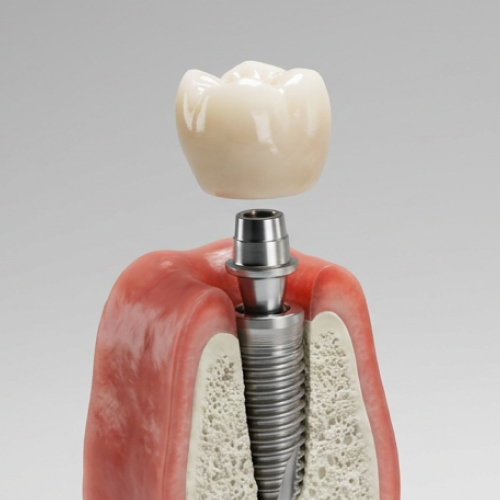
Dental Implants vs. Bridges: Pain, Longevity, and Which Works Best for Front Teeth
Comparing dental implants vs. bridges for pain, lifespan, and front teeth? Discover the best option for your smile and schedule your consultation today!
Read More
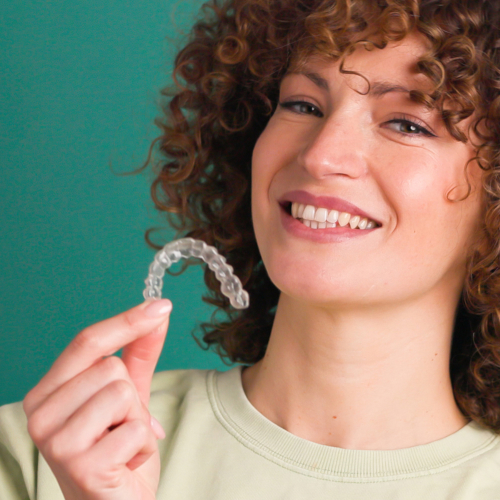
At-home aligner kits may seem like a convenient shortcut, but they skip critical safety steps that protect your teeth, roots, and bone. Invisalign, administered by a licensed dental provider, uses clinical diagnostics and biomechanical tools that direct-to-consumer trays simply cannot replicate.
This is the risk that rarely appears in online comparisons — and it matters more than anything else.
For Long Beach patients, before any responsible orthodontic treatment begins, a provider needs full-mouth radiographs. Panoramic X-rays and periodontal pocket probing aren't bureaucratic formalities. They're safety gates. Without them, there's no way to know whether you have a periapical abscess brewing beneath a tooth, active periodontal bone loss, or short root morphology that makes teeth unusually vulnerable to movement.
According to WebMD, adults seeking alignment correction frequently carry pre-existing dental conditions — including receding gum lines, missing teeth, and bone changes — that teenagers typically don't. Moving teeth through compromised alveolar bone without clinical supervision isn't just ineffective. It can cause permanent tooth loss.
At-home aligner companies take impressions or scan photos remotely. No X-rays. No probing. No clinical examination. You wouldn't ask a pharmacist to perform surgery based on a selfie — the same logic applies here.
Invisalign treatment at a dental practice begins with a comprehensive clinical exam, often including digital scans and radiographs. That foundation isn't optional. It's what makes the tooth movement safe.
Not all clear plastic trays work the same way — and this is where the biomechanics matter.
Direct-to-consumer kits can only "tip" the visible crown of a tooth. That means the top of the tooth tilts in the intended direction, but the root doesn't follow. This creates what clinicians call unstable results — and in some cases, posterior open bites where back teeth no longer meet properly.
Invisalign uses SmartForce attachments: small, tooth-colored composite resin anchors bonded directly to specific teeth. As Healthline explains in their Invisalign attachments overview, these attachments have precise shapes engineered to promote specific types of movement — including root rotation, vertical repositioning, and torque control that tipping alone cannot achieve.
Additionally, dentists performing Invisalign treatment can perform Interproximal Reduction (IPR) — a controlled reshaping of the contact points between teeth to create space for proper movement. At-home kits offer none of this. The result is that complex tooth movements, overbite correction, and bite alignment are physically outside the capability of direct-to-consumer trays. For patients who are not candidates for clear aligners at all, teeth straightening braces remain a reliable alternative that a licensed provider can evaluate and recommend.
A Healthline overview of Invisalign and overbites confirms that even with Invisalign, correcting bite issues requires careful, progressive pressure adjustments — the kind that demand professional oversight at every stage.
Price-conscious decisions are understandable. But the financial math on at-home aligners often looks very different by the end.
Direct-to-consumer kits don't include mid-course corrections. If your teeth aren't tracking properly — a common occurrence — there's no provider monitoring your progress, no refinements built into the treatment protocol, and no clinical accountability if something goes wrong.
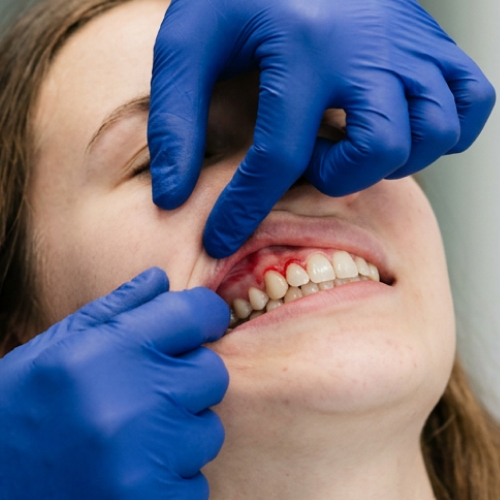
When treatment goes off-track, patients frequently end up in a dental office anyway. Now the provider isn't starting fresh. They're managing an iatrogenic malocclusion — a bite problem that didn't exist before treatment. That's a more complex, more time-intensive case than the original alignment issue would have been. In some cases, mismanaged tooth movement can escalate into a gum disease gingivitis situation that requires urgent clinical intervention before any further orthodontic work can proceed.
Healthline's comparison of aligners vs. braces notes that aligner effectiveness relies significantly on daily wear compliance and proper fit — two variables that require professional monitoring to catch early when they go wrong.
Comprehensive Invisalign through a dental provider includes built-in refinements, progress check appointments, and post-treatment retainer planning. According to a Healthline overview of Invisalign effectiveness, wearing aligners for the full 20–22 hours daily and following the prescribed sequence are essential — and having a provider verify that you're on track protects both your outcome and your long-term investment. Routine cleaning and exam appointments throughout your Invisalign treatment also allow your provider to monitor gum health and catch any emerging issues before they become serious.
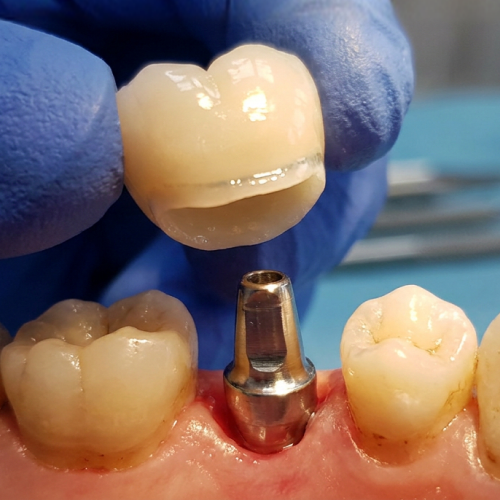
Starting with supervised Invisalign isn't just clinically safer. It's frequently the more economical path when you account for what corrective treatment actually requires. Patients who delay or abandon supervised treatment sometimes face more invasive restorative work down the line — including dental implants to replace teeth that were lost due to unmonitored movement through compromised bone.
If you're weighing your alignment options, the conversation should start with a clinical evaluation — not a mail-order kit. Long Beach Family Dentist serves patients throughout the Long Beach area with comprehensive Invisalign consultations, including the diagnostics and personalized treatment planning that protect your smile from start to finish. To learn more about the full range of aesthetic dentistry services available, schedule your consultation today.
Medical disclaimer: This article is intended for informational purposes only and does not constitute professional dental or medical advice. Always consult a licensed dental provider before beginning any orthodontic treatment.
Fresh news from the dental world


Mon 8AM - 5PM
Tue 8AM - 5PM
Wed-Thu 8AM - 5PM
Fri 8AM - 5PM
Sat 9AM - 3PM
Sun Closed
Check out what our patients are saying in Long Beach, CA...


“My favorite dentist...”
The service here is amazing and they make you feel comfortable. I'm one of those people that hates to go to the dentist and the dentists that I went to in the past were not that great with service. Overall I found my favorite dentist service now at Long Beach Family Dentist.

“Clean and friendly...”
Very clean and friendly crew. I really enjoyed myself.

“A positive experience...”
Very clean and organized office! Entire staff was pleasant and friendly, and seems interested in ensuring I had a positive experience. Will definitely return! Affordable rates.

“Answers any questions...”
I been a patient here for over twelve years. Andrea greeted me and got my folder set up. Toni is very friendly and answers any questions you have promptly, when I always come in she greets you with a smile and makes your appointment enjoyable. Today Jovani and Dr. Joan made this experience great. I recommend this dentist for new patients.
“My favorite dentist...”
The service here is amazing and they make you feel comfortable. I'm one of those people that hates to go to the dentist and the dentists that I went to in the past were not that great with service. Overall I found my favorite dentist service now at Long Beach Family Dentist.
“Clean and friendly...”
Very clean and friendly crew. I really enjoyed myself.
Check out our accreditations, sources, and relationships in the wide world of dentistry...


Check us out and follow our Long Beach, CA practice on social media...