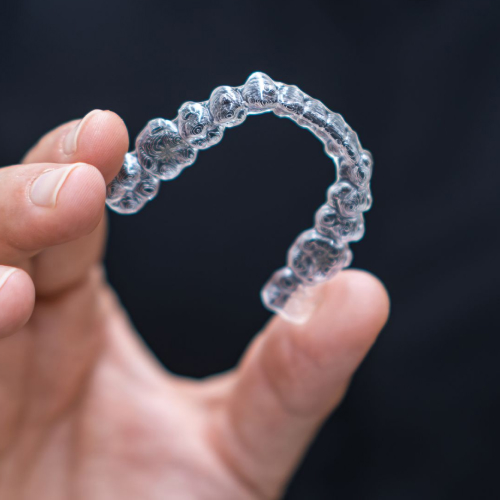
Why Your Invisalign Trays Aren't Fitting — And What to Do About It
Invisalign trays not fitting right in Long Beach? Learn why gaps happen, what tracking means, and when refinements are needed. Get answers from our dental team.
Read More
It starts off small, maybe a little throbbing or a twinge when you drink something cold. You think it’ll pass, but it doesn’t. Instead, it spreads, it pulses, and suddenly you’re Googling your symptoms at 2 a.m. If this sounds familiar, you might be dealing with a tooth abscess.
At Long Beach Family Dentist, we’ve seen how quickly something small can turn into something serious. A tooth abscess isn’t just a dental issue, it’s a health warning you don’t want to ignore. In this post, we’ll break it all down for you in simple terms, from what it feels like to what to expect if you need treatment.
Imagine a small balloon of infection building inside your gum or tooth, filled with pus and pressure. That’s essentially what an abscess is. And trust us, your body doesn’t let you ignore it for long.
Here are some common ways people describe the pain:
But it’s not just the pain. A tooth abscess often brings along swelling, a foul taste in your mouth, or even a pimple-like bump on your gums that may ooze pus. If you’ve noticed any of these signs, especially in combination, it’s time to book a dental visit immediately. Abscesses don’t heal on their own, and the longer you wait, the more complicated (and painful) things can get.
We’ll put it this way: it’s not just about the tooth. Left untreated, a tooth abscess can lead to serious complications that go far beyond your smile.
An untreated abscess allows bacteria to spread. Here’s what that can look like:
It’s not something to mess around with. Even if the pain subsides temporarily (which can happen when the abscess bursts), the infection is still there and can worsen without treatment. The earlier we can catch it, the more options you have, and the easier it is to treat.
If you’re unsure whether your symptoms are urgent, here’s a quick rule of thumb: if you’re in pain, swelling, or noticing unusual symptoms in your mouth, don’t wait. Call us. It’s always better to be safe.
Not necessarily. Extraction is a last resort, not a first step.
Here’s how we typically approach abscesses at Long Beach Family Dentist:
We know how important your natural teeth are to your confidence and long-term dental health. That’s why we’ll always try to save them if we can.
And if extraction does become the right choice? Don’t worry. We’ll walk you through tooth replacement options like dental implants or bridges to restore your smile.
Abscesses are almost always the result of an untreated infection. They form when bacteria enters the soft tissue of your tooth or gums, typically due to:
Even good oral hygiene isn’t a 100% guarantee against an abscess. That’s why regular dental checkups matter. We can spot early signs of infection and stop them in their tracks before they turn into something more painful.
You can manage the pain, but you can’t cure it without a dentist.
Here are a few things you can do while you wait for your appointment:
But remember: these are temporary measures. An abscess won’t disappear with home care alone. The infection is inside your tooth or gums, and only a dental professional can remove it completely.
If you suspect an abscess, don’t delay. The longer you wait, the more damage the infection can cause.
In fact, if you’re experiencing:
…those are signs you should seek help right away. In some cases, a hospital visit may be needed. But ideally, you should contact your dentist as soon as you feel unusual pain or pressure in a tooth.
An abscess isn’t something you can brush off. It’s your body waving a red flag, and your best move is to act quickly.
At Long Beach Family Dentist, we’re here to help, whether you’re in severe pain or just unsure about what you’re feeling. Our team offers same-day emergency appointments whenever possible, and we’ll make sure you get the care you need, with a plan that fits your situation and your smile.
Think you might have a tooth abscess? Don’t wait. Schedule your appointment today and let’s take care of it together.
Fresh news from the dental world







Mon 8AM - 5PM
Tue 8AM - 5PM
Wed-Thu 8AM - 5PM
Fri 8AM - 5PM
Sat 9AM - 3PM
Sun Closed
Check out what our patients are saying in Long Beach, CA...


“My favorite dentist...”
The service here is amazing and they make you feel comfortable. I'm one of those people that hates to go to the dentist and the dentists that I went to in the past were not that great with service. Overall I found my favorite dentist service now at Long Beach Family Dentist.

“Clean and friendly...”
Very clean and friendly crew. I really enjoyed myself.

“Answers any questions...”
I been a patient here for over twelve years. Andrea greeted me and got my folder set up. Toni is very friendly and answers any questions you have promptly, when I always come in she greets you with a smile and makes your appointment enjoyable. Today Jovani and Dr. Joan made this experience great. I recommend this dentist for new patients.

“A positive experience...”
Very clean and organized office! Entire staff was pleasant and friendly, and seems interested in ensuring I had a positive experience. Will definitely return! Affordable rates.
“My favorite dentist...”
The service here is amazing and they make you feel comfortable. I'm one of those people that hates to go to the dentist and the dentists that I went to in the past were not that great with service. Overall I found my favorite dentist service now at Long Beach Family Dentist.
“Clean and friendly...”
Very clean and friendly crew. I really enjoyed myself.
Check out our accreditations, sources, and relationships in the wide world of dentistry...


Check us out and follow our Long Beach, CA practice on social media...