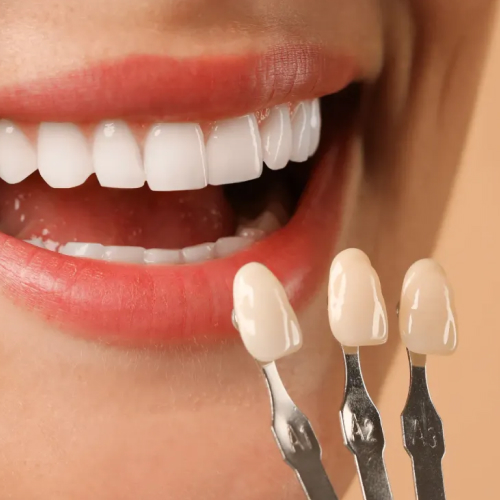
Porcelain Veneers: How Long They Last and How to Keep Them That Way
Wondering how long porcelain veneers last? Discover essential care tips to prevent chips and maintain your bright smile. Schedule your consultation in Long Beach!
Read More
Oral and craniofacial surgery isn't just about extracting teeth. It's a specialized arena that deals with complex issues of the mouth, face, and jaws. Whether you've been advised craniofacial surgery or are just curious, let's unravel the mystery behind it.
Preparing for oral surgery can be a nerve-wracking experience for many. But with the right knowledge and mindset, it becomes a seamless journey.
Understand the Procedure: Before anything, understanding what the procedure involves can take away most of the anxiety. Speak openly with your surgeon about your concerns and fears.
Medical History: Share your medical history, including medications and allergies, so the surgeon can plan the surgery without complications.
Fasting: Most surgeries require fasting for at least 8 hours before the procedure. Always consult with your surgeon about this.
Arrange Transportation: Post-surgery, you might not be in a condition to drive due to the anesthesia or sedation. So, ensure someone is there to take you home.
The pathway leading to an oral surgeon usually begins with a regular check-up or procedure at a general dentist's clinic. For many dental patients, it's a familiar process: they present a dental problem to their regular dentist, and if it's something that goes beyond the dentist's skill set or available tools, a referral is made. Conditions that might necessitate intricate surgeries or advanced expertise, like specific types of extractions, implants, or jaw adjustments, typically fall into the domain of an oral surgeon.
However, the referral process is not set in stone. In today's information-driven world, patients are more aware and proactive about their health. If you ever feel that a specific issue in your mouth or jaw warrants a closer look, or if you're keen on getting a second opinion about a diagnosis, you don't have to wait for a formal referral. Seeking out an oral surgeon directly can be an informed decision. After all, when it comes to health, it's always a good strategy to trust your instincts and take a proactive approach.
While both medical and dental insurances might offer coverage for oral surgical procedures, the distinction lies in the nature and reason for the procedure. Typically, if a surgery is deemed medically necessary, such as addressing facial traumas or removing a tumor, it's often your medical insurance that steps in to cover the costs. This is because these conditions can pose broader health risks, beyond just dental concerns.
On the flip side, when considering more routine or dental-specific procedures like the removal of a pesky wisdom tooth or setting dental implants, you'd look towards your dental insurance for coverage. But here's a word to the wise: insurance policies are as varied as the procedures themselves. Hence, it's always paramount to consult with your insurance provider before diving into any surgical procedure. This ensures you're well-prepared, both health-wise and pocket-wise, knowing what's covered and what might be an out-of-pocket expense. After all, as the saying goes, "An ounce of prevention is worth a pound of cure."
Though both deal with your mouth, their expertise and roles differ significantly. Let’s break it down.
Training and Education:
Dentists: Their journey begins with undergraduate education followed by four years in dental school. Here, they acquire a comprehensive understanding of oral health, leading to degrees like DDS (Doctor of Dental Surgery) or DMD (Doctor of Dental Medicine). Their primary focus is on preventative care, diagnosing oral diseases, and standard treatments.
Oral Surgeons: The road is longer for them. After the standard dental school, they dive into surgical residencies for another 4-6 years. This hands-on experience, often in a hospital setting, familiarizes them with a range of surgical procedures, emergency medicine, and anesthesiology.
Scope of Practice:
Dentists: Think of them as your oral health's general practitioners. From cleaning, fillings, and root canals to placing crowns and educating on oral hygiene – they're your regular go-to.
Oral Surgeons: They step in when there's a need for more intricate operations. Removing impacted teeth, setting dental implants, addressing facial traumas, and performing specialized surgeries like craniofacial corrections are just the tip of the iceberg for them.
Equipment and Tools:
Dentists: Their arsenal includes the tools you typically see during your regular visits – dental chairs, x-ray machines, instruments for cleanings, and tools for fillings.
Oral Surgeons: Given the intricate nature of their job, they're backed by advanced surgical equipment and imaging devices, ensuring precision in every procedure.
In essence, while there's an overlap in the services both offer, oral surgeons cater to more complex, surgical needs. Dentists, on the other hand, are your first port of call for general oral health and minor procedures. Both, however, play pivotal roles in ensuring your smile remains bright and healthy!
Recovery time can vary depending on the complexity of the procedure and individual factors.
Post-Surgery: Initial recovery can take a few days to a couple of weeks. You might experience swelling or discomfort, which is natural and part of the healing process.
Full Recovery: For major surgeries, complete healing and getting back to regular routines might take a few months. Always follow post-surgery guidelines and keep up with follow-up visits.
While regular dental visits are crucial, here are some signs you might need an oral surgeon:
Impacted Teeth: Especially wisdom teeth, if they don't emerge properly, they can cause pain and infection.
Jaw Joint Issues: Pain or dysfunction in the TMJ (temporomandibular joint) often requires a surgeon's expertise.
Facial Injuries: Traumas, broken jaws, or facial bone fractures are critical issues handled by oral surgeons.
In conclusion, craniofacial surgery might sound intimidating, but with the right clinic and surgeon, it's a straightforward journey. And if you're reading this, considering your options, why not schedule a consultation with our clinic? With our seasoned expertise, we'll ensure all your questions are answered, and your concerns are put to rest.
Fresh news from the dental world






Mon 8AM - 5PM
Tue 8AM - 5PM
Wed-Thu 8AM - 5PM
Fri 8AM - 5PM
Sat 9AM - 3PM
Sun Closed
Check out what our patients are saying in Long Beach, CA...


“Answers any questions...”
I been a patient here for over twelve years. Andrea greeted me and got my folder set up. Toni is very friendly and answers any questions you have promptly, when I always come in she greets you with a smile and makes your appointment enjoyable. Today Jovani and Dr. Joan made this experience great. I recommend this dentist for new patients.

“Clean and friendly...”
Very clean and friendly crew. I really enjoyed myself.

“A positive experience...”
Very clean and organized office! Entire staff was pleasant and friendly, and seems interested in ensuring I had a positive experience. Will definitely return! Affordable rates.

“My favorite dentist...”
The service here is amazing and they make you feel comfortable. I'm one of those people that hates to go to the dentist and the dentists that I went to in the past were not that great with service. Overall I found my favorite dentist service now at Long Beach Family Dentist.
“Answers any questions...”
I been a patient here for over twelve years. Andrea greeted me and got my folder set up. Toni is very friendly and answers any questions you have promptly, when I always come in she greets you with a smile and makes your appointment enjoyable. Today Jovani and Dr. Joan made this experience great. I recommend this dentist for new patients.
“Clean and friendly...”
Very clean and friendly crew. I really enjoyed myself.
Check out our accreditations, sources, and relationships in the wide world of dentistry...


Check us out and follow our Long Beach, CA practice on social media...