Root Canals Aren't All the Same — Here's What Actually Determines the Outcome
Two root canals can look identical on paper but have very different outcomes. A Long Beach dentist explains what affects success—and when to skip it.
Read More
Most people don’t give their gums much thought, until there’s a problem. Whether it’s bleeding when you brush or a nagging tenderness that won’t go away, gum issues have a way of creeping up quietly and sticking around if not treated. But here’s the thing: gum disease isn’t just about gums. It affects your overall health, your teeth, and even your smile’s future.
At Long Beach Family Dentist, we’re big on prevention and clarity. So let’s dig into the most common questions patients ask about gum disease, without the fluff. Just straight answers, honest info, and tips to protect your health.
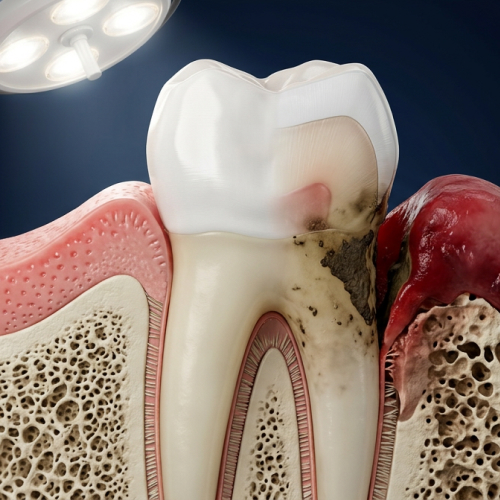
Gum disease, also known as periodontal disease, starts silently. No flashing warning signs, no sudden pain. In its early form, called gingivitis, it often begins with a buildup of plaque, that sticky film of bacteria that coats your teeth when you don’t brush or floss effectively. Over time, if plaque isn’t removed, it hardens into tartar. Tartar can’t be cleaned off at home and becomes a magnet for bacteria. That’s where inflammation begins.
Your body senses this bacteria as an infection and sends blood to the area to fight it. This is why gums become red, swollen, and bleed easily. If left alone, that mild inflammation progresses. The infection begins to attack the supporting tissues and bone around your teeth. That’s when gingivitis becomes periodontitis.
Here’s a quick breakdown of how it progresses:
It doesn’t take much to kick this off. Inconsistent brushing, skipping flossing, smoking, hormonal changes, certain medications, or underlying health conditions like diabetes can all increase your risk. Even genetics play a role.
But the real danger is how unnoticed it goes until the damage is more serious. Regular dental visits catch this early, and early is where it’s easiest to treat.
You might assume gum disease means pain, but that’s not always true. Many patients don’t feel discomfort until it’s advanced. The signs are more subtle and often written off as "normal."
Here are symptoms worth paying attention to:
Even one of these signs can mean it’s time to get checked. Gum disease is sneaky. It rarely shows all its cards at once. But the earlier we catch it, the better your chances of reversing the damage or stopping it in its tracks.
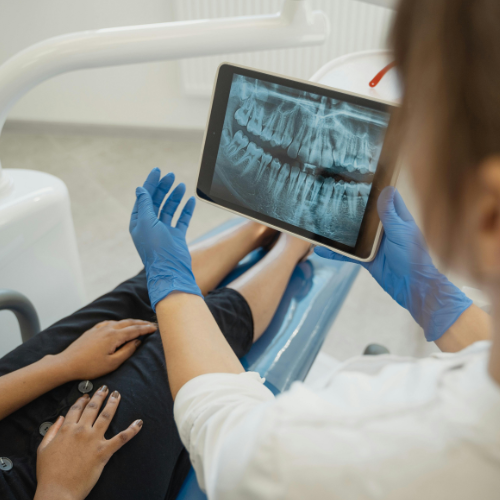
At Long Beach Family Dentist, we don’t just look at the gums, we measure pocket depths, track gum attachment, assess bone levels on X-rays, and use that data to give you a clear picture of what’s going on.
Don’t play the waiting game with your mouth. You don’t need to be in pain for something to be wrong.
Here’s the honest answer: not really. Gum disease doesn’t just “go away” without effort.
In its earliest stage, gingivitis, it can be reversed. But it requires action. That means:
Once gum disease progresses to periodontitis, it becomes a chronic condition. You can manage it, but you can’t reverse it without treatment. Deep cleanings (called scaling and root planing), antimicrobial therapy, and sometimes even gum surgery may be necessary.
Ignoring it doesn’t just mean tooth loss down the road. Research continues to show connections between gum disease and systemic health issues like:
Your gums are part of a bigger picture. Keeping them healthy protects more than your teeth.
It’s not just about your mouth. Think of your gums as the foundation for your entire smile. Once that foundation starts to weaken, even healthy teeth can suffer. Gum disease remains one of the top causes of tooth loss in adults, not because the teeth are bad, but because the structure holding them fails.
The good news? You don’t need to be part of that statistic.
We’ve helped patients catch gum issues early, reverse gingivitis, and manage periodontitis without letting it take over their lives. It starts with a simple conversation and a thorough exam.
Even if you don’t have any symptoms, make dental checkups a habit. Gum disease often lurks below the surface. By the time you notice something’s wrong, your body has been fighting a losing battle for a while.
Keep brushing. Floss, even if it feels annoying. Cut back on smoking or sugary snacks. And when in doubt, ask us.
At Long Beach Family Dentist, we’re here to keep things simple and stress-free. You bring your smile. We’ll take care of the rest.
Ready for a gum check? If you're seeing any of the symptoms mentioned, or just want to stay ahead of the game, schedule your next dental appointment today. Prevention starts with a visit. And we’re here when you’re ready.
Fresh news from the dental world






Mon 8AM - 5PM
Tue 8AM - 5PM
Wed-Thu 8AM - 5PM
Fri 8AM - 5PM
Sat 9AM - 3PM
Sun Closed
Check out what our patients are saying in Long Beach, CA...


“My favorite dentist...”
The service here is amazing and they make you feel comfortable. I'm one of those people that hates to go to the dentist and the dentists that I went to in the past were not that great with service. Overall I found my favorite dentist service now at Long Beach Family Dentist.

“Clean and friendly...”
Very clean and friendly crew. I really enjoyed myself.

“A positive experience...”
Very clean and organized office! Entire staff was pleasant and friendly, and seems interested in ensuring I had a positive experience. Will definitely return! Affordable rates.

“Answers any questions...”
I been a patient here for over twelve years. Andrea greeted me and got my folder set up. Toni is very friendly and answers any questions you have promptly, when I always come in she greets you with a smile and makes your appointment enjoyable. Today Jovani and Dr. Joan made this experience great. I recommend this dentist for new patients.
“My favorite dentist...”
The service here is amazing and they make you feel comfortable. I'm one of those people that hates to go to the dentist and the dentists that I went to in the past were not that great with service. Overall I found my favorite dentist service now at Long Beach Family Dentist.
“Clean and friendly...”
Very clean and friendly crew. I really enjoyed myself.
Check out our accreditations, sources, and relationships in the wide world of dentistry...


Check us out and follow our Long Beach, CA practice on social media...