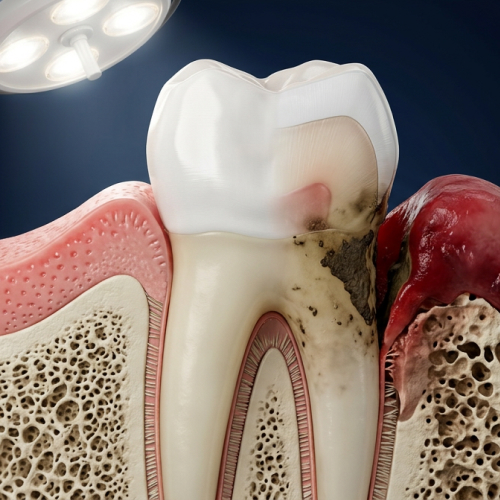
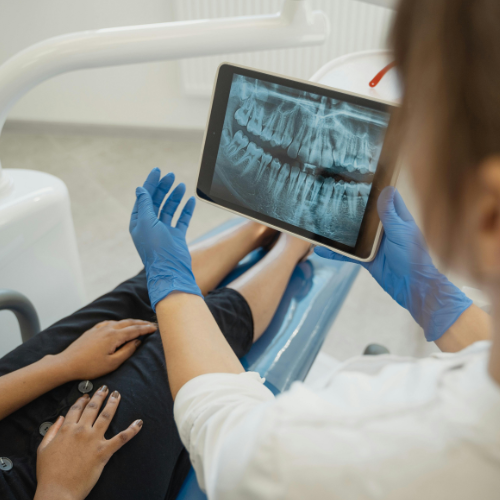
A tooth extraction is a method of removing a tooth from its socket. Tooth extractions can be either surgical or non-surgical. They are most often performed to remove impacted wisdom teeth or teeth that have been damaged by decay or infection. The procedure is usually short and painless. The first thing we want after any operation is for it to recover appropriately, fast, and painlessly. Most dental surgeons have standard post-surgery instructions printed and pass them along to the patient as a normal practice. This advice from the dentist must be followed. Following all post-operative recommendations after tooth extraction lowers the risk of infection and dry socket. If aftercare recommendations are not followed, problems might arise, leading to further delays in recovery.
How Long Should I Take Off Work After A Tooth Extraction?
Tooth extractions are a frequent dental treatment, but they may be painful. As a result, it's important to take some time off work to recover. How long you'll need to take off will depend on the type of tooth that was extracted and your overall health. For instance, wisdom teeth extractions tend to be more difficult than other types of tooth extractions, so you may need a few more days off to recover. Additionally, you may need to take more time off if you have any other health concerns that could complicate the healing process. In general, though, most people can expect to return to their work within a day or two after tooth extraction. Of course, it's always best to check with your dentist or oral surgeon before making any final decisions.
Can I Drink Water After Tooth Extraction?
Feeling a little anxious before having a tooth extracted is perfectly normal. However, it is important to focus on recovery once the tooth is out. Staying hydrated is one of the essential things you can do. Drink plenty of fluids in the hours and days following your tooth extraction, especially water. This will help to keep your mouth healthy and prevent infection. Avoid alcohol and sugary drinks, as they can contribute to dehydration. You should be feeling back to normal in no time with proper care.
How Long After Tooth Extraction Can I Eat On That Side?
It is essential to wait until the numbness from the local anesthesia wears off before eating on that side of your mouth where you had the tooth extracted. This usually takes about two to three hours. If you eat or drink before the numbness has worn off, you could bite your lip, cheek, or tongue. Once the numbness has gone, start with soft foods and progress to harder foods as your extraction site heals. Avoid chewing directly on the side of your mouth where the tooth was extracted. Chewing on that side can open up the blood clot that forms in the socket and cause a dry socket. A dry socket is a condition that can impede rehabilitation. Contact your dentist immediately if you have any discomfort or swelling following your tooth extraction. Most people heal without any problems after having a tooth pulled. But you could get an infection or a dry socket if you don't care for your mouth.
Post-Extraction Do’s
-Rest: After tooth extraction, try to get some rest. You may feel wonderful, but do not exercise or engage in strenuous activities for at least 24 hours. When sleeping, keep your head slightly erect on the pillow.
-Allow it to clot: Allow a clot to develop on the tooth extraction site, covering it and allowing it to recover. Your dentist might give you a piece of gauze to bite at the extraction site after the procedure. Try to bite down on it and hold it for at least an hour. This will provide pressure on the wound, allowing it to cease bleeding. However, avoid chewing on the gauze piece. If you can keep it in place for a more extended period, that's ideal, but be sure to replace the gauze every half hour or so, depending on the quantity of bleeding. If the clot becomes dislodged, the nerve endings will be exposed. The nerves and capillaries spasm and constrict, reducing critical blood flow and causing recovery to be delayed. If the bleeding continues for many hours after the surgery, place a wet tea bag over the wound. Tannic acid, found in black tea, aids in the coagulation process.
-Use ice packs: You can apply an ice pack to the side of your face that had surgery. This is done to help with edema. While edema is not usually associated with routine extractions, swelling can occur following significant cheek retractions. Swelling following an extraction may not develop immediately but might last for a few days, peaking on the second or third day. The ice pack is most beneficial on the day of extraction because there is no substantial benefit after 24 hours. Ice packs should be used for 1-2 hours, 15 minutes on and 15 minutes off.
-Use saline rinses: The primary goal of rinsing is to clean the extraction site because brushing the socket is not viable. We add salt to the solution to make it isotonic and comparable to natural tissue fluid, making it less irritating than water. Rinsing is often recommended 12 hours following the extraction. As a result, warm saline rinses aid in cleansing and preserving cleanliness in that region.
-Take your meds precisely as your dentist has prescribed: Don't forget to take your medications. If antibiotics are prescribed, they must be taken regularly. After tooth extraction, pain relievers and anti-inflammatory drugs should be given. It aids in the relief of pain and edema. If the discomfort persists even after two days and bleeding begins, you should see your dentist.
Post-Extraction Don’ts
-Do not smoke: Do not smoke for at least 48 hours following tooth extraction. The toxins in cigarette smoke can damage the clot, increasing the likelihood of having a dry socket following tooth extraction.
-Do not consume solids immediately: It's recommended not to consume them while you're still numb. You can begin consuming solids after you can feel your jaws. Soups, mashed potatoes, yogurts, milkshakes, smoothies, and other soft and liquid meals should be consumed after tooth extraction.
-Do not take Aspirin: Never take aspirin after any surgery. As a blood thinner, Aspirin delays clot formation and prevents healing. Take the drugs as directed by your doctor, and always contact your dentist before taking any prescription.
-Don't poke into the gap: Although having a gap may feel odd for the first few days, don't poke it with a toothpick or your tongue since this may delay healing, cause bleeding, and lead to a dry socket.
Conclusion
A tooth extraction is a serious dental procedure that requires proper aftercare to heal correctly. Immediately following the procedure, patients must not drink through straws, rinse too vigorously, or smoke tobacco products. It is also essential that patients take off work and rest for at least 24 hours following the extraction.