Can You Heal Gum Disease Naturally? What Actually Works (And What Doesn't)
Can you heal gum disease naturally? Discover which minerals and treatments kill bacteria to reverse damage. Read our guide for a healthier smile today!
Read More
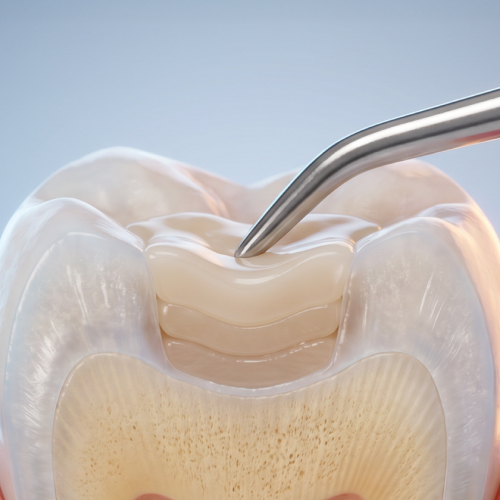
Dental crowns are caps that are put on top of broken or decayed teeth. When fillings fail to remedy the problem, crowns are utilized to preserve, cover, and restore the contour of your teeth. Metals, porcelain, resin, and ceramics are all options for dental crowns. They usually don't require any extra attention over time, except for maintaining proper dental hygiene. Why do I require a dental crown? A dental crown may be required for a variety of reasons, including: *Preventing a weak tooth from breaking. *Restoring a tooth that has been damaged or significantly worn down. *Using a big filling to cover and support a tooth that has very little tooth left. *Using a dental bridge to keep it in place. *Covering teeth that are crooked or extremely stained. *A dental implant is covered. *Covering a tooth that has had a root canal treatment.
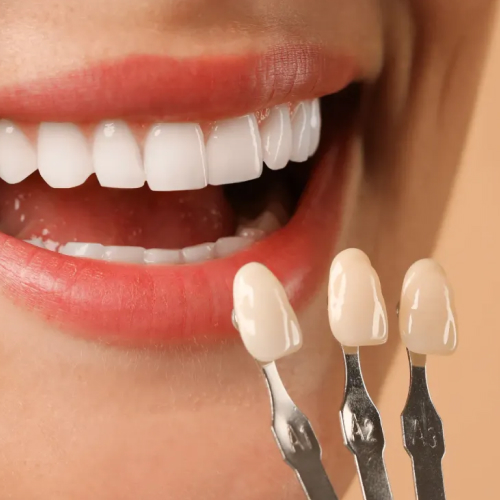
What are the materials that dental crowns are made of? Permanent crowns are available in a variety of materials. These resources may contain the following: *Metal: Gold, palladium, nickel, and chromium are some metals utilized in dental crowns. Metal crowns are the least likely to chip or shatter, last the longest in terms of wear, and need just a modest amount of tooth removal. *Porcelain-fused-to-metal (PFM): The dental crown may match the color of the teeth next to the crown. The hue of their teeth is more natural. However, the metal behind the porcelain cover of the crown occasionally peeks through as a dark line. *All-resin: Dental crowns composed of resin are less costly than other types of crowns. However, unlike porcelain-fused-to-metal crowns, they deteriorate with time and are more prone to shatter. *All-ceramic or all-porcelain: When compared to other crown kinds, these types of dental crowns have the finest natural color match. They're also a fantastic option if you're allergic to metals. They are not, however, as durable as porcelain-fused-to-metal crowns. *Pressed ceramic: A firm inner core is present in these dental crowns. The metal liner used in the all-ceramic crown-making method is replaced with pressed ceramic dental crowns. What is the dental crown procedure? Whether your dentist performs a multi-day or same-day operation will determine the process. *Multi-day procedure with a temporary crown- You will have to visit your dentist twice if you choose a standard crown. The crown-required tooth is examined and prepared by the dentist. It's possible that X-rays of the tooth will be required. They may also take a mold of your tooth or mouth before the procedure. Your dentist will file down and remove a portion of the tooth's outer coating. An imprint of your trimmed tooth and adjacent teeth will be taken. To safeguard your tooth, the dentist will place a temporary crown over it. The imprint is sent to a lab, which fabricates the crown. This procedure might take many weeks. When your crown arrives, you'll return for a second appointment so your dentist can bond it to your tooth. * Same-day procedure- You can skip the temporary crown phase if you have a same-day treatment. Your mouth is photographed digitally by the dentist. The dentist produces the crown directly in the office using the digital scan from the images. You may have to wait for 1 to 2 hours for the crown to be manufactured. Your dentist cements the crown into place once it's ready. It takes roughly 2 to 4 hours to complete the operation. Same-day crowns aren't available at every dentist's office. Whether you don't have dental insurance, ask your dentist if this option is available and how much it would cost.
What are the types of dental crowns? Dental crowns come in a variety of shapes and sizes, as well as a variety of materials. The most prevalent types are shown here, along with their benefits and drawbacks. *Ceramic or porcelain crown- Porcelain, a form of ceramic, is commonly used in ceramic crowns. Porcelain has the benefit of being robust and closely resembling genuine tooth enamel. Porcelain is stain-resistant as well. Because of these advantages, it is one of the most popular crown kinds. The only downside of porcelain is that the power of chewing might wear it down over time. *Porcelain-fused-to-metal (PFM)- Some crowns are constructed of metal and covered with porcelain. To produce a secure grasp, the porcelain fuses to the metal. This style of crown is less expensive than an all-porcelain crown, but it has significant aesthetic drawbacks. A small strip of metal may be seen along the gum line, creating a black border. *Gold Crown- Gold is one of the greatest materials for a very strong crown. A gold crown can withstand the strain from grinding your teeth. However, not everyone wants a gold tooth, therefore you could simply want a gold crown fitted over a rear molar. Because the molars carry the bulk of the chewing effort, more biting power is required. *Base metal alloy crown- The noble metal content of a base metal alloy crown is less than 25%. (gold, silver, platinum, and palladium). It is mainly composed of chromium and nickel, which gives it exceptional biting strength. A base metal alloy crown is less expensive than gold, but it may induce allergic reactions in people who are allergic to certain metals.
Fresh news from the dental world



Mon 8AM - 5PM
Tue 8AM - 5PM
Wed-Thu 8AM - 5PM
Fri 8AM - 5PM
Sat 9AM - 3PM
Sun Closed
Check out what our patients are saying in Long Beach, CA...


“Answers any questions...”
I been a patient here for over twelve years. Andrea greeted me and got my folder set up. Toni is very friendly and answers any questions you have promptly, when I always come in she greets you with a smile and makes your appointment enjoyable. Today Jovani and Dr. Joan made this experience great. I recommend this dentist for new patients.

“Clean and friendly...”
Very clean and friendly crew. I really enjoyed myself.

“My favorite dentist...”
The service here is amazing and they make you feel comfortable. I'm one of those people that hates to go to the dentist and the dentists that I went to in the past were not that great with service. Overall I found my favorite dentist service now at Long Beach Family Dentist.

“A positive experience...”
Very clean and organized office! Entire staff was pleasant and friendly, and seems interested in ensuring I had a positive experience. Will definitely return! Affordable rates.
“Answers any questions...”
I been a patient here for over twelve years. Andrea greeted me and got my folder set up. Toni is very friendly and answers any questions you have promptly, when I always come in she greets you with a smile and makes your appointment enjoyable. Today Jovani and Dr. Joan made this experience great. I recommend this dentist for new patients.
“Clean and friendly...”
Very clean and friendly crew. I really enjoyed myself.
Check out our accreditations, sources, and relationships in the wide world of dentistry...


Check us out and follow our Long Beach, CA practice on social media...