What Patients Ask Before Getting Veneers: Stains, Nightguards, and Whitening
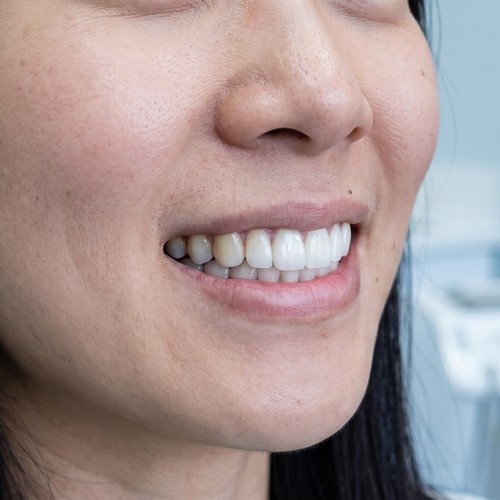
Do veneers stain? Do you need a nightguard? Learn the facts about porcelain veneers and whitening. Schedule your consultation at Long Beach Family Dentist now!
Read More
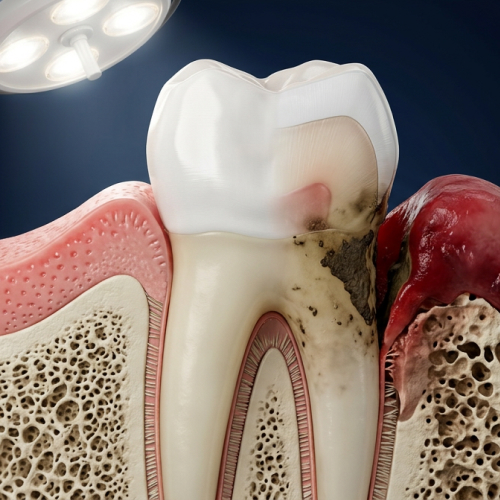
What Is A Tooth Cavity? A tooth cavity, also known as tooth decay, is a bacterial infection that damages the tooth. If it is left untreated, it can progress to grossly carious tooth infection, then it turns into a dental abscess and ultimately leads to tooth loss. The tooth cavity is formed by the activity of many bacterial species, but Streptococcus mutans is the prime culprit for the formation of a tooth cavity. This particular bacterium resides in dental plaque. The food that we consume mostly consists of refined carbohydrates. The bacteria break down this carbohydrate, converting it to harmful acids, which are the source of destruction of the tooth, forming a tooth cavity. Symptoms That A Tooth Cavity Is Forming Initially, when a person develops dental caries, they will experience pain that then becomes severe and ultimately forms a tooth cavity. There are many signs and symptoms that tell us that a cavity is forming. Some of them are the following: -The patient may experience pain (toothache). The pain can vary from being continuous, which will keep the person awake at night, to the pain that is sharp and occurring spontaneously without a reason. -The patient may also feel sensitivity in their particular tooth or all of the teeth when eating or drinking something hot or cold. -The person complains that gray or black stains or pits have developed on the surface of the tooth. -The embarrassing situation of having bad breath, which puts down the morale and confidence of the patient. -They will have an unpleasant taste in their mouth. -The tooth becomes grossly disfigured. -The tooth surface shows visible pits that are not appealing. -The patient will experience pain when they bite down on something hard. -If the tooth cavity is left untreated, it can progress to form a dental abscess, which is a pocket full of pus and debris because of elevated temperature and facial swelling.
Stages That Lead To The Formation Of A Tooth Cavity If a person does not brush their teeth regularly, plaque is sure to build upon their teeth. With time, this can harden and form a more calcified layer called tartar. This calcified layer of tartar helps the bacteria against damage, protecting them and helping them flourish. There are five stages of tooth decay. They are as follows: -Stage 1: Initial demineralization: It is possible to reverse this initial demineralization stage before permanent damage occurs. This can be achieved by treating the teeth with fluoride. -Stage 2: Enamel decay: Cavities are often present at this stage of dental decay. Fillings are used to treat cavities. -Stage 3: Dentin decay: Because dentin is softer than enamel, cavity formation moves at a faster rate when it reaches this stage. A filling may be used to treat dentin decay if it is detected early. In more advanced cases, the placement of a crown may be required. -Stage 4: Pulp damage: When tooth decay has reached the pulp, you will often need a root canal. In a root canal, the damaged pulp is removed. The tooth cavity is then cleaned and filled in. A crown is placed on the affected tooth. -Stage 5: Abscess: If an abscess has formed in a person’s tooth, the dentist will likely perform a root canal to remove the infection and seal the tooth. In severe cases, the affected tooth may need to be removed completely. Antibiotics may also be prescribed. Can A Tooth Cavity Go Away Without Seeing A Dentist? Coming to the main topic of discussion, can tooth cavities go away on their own? This is a misconception that has become so common that a tooth cavity that has formed will go away or disappear on its own. Even if a tooth cavity is detected by the dentist in its early stages, it cannot be healed completely, instead, it requires certain treatments to reverse it. The reversal can be facilitated by regular brushing, flossing, and the use of fluoride treatments. So tooth cavities, if left untreated, do not heal by themselves. The reason behind this is that the bacteria that are present on the surface of the tooth are eating away at the outermost layer (enamel), so it cannot grow back on its own. When the tooth cavity infection spreads deeper and damages the second layer, which is known as the dentin, the infection will spread even more quickly. This layer is not as thick as the first layer, so it is more prone to the formation of a tooth cavity. But let us pretend for just a moment that the tooth cavity is in its early stages. This is the earliest stage of cavity development before there is a physical hole in the tooth. At this point, an untreated cavity IS reversible, but only with the right home care and a special mineral called fluoride. When a person brushes their teeth, they remove the thin film over the tooth surface that is eating away at the tooth enamel. When the fluoride gel is applied on the surface of the tooth, it remineralizes the weak and damaged areas of the tooth and thus helps in stopping the advancement of the tooth cavity. There is not a hole just yet, but the patient will have a little scarring in their tooth that looks like white spots.
FAQs -Can you make a cavity go away? Enamel can repair itself by using minerals from saliva and fluoride from toothpaste or other sources. But if the tooth decay process continues, more minerals are lost. Over time, the enamel is weakened and destroyed, forming a cavity. A cavity is a permanent damage that a dentist has to repair with a filling. -How do you get rid of a cavity without going to the dentist? This can be done by preventing the tooth cavity from developing in the first place. This is done by applying fluoride on the tooth surface, which stops the process of tooth decay, and white spots are seen in its place. -What will happen if a cavity is left untreated? If a cavity is left untreated, then it will progress into a grossly carious tooth, then forming a dental abscess, ultimately leading to tooth loss.
Fresh news from the dental world





Mon 8AM - 5PM
Tue 8AM - 5PM
Wed-Thu 8AM - 5PM
Fri 8AM - 5PM
Sat 9AM - 3PM
Sun Closed
Check out what our patients are saying in Long Beach, CA...


“Answers any questions...”
I been a patient here for over twelve years. Andrea greeted me and got my folder set up. Toni is very friendly and answers any questions you have promptly, when I always come in she greets you with a smile and makes your appointment enjoyable. Today Jovani and Dr. Joan made this experience great. I recommend this dentist for new patients.

“Clean and friendly...”
Very clean and friendly crew. I really enjoyed myself.

“A positive experience...”
Very clean and organized office! Entire staff was pleasant and friendly, and seems interested in ensuring I had a positive experience. Will definitely return! Affordable rates.

“My favorite dentist...”
The service here is amazing and they make you feel comfortable. I'm one of those people that hates to go to the dentist and the dentists that I went to in the past were not that great with service. Overall I found my favorite dentist service now at Long Beach Family Dentist.
“Answers any questions...”
I been a patient here for over twelve years. Andrea greeted me and got my folder set up. Toni is very friendly and answers any questions you have promptly, when I always come in she greets you with a smile and makes your appointment enjoyable. Today Jovani and Dr. Joan made this experience great. I recommend this dentist for new patients.
“Clean and friendly...”
Very clean and friendly crew. I really enjoyed myself.
Check out our accreditations, sources, and relationships in the wide world of dentistry...


Check us out and follow our Long Beach, CA practice on social media...