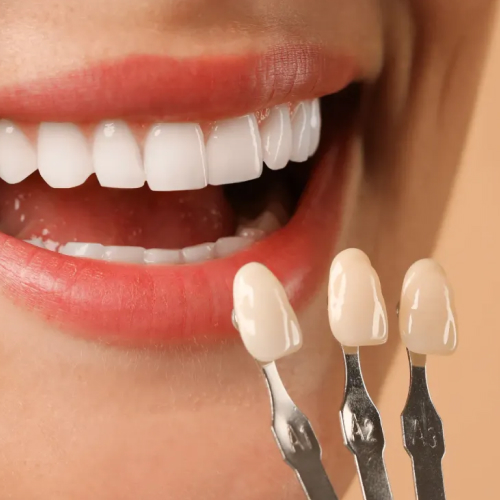
Porcelain Veneers: How Long They Last and How to Keep Them That Way
Wondering how long porcelain veneers last? Discover essential care tips to prevent chips and maintain your bright smile. Schedule your consultation in Long Beach!
Read More
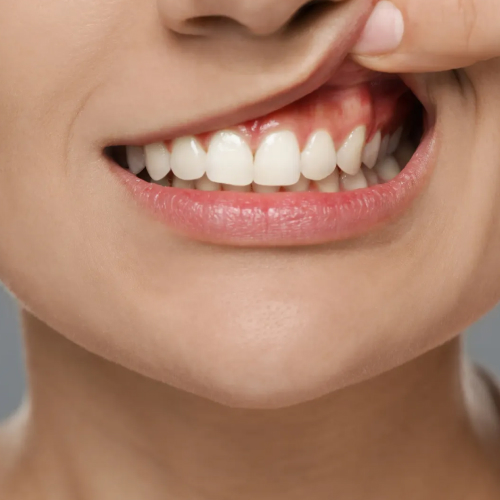
Dental bonding is a fantastic cosmetic dentistry option that can transform your smile with minimal fuss. Whether you're dealing with a pesky chipped tooth, an irritating gap, or simply curious about this non-invasive procedure, you've landed in the perfect spot. In this blog, we’ll delve into the world of dental bonding – covering the essentials, the top tips, and everything in between. Ready for some serious bonding? Let's dive in!
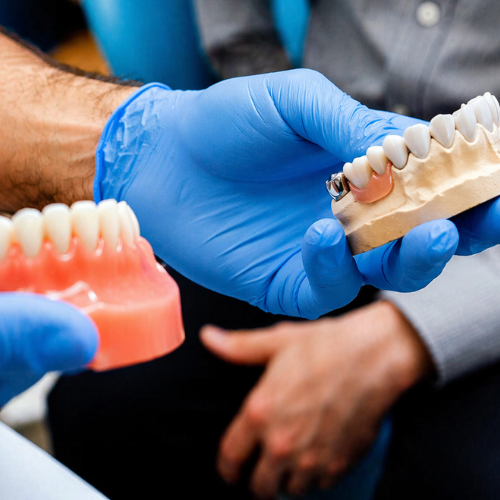
If you're new to the world of dental bonding, you might be wondering what it's all about. In the realm of dentistry, bonding is a cosmetic procedure that involves using a tooth-colored composite resin to fix imperfections in your smile, like chips, cracks, gaps, or discolored teeth. It's called "bonding" because the resin quite literally bonds to your tooth, creating a strong, lasting connection.
One of the greatest things about dental bonding is that it's a quick and easy way to improve your smile without breaking the bank or spending hours in the dentist's chair. In fact, most bonding procedures can be completed in just one visit! Plus, it's a versatile solution that can be customized to match the color, shape, and size of your existing teeth, making it virtually undetectable.
As you consider dental bonding, you might be curious about its durability. While dental bonding isn't quite as strong as your natural teeth or some other dental restorations (like crowns or veneers), it's still relatively sturdy and can last for several years with proper care. The composite resin used in bonding is designed to withstand the daily wear and tear of chewing and biting, but like anything else, it has its limits.
To keep your bonded teeth in tip-top shape, you'll want to avoid habits that could put unnecessary stress on them, such as biting your nails, chewing on ice or hard candies, and using your teeth as tools to open packages. If you grind your teeth at night, consider investing in a mouthguard to protect your bonded teeth and your other pearly whites.
In the rare event that your bonding does chip or break, don't panic! Your dentist can easily repair or replace it to get your smile back to its fabulous best. Just remember, with a little love and care, your dental bonding can serve you well for years to come.
If you're a fan of teeth whitening, you might be wondering if you can whiten your bonded teeth along with your natural chompers. Well, the truth is bonded teeth and teeth whitening can be a bit of a tricky combination.
The composite resin used in dental bonding doesn't respond to whitening treatments the same way that natural tooth enamel does. This means that if you try to whiten your teeth after bonding, you may end up with bonded teeth that no longer match the color of your newly brightened pearly whites.
However, there are still ways to achieve a whiter smile with dental bonding in the mix. If you're planning on getting your teeth bonded, consider having a whitening treatment done beforehand. This way, your dentist can match the bonding material to your freshly whitened teeth, ensuring a seamless, radiant result.
If you've already had bonding done and still want to whiten your teeth, it's best to consult with your dentist. They can advise you on the most appropriate whitening options for your unique situation and may even suggest replacing your bonded teeth with a lighter shade of composite resin to maintain a uniform appearance.
So, while whitening bonded teeth isn't as straightforward as whitening natural teeth, with a little planning and expert advice, you can still achieve that stunning, bright smile you've been dreaming of.
Remember, maintaining good oral hygiene and making regular visits to your dentist can also go a long way in keeping your smile looking its best. Be sure to brush and floss daily, and consider using a whitening toothpaste to help prevent stains from building up on both your natural teeth and bonded teeth.
Now that we've covered the essentials of dental bonding, let's delve into the best practices for taking care of your bonded teeth so that they stay in great shape for as long as possible. After all, you want to keep your smile looking fabulous and feeling healthy, right? Here are some tips and tricks to help you do just that!
By following these simple tips and tricks, you'll be well on your way to maintaining a healthy, beautiful smile with dental bonding. Remember, caring for your bonded teeth is just as important as caring for your natural teeth, and with a bit of extra attention, you can enjoy the benefits of your improved smile for years to come.
Ready to take your smile to the next level? Dental bonding might just be the solution you've been searching for! If you're curious about whether dental bonding is right for you, or if you have any questions about the procedure or maintaining bonded teeth, we're here to help.
At our clinic, we're passionate about creating beautiful, healthy smiles for our patients. Our team of experienced professionals is dedicated to providing personalized, top-notch dental care tailored to your unique needs. Don't hesitate to reach out and schedule a consultation with us – we'd love to explore your options and help you achieve the smile of your dreams!
Fresh news from the dental world



Mon 8AM - 5PM
Tue 8AM - 5PM
Wed-Thu 8AM - 5PM
Fri 8AM - 5PM
Sat 9AM - 3PM
Sun Closed
Check out what our patients are saying in Long Beach, CA...


“Answers any questions...”
I been a patient here for over twelve years. Andrea greeted me and got my folder set up. Toni is very friendly and answers any questions you have promptly, when I always come in she greets you with a smile and makes your appointment enjoyable. Today Jovani and Dr. Joan made this experience great. I recommend this dentist for new patients.

“Clean and friendly...”
Very clean and friendly crew. I really enjoyed myself.

“A positive experience...”
Very clean and organized office! Entire staff was pleasant and friendly, and seems interested in ensuring I had a positive experience. Will definitely return! Affordable rates.

“My favorite dentist...”
The service here is amazing and they make you feel comfortable. I'm one of those people that hates to go to the dentist and the dentists that I went to in the past were not that great with service. Overall I found my favorite dentist service now at Long Beach Family Dentist.
“Answers any questions...”
I been a patient here for over twelve years. Andrea greeted me and got my folder set up. Toni is very friendly and answers any questions you have promptly, when I always come in she greets you with a smile and makes your appointment enjoyable. Today Jovani and Dr. Joan made this experience great. I recommend this dentist for new patients.
“Clean and friendly...”
Very clean and friendly crew. I really enjoyed myself.
Check out our accreditations, sources, and relationships in the wide world of dentistry...


Check us out and follow our Long Beach, CA practice on social media...