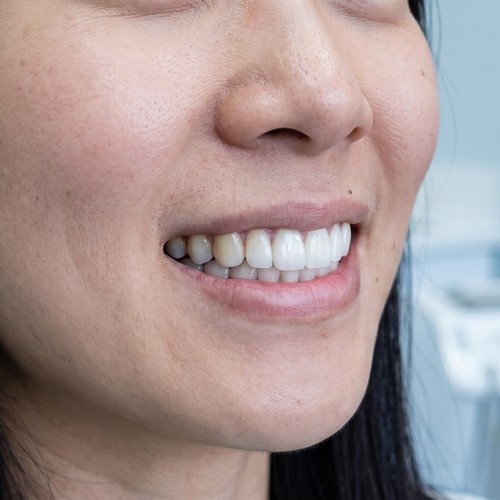
What Patients Ask Before Getting Veneers: Stains, Nightguards, and Whitening
Do veneers stain? Do you need a nightguard? Learn the facts about porcelain veneers and whitening. Schedule your consultation at Long Beach Family Dentist now!
Read More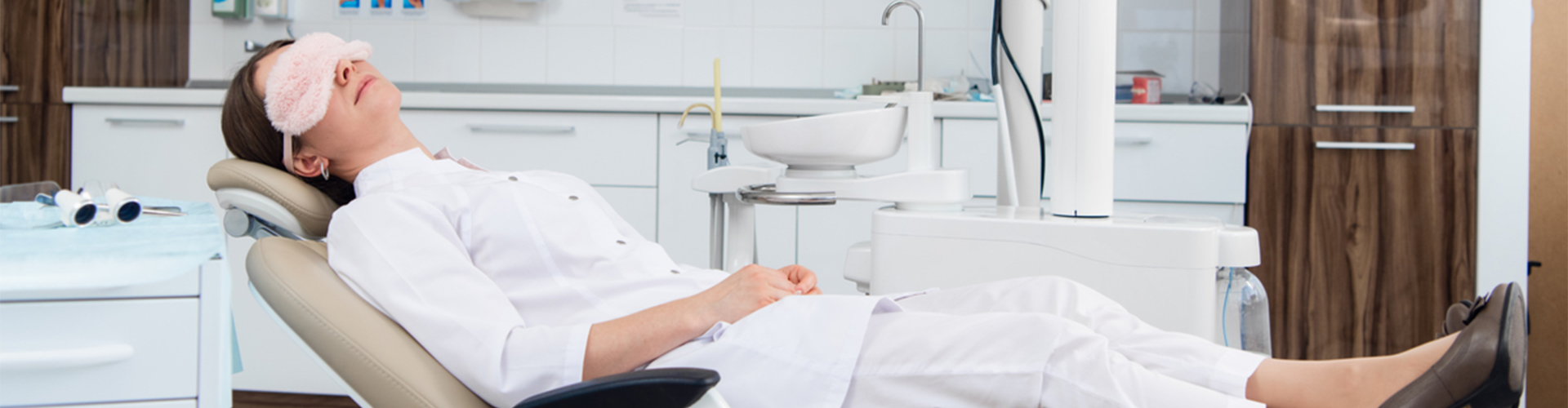
Sedation dentistry, otherwise known as sleep dentistry, is a kind of medication that is given to the patient to make them relaxed during dental examinations and procedures. Those patients who undergo this sedation technique are usually awake during their dental appointments as compared to when general sedatives are administered. Some patients are afraid and anxious during their dental visits. An anxious patient can hinder or worsen the situation for the attending dentist. In this situation, sedation dentistry comes in handy. Stages In Sedation Dentistry Following are the stages that are present in sedation dentistry: 1. Minimal sedation: The patient is conscious and in a relaxed state. 2. Moderate sedation: This stage is also known as conscious sedation, in this, the patient may have slurred speech and may not be able to fully remember what happened during their appointment. 3. Deep sedation: The patient is at the edge of sedation but can be awakened forcefully. 4. General sedation: The patient is fully unconscious. Advantages And Disadvantages Of Sedation Dentistry There are many pros and cons of sedation dentistry. Some of them are as follows: 1. Advantages of Sedation Dentistry * Easy to administer: This is especially true for oral sedation. The dentist gives the patient a pill to keep them calm during the dental appointment. It is the easiest out of the other two ways, all the patient has to do is swallow the pill before their appointment, and they will be feeling relaxed when they arrive for their appointment. * No use of needles: Many patients are afraid to go for a visit to the dentist, and most also have a fear of needles that are used during IV sedation. By using oral sedation, the patient can be at ease and not be afraid of being pricked by the needle. * It is safe: The oral sedatives are all regulated by the FDA, so it is extremely unlikely for the patient to experience any dangerous side effects. * Responsive: Although the patient may feel drowsy with pill sedation, they still are awake and responsive. Since the patient is awake during the procedure, they will still be able to listen and respond to the dentist’s instructions. 2. Disadvantages of Sedative Dentistry * It is not immediately effective: After being administered IV and nitrous oxide sedation, the patient will begin to feel their effects pretty quickly. With pill sedation, the effects do not kick in as fast, so the dentist will tell the patient to take the sedative one or two hours before the procedure. * Sedation level is not easily changed: It takes some time for the sedative to take effect, so it makes sense that increasing the dosage takes time. Everyone metabolizes pills differently, so it is hard to tell how long it will take for the sedative to kick in. * Fear of the dentist: This is very common and is always hard to deal with. Sedation dentistry helps afraid and anxious patients relax during their dental cleanings and dental procedures so that they do not compromise their oral health.
Types Of Dental Sedation These days many options are available to be used in sedation dentistry. Medications can be either used separately, or they can be combined for giving a better effect during the dental procedures. This is done for a safe and successful procedure. The type of sedatives that are used depends on the age, health status, length of the dental appointment, and any side effects of the kind of sedative used. Sedation dentistry works in many different ways depending on what product is being used. These products can be short-acting when applied directly to that area and are longer acting when surgery is in question. There are many types of sedation being used in dentistry. They are the following: 1. Oral sedatives: Oral sedation is the most common way to provide sedation. It is the most acceptable and convenient way, too. * It is most often used for the management of mild to moderate anxiety cases in patients and, in some cases, to assist the patient to have a restful night before the appointment. * The goal of oral sedation is to produce a lightly sedated, relaxed, more cooperative patient that is easier to manage and not to produce moderate sedation or pain control. * Because of the sedative effect, no matter how mild, it is the responsibility of the dentist to inform the patient of the need for a responsible adult escort to and from the office. * Examples of oral sedatives used in dentistry include benzodiazepines such as diazepam (Valium), lorazepam (Ativan), Triazolam (Halcion), and midazolam (Versed); and non-benzodiazepines such as zolpidem (Ambien) and Zaleplon (Sonata). 2. Nitrous oxide: Nitrous oxide, also known as laughing gas, is another option a dentist may offer to help make the patient more comfortable during dental procedures. * Nitrous oxide is a safe and effective sedative agent that is mixed with oxygen and inhaled through a small mask that fits over your nose to help you relax. * It is not intended to put the patient to sleep. They will be able to hear and respond to any requests or directions the dentist may have. * The dentist will ask the patient to breathe normally through their nose, and within a few short minutes, they should start to feel the effects of the nitrous oxide. * The patient may feel light-headed or have a tingling sensation in their arms and legs. *However, the patient should feel calm and comfortable. The effects of nitrous oxide wear off soon after the mask is removed. 3. IV sedation: IV sedation dentistry works as a form of conscious sedation to help the patient feel relaxed during their appointment. * This method does not put the patient fully to sleep, but it does make them less aware of the surroundings — including anything the dentist may or may not be doing to the oral cavity. * That means the patient can still respond to verbal commands or gentle nudging, and they should not need help in breathing.
FAQs 1. Can you request to be sedated by the dentist? Yes, you can ask to be sedated by the dentist. If the patient is anxious and afraid before the dental visit, the patient can ask the dentist to sedate them (mostly by the use of oral sedation) to ward off his fear. 2. Can you feel pain when sedated? It is a myth that sedation spares a person from painful events. It depends on the action or duration of action of the sedative. It is seen that most patients may recall painful events. Usually, dental procedure pain is not felt, but the effects may appear after the sedative action wears off. 3. Is sedation dentistry dangerous? It is safe when given by experienced dentists. However, certain people, such as those who are obese or who have obstructive sleep apnea, should talk to their doctor before having sedation. That's because they are more likely to develop complications from the anesthesia.
Fresh news from the dental world





Mon 8AM - 5PM
Tue 8AM - 5PM
Wed-Thu 8AM - 5PM
Fri 8AM - 5PM
Sat 9AM - 3PM
Sun Closed
Check out what our patients are saying in Long Beach, CA...


“Answers any questions...”
I been a patient here for over twelve years. Andrea greeted me and got my folder set up. Toni is very friendly and answers any questions you have promptly, when I always come in she greets you with a smile and makes your appointment enjoyable. Today Jovani and Dr. Joan made this experience great. I recommend this dentist for new patients.

“Clean and friendly...”
Very clean and friendly crew. I really enjoyed myself.

“A positive experience...”
Very clean and organized office! Entire staff was pleasant and friendly, and seems interested in ensuring I had a positive experience. Will definitely return! Affordable rates.

“My favorite dentist...”
The service here is amazing and they make you feel comfortable. I'm one of those people that hates to go to the dentist and the dentists that I went to in the past were not that great with service. Overall I found my favorite dentist service now at Long Beach Family Dentist.
“Answers any questions...”
I been a patient here for over twelve years. Andrea greeted me and got my folder set up. Toni is very friendly and answers any questions you have promptly, when I always come in she greets you with a smile and makes your appointment enjoyable. Today Jovani and Dr. Joan made this experience great. I recommend this dentist for new patients.
“Clean and friendly...”
Very clean and friendly crew. I really enjoyed myself.
Check out our accreditations, sources, and relationships in the wide world of dentistry...


Check us out and follow our Long Beach, CA practice on social media...