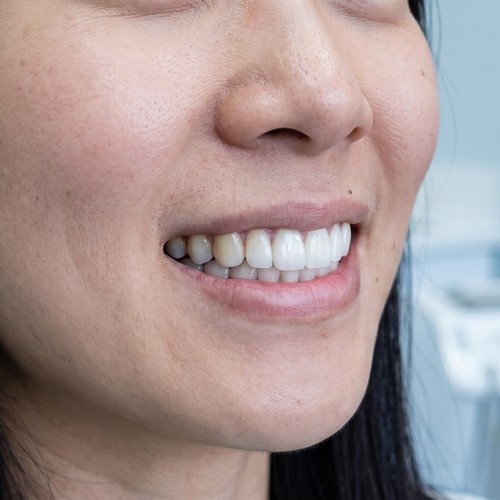
What Patients Ask Before Getting Veneers: Stains, Nightguards, and Whitening
Do veneers stain? Do you need a nightguard? Learn the facts about porcelain veneers and whitening. Schedule your consultation at Long Beach Family Dentist now!
Read More
Scaling and root planing, also known as non-surgical or conventional therapy, is a chair-side dental procedure that involves the removal of the accumulated dental plaque and mineralized calculus (which is the mineralized form of the plaque) followed by the smoothing and planing of the root surfaces which includes removing the outer surface of the root of the tooth that has calculus, toxins, and bacteria on it. They are non-surgical treatment procedures that are used when the gums need healing after suffering from a destructive disease. Dentists mostly recommend patients that scaling and root planing be done once every six months. They are collectively referred to as deep cleaning. They are more in-depth than regular teeth cleaning that we get done.
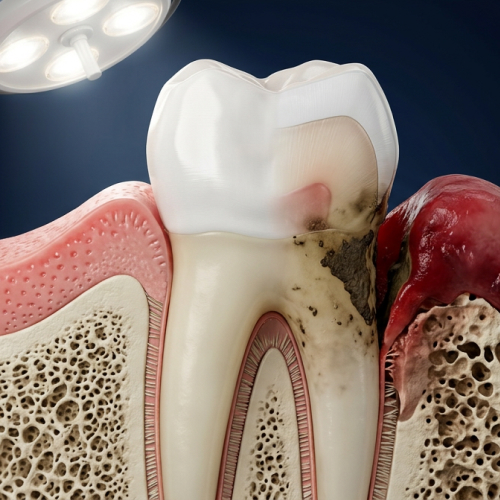
Reasons To Get Scaling And Root Planing Done Dentists recommend patients get scaling and root planing done every six to eight months if the patient is suffering from chronic gum diseases. These dental procedures help treat and stop the harmful effects of the disease and help to keep the oral cavity healthy. Such chronic diseases cause the dental plaque bacteria that cause the gums to separate or pull away from the tooth surface. This leads to the formation of large and deep pockets that leads to the further accumulation of the bacteria in the pockets. Due to this, the plaque gathers there that is difficult to remove by regular tooth brushing. So the reasons why scaling and root planing are needed are as follows:
-Bone and supporting tissue loss -Exfoliation of the teeth -Loosening of the teeth -Tooth mobility -Poor oral hygiene -Smoking -Aging -Hormonal changes -Poor nutrition -Family history -Systemic conditions -Bleeding and fragile gums -Inflammation and redness of gums (gingivitis) -Change in bite -Bad breath (halitosis)
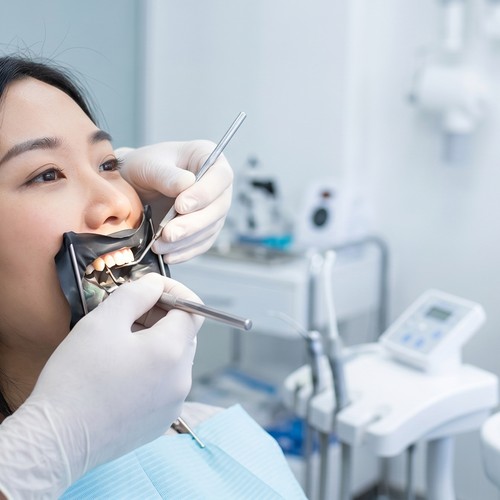
The Procedure Of Scaling And Root Planing The steps that are included in scaling and root planing that lead to a comfortable experience are as follows: -The dental procedures that are scaling and root planing can be done at the dental office or at the outpatient department. -The number of appointments that the patient schedules is dependent on the condition of the patient teeth and how severe or mild it is. -If the patient has very severe periodontal disease with a higher grade of tooth mobility, then local anesthesia is used. This is done to lessen the discomfort and the pain of the patient. If a severe condition is not present, then local anesthesia is not required. -From both the procedures, scaling is done first. Depending on the financial status of the patient, the scaling can be manual scaling or ultra-scaling, but nowadays, ultra-scaling is considered the best option available as it is easier to operate for the dental professional and is convenient for the patient. -In scaling, the dental professional uses a scaler with a pointed tip to scrape off the plaque that is present above the surface of the gums. This is known as supra-gingival plaque. -The plaque present below the gums is removed by the subgingival scaler or the curette. -Next, is the root planing. In this procedure, the plaque accumulated under the gums is removed. For this, a scaling tool that smoothes out the root surfaces is used. -By root planning, the plaque accumulated between the tooth and gums is removed that is present in deep periodontal or gingival pockets. This smoothing helps your gums to reattach to your teeth. -The dentist may also recommend additional treatment depending on the health of the patient’s teeth and gums. The dentist may use antimicrobial agents in the patient’s mouth or prescribe oral antibiotics for them to take for several days to help them heal faster. -The dentist may also perform a process called host modulation in which additional medication is administered directly into the patient’s gums to help correct the negative effects of long-term periodontitis or reduce the chances of infection following the procedure. -Lastly, the dentist also recommends full mouth disinfection. This is done by the use of 0.2 percent chlorhexidine mouthwashes.
Benefits Of Scaling And Root Planing There are many benefits of scaling and root planing. They are as follows: -Having a brighter and whiter smile: When a person does not properly brush, over time, plaque and even calculus may accumulate on the tooth surface and will make the teeth appear yellow. Professional scaling and root planing remove all hardened calculus before the teeth are carefully polished, lifting some surface stains. -Avoiding bad breath: By performing these procedures, the food particles trapped in between the tooth surfaces are removed, which are the sole causes of bad breath, also known as halitosis. -Better gum health: The accumulated plaque has disease-causing bacteria that are removed if scaling is done regularly, thus decreasing the risk of developing gum disease. -Protect your general health: Gum disease has been linked to many serious health conditions, including diabetes, heart disease, and even dementia and certain cancers. Professional scaling and root planing is an effortless way to reduce the risk. -Preventative care is cheaper: Over time, it is far cheaper to prevent dental disease than to treat it, and attending regular hygiene appointments helps to reduce dental bills.
FAQs -How is scaling and root planing done? In scaling and root planing, the accumulated plaque and calcified mass present on the tooth surface and below the gum line is scraped away. This procedure is done by a handheld scraper or by an ultrasonic instrument that uses vibrations to remove the plaque. -Is scaling and root planing painful? No, the procedure is not painful. The patient will experience some discomfort upon completion but the actual process can be completed with the administration of a local anesthetic to the soft tissue to minimize any unpleasant feelings during the procedure. -How often do you need scaling and root planing? Most periodontists recommend scaling and root planing twice a year or more, depending on the severity of your gum disease. In fact, some patients are seen every 3 to 4 months.
Fresh news from the dental world





Mon 8AM - 5PM
Tue 8AM - 5PM
Wed-Thu 8AM - 5PM
Fri 8AM - 5PM
Sat 9AM - 3PM
Sun Closed
Check out what our patients are saying in Long Beach, CA...


“Answers any questions...”
I been a patient here for over twelve years. Andrea greeted me and got my folder set up. Toni is very friendly and answers any questions you have promptly, when I always come in she greets you with a smile and makes your appointment enjoyable. Today Jovani and Dr. Joan made this experience great. I recommend this dentist for new patients.

“Clean and friendly...”
Very clean and friendly crew. I really enjoyed myself.

“A positive experience...”
Very clean and organized office! Entire staff was pleasant and friendly, and seems interested in ensuring I had a positive experience. Will definitely return! Affordable rates.

“My favorite dentist...”
The service here is amazing and they make you feel comfortable. I'm one of those people that hates to go to the dentist and the dentists that I went to in the past were not that great with service. Overall I found my favorite dentist service now at Long Beach Family Dentist.
“Answers any questions...”
I been a patient here for over twelve years. Andrea greeted me and got my folder set up. Toni is very friendly and answers any questions you have promptly, when I always come in she greets you with a smile and makes your appointment enjoyable. Today Jovani and Dr. Joan made this experience great. I recommend this dentist for new patients.
“Clean and friendly...”
Very clean and friendly crew. I really enjoyed myself.
Check out our accreditations, sources, and relationships in the wide world of dentistry...


Check us out and follow our Long Beach, CA practice on social media...