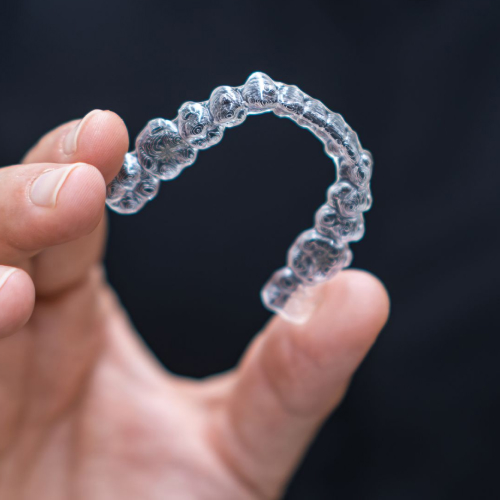
Why Your Invisalign Trays Aren't Fitting — And What to Do About It
Invisalign trays not fitting right in Long Beach? Learn why gaps happen, what tracking means, and when refinements are needed. Get answers from our dental team.
Read More
Getting dentures is often described as the finish line. The uncomfortable teeth are gone, the smile looks better, and chewing feels possible again. It is easy to assume that once dentures are in place, regular dental visits are no longer necessary. After all, there are no natural teeth left to check for cavities.
In reality, dentures are not the end of dental care. They mark the start of a different phase of it.
Your mouth continues to change over time, even with dentures. The gums, jawbone, and soft tissues underneath dentures are living, shifting structures. Without routine check ups, small issues can quietly grow into painful problems that affect how your dentures fit, how comfortable they feel, and how healthy your mouth stays long term.
At Long Beach Family Dentist, denture check ups are about prevention, comfort, and keeping your smile working the way it should for years to come. Whether you wear full or partial dentures, these visits are an important part of protecting your oral health.
One of the most common misconceptions is that dentures eliminate dental problems. While dentures replace missing teeth, they do not replace the need for professional care.
Your gums and jawbone naturally change over time. After teeth are removed, the jawbone gradually shrinks. This process happens slowly, which makes it easy to overlook. As the bone changes shape, dentures that once fit well may begin to loosen, rub, or shift when you eat or speak. This can lead to sore spots, irritation, and difficulty chewing.
Regular dental check ups allow your dentist to monitor these changes before they become uncomfortable or noticeable. A slight adjustment early on can prevent months of irritation later.
Oral health concerns can also develop beneath dentures. Gum infections, inflammation, fungal infections like denture stomatitis, and sores can occur without obvious symptoms at first. Many people assume discomfort is just part of wearing dentures and delay care until pain becomes hard to ignore. Routine visits help catch these issues early, when treatment is simpler and more comfortable.
Check ups also play an important role in oral cancer screening. Dentures do not protect against oral cancer. In fact, changes under dentures can be harder to notice on your own. Your dentist looks for subtle signs that most people would miss, making these exams an important part of overall health care.
Even partial denture wearers need regular check ups. Natural teeth that support partial dentures are under extra stress and can be more vulnerable to decay or gum disease. Maintaining those teeth is essential for the stability of the denture itself.
Dental check ups with dentures are not about finding problems. They are about keeping small changes from turning into big ones.
A denture check up is more detailed than many patients expect. It is not just a quick look at the appliance itself. Your dentist is evaluating how your dentures, gums, and jaw are working together.
One of the first things checked is the fit of the dentures. Your dentist will look for movement, looseness, or pressure points that could cause irritation. Areas of redness, swelling, or tenderness on the gums often point to subtle fit issues. Even if the dentures feel fine to you, these early signs can signal problems developing underneath.
Your gums and soft tissues are carefully examined. Healthy gums should look pink and firm, not inflamed or shiny. Your dentist will look for sores, signs of infection, or fungal buildup that can develop when dentures are worn for long periods, especially overnight.
The condition of the dentures themselves is also evaluated. Dentures can wear down over time, just like natural teeth. Cracks, worn biting surfaces, or weakened clasps on partial dentures affect both comfort and chewing ability. Small repairs made early can extend the life of your dentures and help you avoid full replacements sooner than necessary.
Your bite is another key focus. Changes in the jawbone can alter how your upper and lower dentures meet. An uneven bite can strain the jaw muscles, contribute to headaches, or make chewing less effective. Adjusting the bite helps maintain balance and comfort.
During your visit, your dentist may also talk with you about daily denture care. Cleaning habits, overnight storage, and adhesive use all affect how your dentures perform and how healthy your mouth remains. These conversations often reveal minor habits that can be improved to prevent irritation or odor.
Finally, a full oral cancer screening is performed. This includes checking the tongue, cheeks, floor of the mouth, throat, and gums for any unusual changes. These screenings are quick, painless, and extremely important, especially for denture wearers who may not regularly see all areas of their mouth.
A denture check up is a full-mouth health evaluation, not just a denture inspection.
Most denture wearers benefit from dental check ups every six months, just like patients with natural teeth. However, the ideal schedule can vary depending on your oral health, the type of dentures you have, and how long you have been wearing them.
If you are new to dentures, your dentist may recommend more frequent visits during the first year. This allows adjustments as your mouth adapts and ensures that pressure points do not turn into chronic sore areas.
Long-term denture wearers who have stable oral health may maintain a routine six-month schedule. These regular visits help monitor gradual jawbone changes and keep dentures fitting well over time.
Some patients may need to come in more often. Conditions like diabetes, dry mouth, or a history of gum disease can increase the risk of oral infections. Smokers may also benefit from more frequent check ups due to a higher risk of oral health complications.
It is also important to schedule an appointment as soon as you notice changes between visits. Pain, looseness, clicking, difficulty chewing, persistent sores, or unusual odors are not normal parts of wearing dentures. These signs often mean something needs adjustment or treatment.
Waiting too long can allow minor fit issues to worsen. What could have been fixed with a simple reline or adjustment may eventually require more extensive repairs or even new dentures.
Regular check ups help keep dentures comfortable, functional, and supportive of your long-term oral health.
Denture wearers who keep up with regular dental visits often enjoy better comfort and fewer surprises. Small adjustments made over time help dentures feel more natural and stable, making everyday activities like eating and speaking easier.
Consistent check ups also support overall health. Oral infections can impact systemic health, particularly in older adults or those with chronic conditions. Keeping the mouth healthy reduces these risks and supports overall well-being.
Financially, routine care often saves money. Catching wear or fit issues early can extend the life of your dentures and help you avoid emergency visits or early replacements.
Perhaps most importantly, regular visits give you confidence. Knowing that your dentures fit well and your mouth is healthy allows you to smile, eat, and interact without worry.
Dentures are an important investment in your health, comfort, and quality of life. Like any investment, they require maintenance.
Dental check ups with dentures are not about finding fault or creating extra appointments. They are about protecting what you already have and ensuring your dentures continue to support you as intended.
At Long Beach Family Dentist, we take a thoughtful, thorough approach to denture care. Our goal is to help you stay comfortable, confident, and informed at every stage.
If you wear dentures or are noticing changes in how they fit or feel, now is a good time to check in.
Fresh news from the dental world






Mon 8AM - 5PM
Tue 8AM - 5PM
Wed-Thu 8AM - 5PM
Fri 8AM - 5PM
Sat 9AM - 3PM
Sun Closed
Check out what our patients are saying in Long Beach, CA...


“My favorite dentist...”
The service here is amazing and they make you feel comfortable. I'm one of those people that hates to go to the dentist and the dentists that I went to in the past were not that great with service. Overall I found my favorite dentist service now at Long Beach Family Dentist.

“Clean and friendly...”
Very clean and friendly crew. I really enjoyed myself.

“Answers any questions...”
I been a patient here for over twelve years. Andrea greeted me and got my folder set up. Toni is very friendly and answers any questions you have promptly, when I always come in she greets you with a smile and makes your appointment enjoyable. Today Jovani and Dr. Joan made this experience great. I recommend this dentist for new patients.

“A positive experience...”
Very clean and organized office! Entire staff was pleasant and friendly, and seems interested in ensuring I had a positive experience. Will definitely return! Affordable rates.
“My favorite dentist...”
The service here is amazing and they make you feel comfortable. I'm one of those people that hates to go to the dentist and the dentists that I went to in the past were not that great with service. Overall I found my favorite dentist service now at Long Beach Family Dentist.
“Clean and friendly...”
Very clean and friendly crew. I really enjoyed myself.
Check out our accreditations, sources, and relationships in the wide world of dentistry...


Check us out and follow our Long Beach, CA practice on social media...