What Patients Ask Before Getting Veneers: Stains, Nightguards, and Whitening
Do veneers stain? Do you need a nightguard? Learn the facts about porcelain veneers and whitening. Schedule your consultation at Long Beach Family Dentist now!
Read More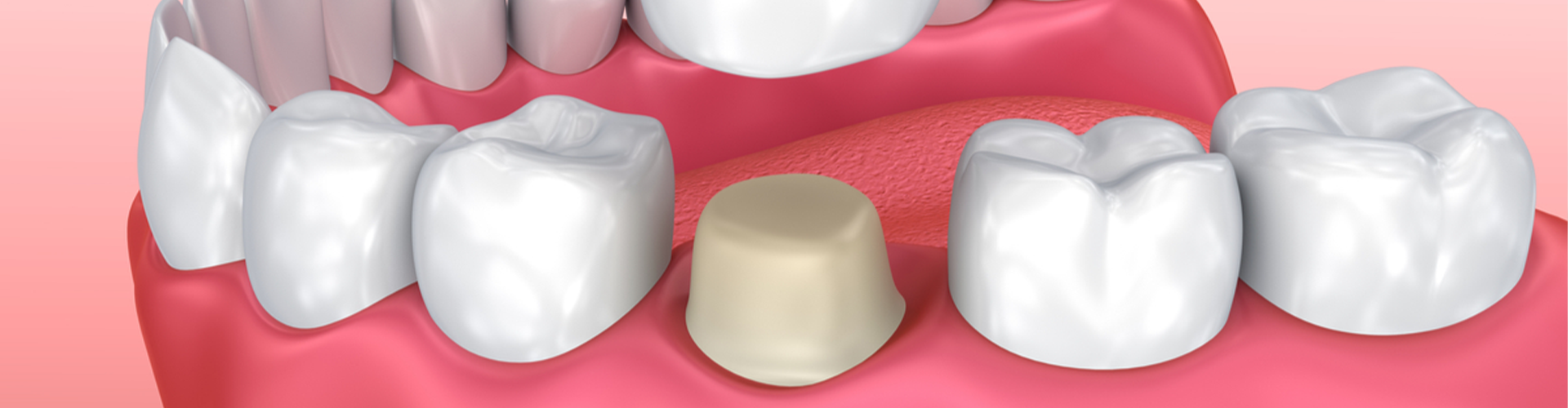
A dental crown is essentially a prosthetic cap cemented over a damaged tooth to restore appearance and functionality. A porcelain crown is a type of dental crown which is considered to be one of the most aesthetically pleasing types of dental crowns due to its translucent color. Because of this translucent color, porcelain crowns are most commonly used for front tooth restoration. Types of dental crowns Dental crowns are made for many different purposes depending on the patient's needs and affordability. Many factors are to be considered before getting prepared to get a dental crown: Based on materials: 1. All-metal crowns: The crowns are made entirely of metal-base alloys. Instead of pure metals, a blend of metals or alloys is used, including gold, palladium, nickel, and chromium. They are the strongest crowns available. · They do not chip, fracture, or deform easily · They do not break the teeth they bite against · They are also resistant to attrition, abrasion, and erosion 2. Full porcelain crowns: Full porcelain crowns are dental prostheses entirely made of ceramic materials. They are natural-looking materials which are the better option, considering aesthetic concerns. Porcelain crowns are made in two ways, in the dental laboratory or by CAD/CAM machine. 3. Porcelain-fused-to-metal crowns: Porcelain-fused-to-metal (PFM) crowns are made of two types of materials. The base is made of metal alloys that are cemented to the portion of the permanent tooth present. The second material is the porcelain that is layered on top of the base metal to give the tooth a more natural look. 4. Stainless steel crowns: Stainless steel crowns are used as a temporary requirement in adults to cover a filled tooth until a permanent crown is placed. These crowns are usually used in pediatric dentistry, as they are less costly and take only a few dental visits. They are placed over a prepared primary tooth and are shed along with it. 5. Full resin crowns: All-Resin crowns, also called 'composite resin crowns,' are entirely made of resin materials. Based on the surface area: 1. Half-crowns: They are the dental crowns made to replace only half of the patient's tooth. 2. Full-unit crown: It is also known as a traditional crown. They replace a whole tooth of the patient. The dentist cleans out the tooth and reshapes the base to which the full-unit crown is placed. 3. 3/4 crown: It is also known as an onlay that only replaces that part that is decayed or damaged. The tooth is reshaped from the damaged part for it to provide a foundation for the crown.
Pros and cons of porcelain crowns Considering any kind of dental crown, every dental prosthesis has its advantages as well as disadvantages. They are as follows: Advantages of porcelain crowns Today, porcelain crowns are considered the most aesthetically pleasing crown that a tooth can get. Pure porcelain is the only crown that gives the desired translucent look to the tooth, their color is influenced by the tooth under them. · Transparent, aesthetically appealing, just like a natural tooth. · Metal-free, this means people are unlikely to have allergic reactions. · Highly biocompatible. · Reduced sensitivity. · Alignment and form correction is possible. · Ideally suitable for patients who have reduced space inside their mouth. Disadvantages of porcelain crowns The major drawback of using full porcelain crowns for restoring the front tooth is that the expertise required to place them is very challenging. · Preparation might be complicated and could take a bit longer time. · Comparatively expensive. · Less durable than other types and vulnerable to breaking and cracking. · Due to the breaking and cracking vulnerability, full porcelain crowns are usually not recommended for restoring a back tooth. Procedure for getting a full porcelain crown The procedure for getting a porcelain crown is the same as any other dental crown. Usually, two appointments with the dentist are required for getting a porcelain crown. They are the following: Stage 1 (preparation and examination of the tooth) During the first visit, the dentist examines the tooth that will be receiving the porcelain crown. X-rays are performed to look for any kind of infection. If present, the dentist will have to do a root canal before proceeding forward with the procedure. The tooth is prepared by filing down the top and sides of the tooth, which depends on the tooth condition or the material used. If the tooth is severely damaged, the whole tooth is removed, and a small 'build-up' is prepared to which the crown is cemented. After this, a paste is applied to get an impression of the tooth, which is then sent to the laboratory for about three weeks. During this time, the patient is recommended to wear a temporary crown. Stage 2 (placement of the permanent crown) During this visit, the temporary crown is removed, and the permanent one is placed after matching the color and comfort. Local anesthetic is used for it, and it is cemented into place. After the desired fitting is obtained, the crown is firmly fixed with the help of dental cement. Sometimes, porcelain crowns are also prepared on the same day if the materials are available at the dentist’s office. A period of two to three weeks is required for the crown to be prepared.
To conclude: Porcelain crowns are preferred to be used in the restoration of the front teeth since porcelain crowns are aesthetically pleasing, are translucent in color, and reduce sensitivity. But the procedure in its preparation is complicated and expensive. FAQs Q1. Is a porcelain crown good? Porcelain crowns provide the best and most natural look. They match the adjacent surrounding teeth in shape, size, and color. They are the best option for front teeth restorations available to patients. They are also biocompatible, meaning no metal is used, so they are toxic-free. Q2. Do porcelain crowns stain? Some porcelains match perfectly under fluorescent light but look different in sunlight or other types of light. But high-quality bonding cement will not change color, and curing will not cause your crown color to look different from your natural teeth. If the crown is damaged, the tooth beneath may become infected or discolored due to anything leaked into and trapped beneath the crown. This is likely the case if a crown's yellowed or stained appearance is not solved by brushing. The good news is that although coffee stains may display on the surface of the porcelain crown, stains do not penetrate the surface of porcelain unless the crown is damaged. With the majority of stains, there is no lasting damage to the crown itself, and the stain can be removed by a professional cleaning. Q3. How long do porcelain crowns last? Some can last 25 to 30 years if patients take great care of them. Porcelain crowns specifically last anywhere from 5 to 15 years. The longevity of a crown will depend on many factors, including the wear and tear placed on the crown, a patient's dental habits, and maintenance of the crown with regular dental check-ups.
Fresh news from the dental world




Mon 8AM - 5PM
Tue 8AM - 5PM
Wed-Thu 8AM - 5PM
Fri 8AM - 5PM
Sat 9AM - 3PM
Sun Closed
Check out what our patients are saying in Long Beach, CA...


“Answers any questions...”
I been a patient here for over twelve years. Andrea greeted me and got my folder set up. Toni is very friendly and answers any questions you have promptly, when I always come in she greets you with a smile and makes your appointment enjoyable. Today Jovani and Dr. Joan made this experience great. I recommend this dentist for new patients.

“Clean and friendly...”
Very clean and friendly crew. I really enjoyed myself.

“A positive experience...”
Very clean and organized office! Entire staff was pleasant and friendly, and seems interested in ensuring I had a positive experience. Will definitely return! Affordable rates.

“My favorite dentist...”
The service here is amazing and they make you feel comfortable. I'm one of those people that hates to go to the dentist and the dentists that I went to in the past were not that great with service. Overall I found my favorite dentist service now at Long Beach Family Dentist.
“Answers any questions...”
I been a patient here for over twelve years. Andrea greeted me and got my folder set up. Toni is very friendly and answers any questions you have promptly, when I always come in she greets you with a smile and makes your appointment enjoyable. Today Jovani and Dr. Joan made this experience great. I recommend this dentist for new patients.
“Clean and friendly...”
Very clean and friendly crew. I really enjoyed myself.
Check out our accreditations, sources, and relationships in the wide world of dentistry...


Check us out and follow our Long Beach, CA practice on social media...