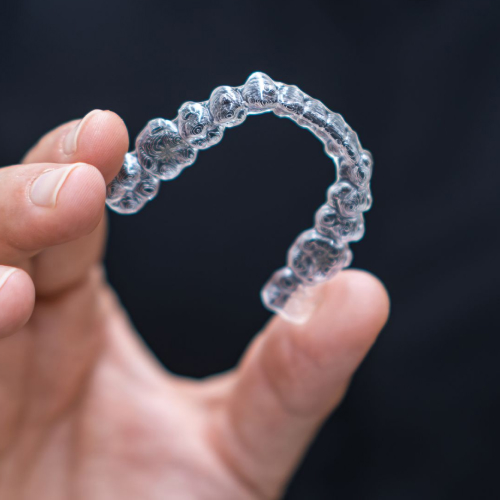
Why Your Invisalign Trays Aren't Fitting — And What to Do About It
Invisalign trays not fitting right in Long Beach? Learn why gaps happen, what tracking means, and when refinements are needed. Get answers from our dental team.
Read More
Pediatric dentistry is a branch of the dentistry field that changes techniques and procedures from general dentistry and provides primary and inclusive as well as secondary, preventive, and restorative oral health care for infants through their teenage years. Difference Between The Pedodontist And General Dentist Even though pediatric dentists and general dentists treat dental conditions, be it simple carious lesions to severe cases of periodontal infections, these two dentists are very different in perspectives. The general dentists are the ones that treat permanent adult teeth and other adult dental conditions, while the pedodontists are the ones that treat deciduous children’s teeth. In addition, children need to be treated differently and spoken to in a way they understand, and they ultimately need to feel comfortable in order to cooperate and receive treatment. For all this, it requires a high level of patience in which the general dentist is not trained. Therefore, it is important to have children treated by health professionals that are trained to specifically care for kids. The key differences between the pedodontist and the general dentist are the following: 1) Education and Training Pedodontist: They need to have at least four years of experience that is an undergraduate college education. This is followed by four years of dental school with an additional two years of education that is mainly focused only on pediatric training. In these additional years, they are taught only about the primary teeth (baby teeth), mixed dentition, child development, behavior, psychology, pharmacology, special needs patient care, and pediatric sedation. Children require a calm and friendly demeanor and communication techniques so that they can understand what is being done and how to care for their teeth. Furthermore, pediatric dentists tend to treat patients up to 18 years of age, but they may also treat adults with special needs. General Dentist: Required to have four years of undergraduate college education plus four years of dental school, followed by a one-year residency. The dentist is not required to go through additional training (beyond dental school and a residency) to treat patients. 2) Orthodontic Pre-Assessment Pediatric Dentistry: Pedodontists include orthodontic pre-assessment in their training, and they may be able to perform minor restorative treatment. General Dentistry: General dentists always refer the patient to orthodontists but can give them clear aligners. 3) Office Environment Pediatric Dentists: They tend to have an inviting, fun, and playful atmosphere to help kids feel more comforted. Distractions such as video games, television, and books can be offered to keep kids' minds off possible anxiety. General Dentists: They may not necessarily have the most kid-friendly environment since their patients are adults. 4) Dental Equipment Pediatric Dentist: They need to have dental materials that fit in little mouths and are small enough to maneuver around baby teeth. General Dentist: They may not be stocked with pedodontist dental tools, making treatment harder to complete and possibly uncomfortable for the child. Qualities Of A Pedodontist 1. Concern for children is the number one priority of the dentist. 2. The dentist should be patient with younger patients and make them comfortable during the oral examination. 3. If the child is uncooperative, the dentist should have an authoritative voice so that they can follow the instructions properly. 4. They should be compassionate to the younger patients to soothe away their fears. 5. Lastly, they should be kind and approachable. Age At A First Dental Visit Parents are advised to bring in their child for their first dental visit when they turn one or when the first tooth erupts, but not later than six years. The sooner a child starts getting their regular dental check-ups, the better will be the health of their oral cavities throughout their lives. A visit to the children's dentist ahead of time helps root out causes of tooth cavities, decay, and other health issues before they get out of hand. Children with healthier teeth chew better, have a proper bite, and speak correctly. Reasons For An Early First Dental Visit Apart from the general first visit, there are several reasons why parents tend to bring their children for an early visit to the children's dentist. They are the following: -The first visit may be due to the delayed eruption of the first tooth or the late exfoliation of the teeth after a certain age has passed. -The child's bite is uneven, leading to a misaligned tooth. -Development of cavities beneath the gums and the roots of the primary teeth. -Pain followed by dental caries or inflammation due to any trauma or injury -Loss of more than one tooth caused by an injury or accident. FAQs What is the difference between a general dentist and a pediatric dentist? General dentists are the ones that treat only the adult teeth and adult dental conditions, while on the other hand, pedodontists treat children’s teeth. Is pediatric dentistry necessary? Maintenance is a necessity for the overall health of the patient. Like how the systemic check-up is done from a very young age, children should be taken to the pedodontist at a very young age, even before they get their milk teeth. At what age should a child go to the dentist for the first time? The first dental visit is recommended by 12 months of age or within 6 months of the first tooth coming in. The first visit often lasts 30 to 45 minutes. Depending on your child's age, the visit may include a full exam of the teeth, jaws, bite, gums, and oral tissues to check growth and development.
Fresh news from the dental world







Mon 8AM - 5PM
Tue 8AM - 5PM
Wed-Thu 8AM - 5PM
Fri 8AM - 5PM
Sat 9AM - 3PM
Sun Closed
Check out what our patients are saying in Long Beach, CA...


“My favorite dentist...”
The service here is amazing and they make you feel comfortable. I'm one of those people that hates to go to the dentist and the dentists that I went to in the past were not that great with service. Overall I found my favorite dentist service now at Long Beach Family Dentist.

“Clean and friendly...”
Very clean and friendly crew. I really enjoyed myself.

“Answers any questions...”
I been a patient here for over twelve years. Andrea greeted me and got my folder set up. Toni is very friendly and answers any questions you have promptly, when I always come in she greets you with a smile and makes your appointment enjoyable. Today Jovani and Dr. Joan made this experience great. I recommend this dentist for new patients.

“A positive experience...”
Very clean and organized office! Entire staff was pleasant and friendly, and seems interested in ensuring I had a positive experience. Will definitely return! Affordable rates.
“My favorite dentist...”
The service here is amazing and they make you feel comfortable. I'm one of those people that hates to go to the dentist and the dentists that I went to in the past were not that great with service. Overall I found my favorite dentist service now at Long Beach Family Dentist.
“Clean and friendly...”
Very clean and friendly crew. I really enjoyed myself.
Check out our accreditations, sources, and relationships in the wide world of dentistry...


Check us out and follow our Long Beach, CA practice on social media...