What Patients Ask Before Getting Veneers: Stains, Nightguards, and Whitening
Do veneers stain? Do you need a nightguard? Learn the facts about porcelain veneers and whitening. Schedule your consultation at Long Beach Family Dentist now!
Read More
Using the right mouthwash with your regular oral hygiene habits can do a lot to ensure you have healthy teeth and a beautiful smile. As great as it is to brush and floss your teeth every day, they’re not the only things that keep your teeth bright and healthy. Even the best brusher and flosser can only reach about a quarter of the mouth’s surface. The majority that’s left untouched still collects oral bacteria. To cover all of your bases, you should follow up your regular oral hygiene routine with some mouthwash to help remove the stragglers. Does mouthwash work? This depends on which type of mouth rinse you’re using and what you hope to accomplish with it. There are two main types of mouthwash: cosmetic and therapeutic. Cosmetic Mouthwash Cosmetic rinses aim only to freshen up your bad breath and leave a pleasant taste in your mouth. They’re popular for clearing up morning breath, but they don’t work to cause the root cause: oral bacteria. Still, they can be helpful if you have an important meeting or when spending time with friends. Therapeutic Mouthwash These mouthwashes are the ones you want to get if you’re hoping to give your dental hygiene a boost and keep your oral health on track. Depending on which one you use, they can help prevent cavities, gum disease, halitosis (chronic bad breath), and other dental problems. Some can even whiten your teeth. Most therapeutic rinses work by using at least some of the following ingredients: Fluoride: helps keep dental enamel healthy and remineralizes teeth to combat and even reverse first-stage tooth decay Cetylpyridinium chloride: works to neutralize bad odors and kill oral bacteria Essential oils: peppermint, eucalyptus, and thyme have antibacterial and antifungal properties that can help control plaque and gingivitis while also helping freshen bad breath Chlorhexidine: like essential oils, this component helps fight dental plaque and make your breath smell nice Peroxide: lifts discoloration and staining from teeth to help whiten them, though it’s not as strong as a professional teeth whitening
"Magic mouthwash" is a type of therapeutic rinse often used to help with oral sores as a prescription medication. With additional ingredients like nystatin, hydrocortisone, and diphenhydramine, this rinse can help with inflammation, dry out the mouth, and fight fungal infections. It can help with sores and lesions caused by oral thrush, cancer treatment, viral and bacterial infection, and certain autoimmune diseases. Many mouth rinses have alcohol in them to help kill oral bacteria, but this can also dry out your mouth. Saliva is a crucial part of the mouth’s defense system against plaque and bacteria, and dry mouth can lead to frequent tooth decay and gingivitis. Mouthwash for dry mouth can also be beneficial for patients who smoke or have diabetes. Do’s and Don’ts of Mouthwash To keep your smile in excellent shape, you should use mouthwash twice a day along with your regular brushing and flossing routine. However, it may surprise you that there's a right and wrong way to gargle Listerine. To get the most out of your mouthwash, you should keep several things in mind. Brush and floss your teeth beforehand. If you use fluoride toothpaste, don’t immediately follow up with a mouth rinse. Otherwise, you’ll end up washing away the valuable fluoride your teeth are still absorbing. We recommend waiting at least 30 minutes before gargling with mouthwash. Many mouthwashes come with a small cup with easy measurements, but you should always look at the directions on the back of the bottle to know the right amount. Swish and gargle the mouth rinse for about 30 seconds before spitting into the sink, and do not swallow any. If you use fluoride mouthwash, you’ll want to wait an additional 30 minutes without eating or drinking anything, including water. Mouthwash Safety and Your Child Due to its alcohol and fluoride content, it’s not advised that anyone swallow their mouthwash in any significant amount. However, for children, this can be especially harmful. As good as Listerine and Act can be for their smiles, you shouldn’t have your child start using mouthwash until they are at least six years old. It’s not until this age that children can be trusted not to swallow their rinse, even accidentally. “How can I strengthen my child's teeth?” some parents ask. Even without mouthwash, you can still help your child get the fluoride their teeth need to stay healthy and protected against tooth decay and gingivitis. Here in Long Beach, our communal tap water is fluoridated, so keeping your child hydrated can do wonders for their dental health. Even more helpful is fluoride toothpaste, which gives your child’s teeth an extra boost. Infants two years old and under can have a smear-sized amount of fluoride toothpaste to strengthen their emerging teeth, but they can’t spit it out themselves. Parents should tilt their child’s head over a sink or washcloth and let the toothpaste dribble out on its own. Between three to six years old, your child can start brushing and flossing on their own. At this time, you can increase the amount of toothpaste they use to a pea-sized amount. Since your child is still at risk for accidentally swallowing some, our family dentists recommend supervising their brushing and flossing until they are seven or eight years old.
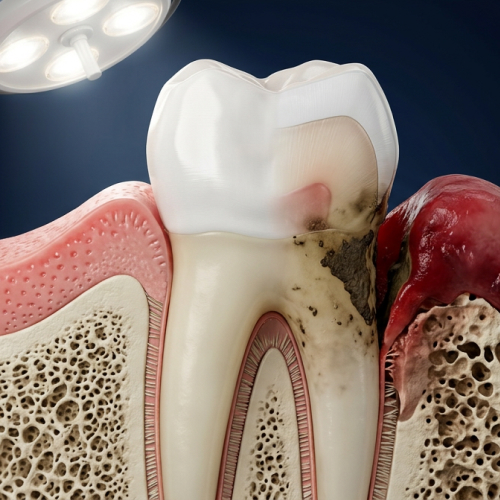
The Health Effects of Poor Oral Hygiene Even the best mouthwash isn’t invincible. While it can give your normal brushing and flossing a leg up, it can’t make up for poor dental hygiene habits. If plaque and bacteria are allowed to collect and build-up on your teeth and under the gums, they can quickly lead to tooth decay, infection, and gum disease. Tooth Decay and Cavities Dental decay first shows itself as white spots on your teeth’s enamel as plaque and bacteria weaken this protective surface. Without fluoride treatment to restore enamel’s defenses, the decay will eat away at the surface until it breaks through, creating a cavity. Common cavity symptoms include: Persistent toothache Discolored tooth spots Physical pit in the tooth’s surface Pain when biting down or chewing Tooth sensitivity to hot and cold Lingering sensitivity to sweets Halitosis, or chronic bad breath Can you make a cavity go away? Once a cavity develops, only a dentist can fix the damage with professional dental care. Small ones only need a dental filling, but more extensive ones may require a crown or root canal. In the most extreme cases, dental decay may have destroyed too much of the tooth's softer inner tissues, and even a root canal can't save it. The tooth must be removed to prevent oral bacteria and infection from spreading to the nearby teeth and gum tissues. Gingivitis and Gum Disease Plaque doesn’t just collect on the visible parts of your teeth. It can also slip under the gums, where it causes the soft tissues to become infected and inflamed in the first stage of gum disease: gingivitis. Gingivitis can set in with even just three days of missed flossing. If caught only in this earliest stage, you can reverse the harm done to your gums by removing the problem’s source: plaque and bacteria buildup. This usually takes about two weeks of excellent dental hygiene, but your gums can return to a healthy pink. However, once gum disease progresses into periodontitis, simple brushing and flossing won’t be enough. The damage oral bacteria and plaque cause to your gums will become permanent, and it won’t stay confined to the gums either. The jawbone and connective tissues supporting your teeth will be put under fire, causing your teeth to become loose and possibly fall out. Keeping your smile in great shape depends on recognizing gum disease as soon as it appears and responding as quickly as possible. What are some of the early warning signs of periodontal disease? Bright red gums Swollen and tender gums Gingival bleeding when brushing or flossing Halitosis Receding gums Can Dental Problems Cause Health Issues? Unfortunately, what happens in your mouth doesn't always stay in your mouth. The mouth is just one part of the interconnected whole that makes up our body, and what affects one can affect the rest. Patients with a history of severe dental problems are also at risk for general health problems down the road. Severe gum disease and cavities can cause oral bacteria to enter the bloodstream, where they can access the rest of your body. Without great oral hygiene habits or a healthy smile, you run the risk of developing one or more of the following conditions: Endocarditis Heart disease Stroke Pneumonia Diabetes Pregnancy complications Want more tips and advice to help you keep your dental health on track? Feel free to contact our Long Beach dental office at (562) 999-3602 today and schedule an appointment. Our skilled and caring dentists can make sure you’re doing your absolute best for your unique smile.
Fresh news from the dental world




Mon 8AM - 5PM
Tue 8AM - 5PM
Wed-Thu 8AM - 5PM
Fri 8AM - 5PM
Sat 9AM - 3PM
Sun Closed
Check out what our patients are saying in Long Beach, CA...


“Answers any questions...”
I been a patient here for over twelve years. Andrea greeted me and got my folder set up. Toni is very friendly and answers any questions you have promptly, when I always come in she greets you with a smile and makes your appointment enjoyable. Today Jovani and Dr. Joan made this experience great. I recommend this dentist for new patients.

“Clean and friendly...”
Very clean and friendly crew. I really enjoyed myself.

“A positive experience...”
Very clean and organized office! Entire staff was pleasant and friendly, and seems interested in ensuring I had a positive experience. Will definitely return! Affordable rates.

“My favorite dentist...”
The service here is amazing and they make you feel comfortable. I'm one of those people that hates to go to the dentist and the dentists that I went to in the past were not that great with service. Overall I found my favorite dentist service now at Long Beach Family Dentist.
“Answers any questions...”
I been a patient here for over twelve years. Andrea greeted me and got my folder set up. Toni is very friendly and answers any questions you have promptly, when I always come in she greets you with a smile and makes your appointment enjoyable. Today Jovani and Dr. Joan made this experience great. I recommend this dentist for new patients.
“Clean and friendly...”
Very clean and friendly crew. I really enjoyed myself.
Check out our accreditations, sources, and relationships in the wide world of dentistry...


Check us out and follow our Long Beach, CA practice on social media...