What Patients Ask Before Getting Veneers: Stains, Nightguards, and Whitening
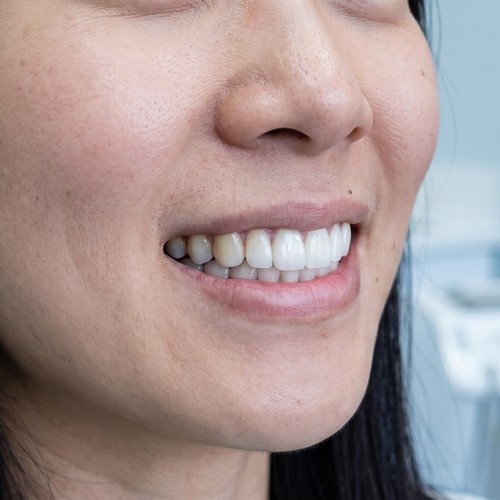
Do veneers stain? Do you need a nightguard? Learn the facts about porcelain veneers and whitening. Schedule your consultation at Long Beach Family Dentist now!
Read More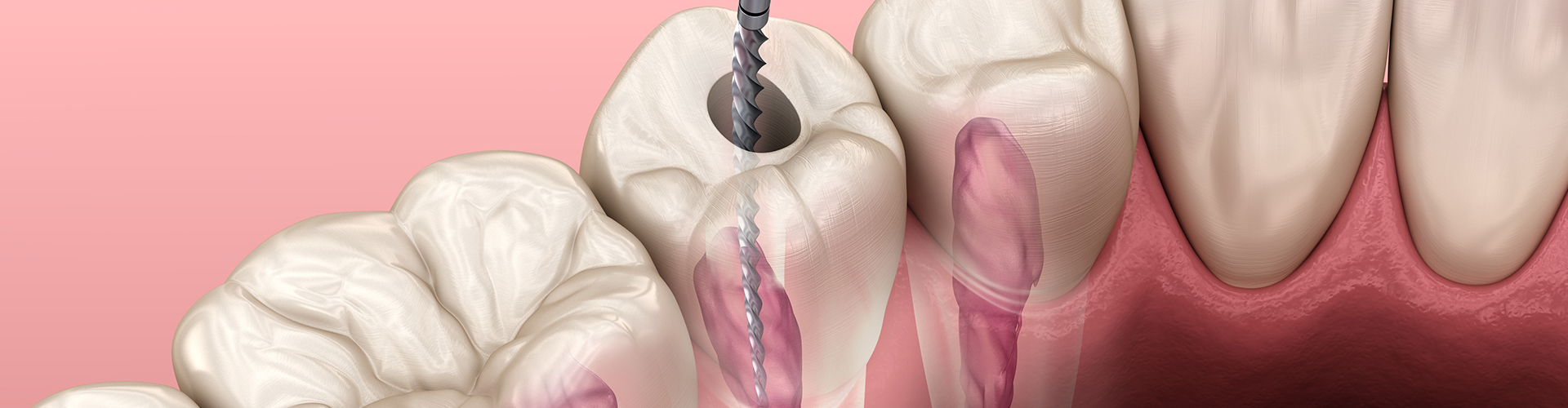
If you’ve just heard the words “You need a root canal,” your mind probably went in a few directions. Relief that there’s a fix. A little anxiety about the procedure. And for many people, the concern is about the cost. Root canals have a reputation for being pricey, but there’s more to the story than just a number.
At Long Beach Family Dentist, we believe patients deserve clear, honest conversations about their treatment options and what to expect financially. So, let’s break it down. No fluff, no pressure. Just a straightforward look at what makes up the cost of a root canal, why it varies, and what that cost typically includes.
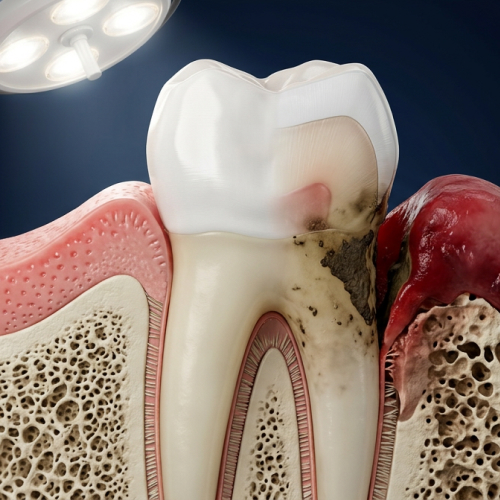
Root canals are not quick, surface-level procedures. They require time, precision, and specialized skills. When a tooth is infected or damaged deep in its core, your dentist isn’t just patching it up, they’re saving it.
Think of it like this: instead of pulling the tooth and dealing with the long-term consequences of a missing tooth (shifting teeth, chewing problems, and bone loss), a root canal preserves what you already have. That kind of care takes effort. Here’s what contributes to the price:
All in all, the price reflects the fact that root canals are meticulous procedures that preserve your natural tooth and help you avoid more invasive dental work in the future.
There’s no one-size-fits-all answer when it comes to root canal pricing. The cost depends on a few key details specific to your situation.
1. Tooth location: Front teeth (like incisors and canines) usually have one root, which makes them easier and quicker to treat. Molars, in the back of your mouth, often have three or more roots, and the more roots, the more complex the procedure. Root canals on molars tend to be more expensive as a result.
2. Severity of infection: An early-stage root canal is typically easier to treat than one that’s been left untreated for a long time. If an infection has spread, the tooth might require additional care or even two visits to fully clean and seal it. That adds time and materials to the overall cost.
3. Whether a crown is needed: Many teeth that undergo a root canal, especially molars, need a dental crown afterward to protect the structure and restore function. This is especially true if the tooth was already weak or had a large filling. The crown cost is separate but essential in most cases.
4. The provider’s expertise and equipment: An experienced dentist using modern tools might charge a bit more, but they also tend to work more efficiently and with greater precision, which can reduce complications and improve outcomes.
5. Insurance and payment options: Dental insurance can help lower the out-of-pocket expense for root canals. Coverage varies by plan, but it’s worth checking in with your provider to understand what’s covered and whether a preauthorization is needed. At Long Beach Family Dentist, we can help walk you through your benefits and payment options.
While the exact details can vary by clinic, a root canal typically includes a few core components. It’s not just about drilling and filling.
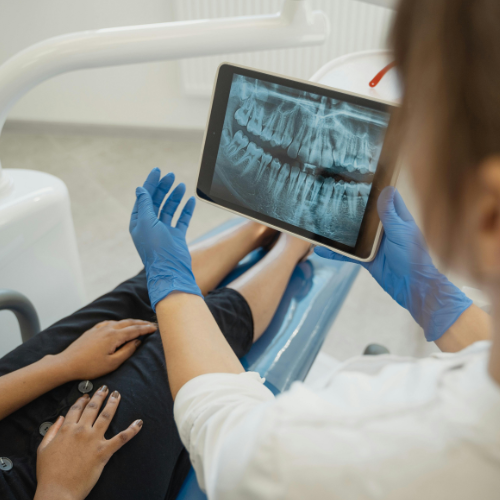
1. Examination and diagnostics: Before your dentist even touches the tooth, they need to know what they’re working with. That usually involves X-rays, sensitivity tests, and a clinical exam to determine the depth of the infection and whether a root canal is the right treatment.
2. The root canal procedure itself: This is the core of the cost. It includes numbing the area, sedation, accessing the pulp chamber, removing the infected tissue, cleaning and disinfecting the canals, and filling them with a biocompatible material. Each of these steps requires time and precision.
3. Temporary restoration (if needed): In some cases, your dentist may place a temporary filling while waiting for a crown to be made. This step protects your tooth in the meantime and ensures it stays sealed and clean.
4. Permanent filling or crown: After the root canal is done, the tooth needs to be sealed and strengthened. If the tooth structure is still strong, a permanent filling might be enough. In most cases, though, a custom crown is recommended. This part may or may not be included in the initial root canal quote, so it’s important to ask.
5. Follow-up visit: Some clinics include a follow-up appointment to make sure the tooth is healing well and that the final restoration is functioning properly. Others may charge separately for that visit.
Root canals may not be the cheapest dental procedure, but they’re often the most cost-effective way to preserve your natural smile. The alternative, extraction and tooth replacement, can end up costing significantly more over time, both financially and in terms of comfort and function.
If you’re dealing with tooth pain or have been told you might need a root canal, don’t put it off. The longer you wait, the more complicated and expensive it may become. We’re here to talk you through your options and help you understand what works best for your smile and your budget.
Fresh news from the dental world





Mon 8AM - 5PM
Tue 8AM - 5PM
Wed-Thu 8AM - 5PM
Fri 8AM - 5PM
Sat 9AM - 3PM
Sun Closed
Check out what our patients are saying in Long Beach, CA...


“Answers any questions...”
I been a patient here for over twelve years. Andrea greeted me and got my folder set up. Toni is very friendly and answers any questions you have promptly, when I always come in she greets you with a smile and makes your appointment enjoyable. Today Jovani and Dr. Joan made this experience great. I recommend this dentist for new patients.

“Clean and friendly...”
Very clean and friendly crew. I really enjoyed myself.

“A positive experience...”
Very clean and organized office! Entire staff was pleasant and friendly, and seems interested in ensuring I had a positive experience. Will definitely return! Affordable rates.

“My favorite dentist...”
The service here is amazing and they make you feel comfortable. I'm one of those people that hates to go to the dentist and the dentists that I went to in the past were not that great with service. Overall I found my favorite dentist service now at Long Beach Family Dentist.
“Answers any questions...”
I been a patient here for over twelve years. Andrea greeted me and got my folder set up. Toni is very friendly and answers any questions you have promptly, when I always come in she greets you with a smile and makes your appointment enjoyable. Today Jovani and Dr. Joan made this experience great. I recommend this dentist for new patients.
“Clean and friendly...”
Very clean and friendly crew. I really enjoyed myself.
Check out our accreditations, sources, and relationships in the wide world of dentistry...


Check us out and follow our Long Beach, CA practice on social media...