What Patients Ask Before Getting Veneers: Stains, Nightguards, and Whitening
Do veneers stain? Do you need a nightguard? Learn the facts about porcelain veneers and whitening. Schedule your consultation at Long Beach Family Dentist now!
Read More
A gum infection can be a painful and serious dental issue that requires prompt attention. If left untreated, it can lead to more severe health problems. In this blog, we'll explore how to identify a gum infection, effective treatments, and the expected healing time.
Identifying a gum infection early is crucial for effective treatment. Here are common signs to watch for:
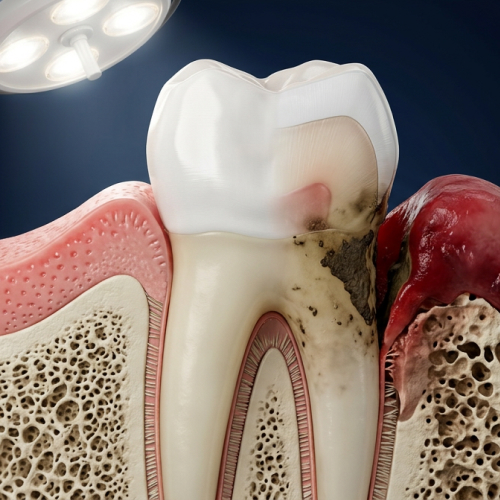
Swelling and Redness: Infected gums often appear red and swollen. This inflammation is your body’s natural response to infection, indicating that your immune system is working to combat the bacteria. The swelling may be localized around a single tooth or spread across your gums, making them tender and puffy.
Pain and Tenderness: Discomfort or pain in your gums, especially when chewing, can indicate an infection. This pain can range from mild to severe and might also be accompanied by sensitivity to hot or cold foods and drinks. If you experience consistent pain in your gums, it’s important to seek dental advice promptly.
Bleeding Gums: If your gums bleed easily during brushing or flossing, it may be a sign of infection. While occasional bleeding might result from brushing too hard, frequent bleeding is often a symptom of gum disease. It indicates that the gums are inflamed and weakened, making them more susceptible to injury.
Receding Gums: Infected gums may start to pull away from your teeth, creating pockets where bacteria can accumulate. This recession not only exposes the roots of your teeth but also increases the risk of further infection and tooth decay. Receding gums can also alter the appearance of your smile, making your teeth look longer.
Persistent Bad Breath: Chronic bad breath, also known as halitosis, can be a symptom of a bacterial infection in your gums. The bacteria produce sulfur compounds that result in unpleasant odors. If your bad breath persists despite regular brushing and flossing, it could be due to a gum infection.
Pus Between Teeth and Gums: The presence of pus is a clear sign of infection and requires immediate dental care. Pus, a thick fluid produced by the body in response to infection, indicates that your gums are fighting off a significant bacterial invasion. This condition is serious and often painful, requiring prompt professional treatment.
Loose Teeth: As the infection progresses, it can damage the tissues and bones that support your teeth, causing them to become loose. This can make eating difficult and might lead to tooth loss if not treated in time. Loose teeth are a severe symptom indicating advanced gum disease and necessitate urgent dental intervention.
Changes in Bite: An infection can affect the alignment of your teeth, leading to changes in your bite. You might notice that your teeth fit together differently when you bite down or chew. This change is due to the shifting of teeth caused by the weakening of the supporting structures around them.
Recognizing these symptoms early and seeking prompt dental care can prevent the progression of the infection and save your teeth and gums from further damage.
Treating a gum infection typically involves several steps, depending on the severity of the condition. A comprehensive approach ensures the infection is thoroughly addressed and reduces the risk of recurrence. Here are the primary steps involved in treating a gum infection:
Professional Cleaning: A deep cleaning procedure, such as scaling and root planing, is often the first step in treating a gum infection. Scaling removes plaque and tartar buildup from above and below the gumline. Root planing smooths out the roots of your teeth, helping the gums reattach to the tooth surface. This process not only removes the infection but also creates an environment less conducive to bacterial growth. In some cases, multiple cleaning sessions might be necessary to completely eliminate the buildup.
Antibiotics: Your dentist may prescribe antibiotics to combat the bacterial infection. These can be administered in various forms, including oral tablets, mouth rinses, or localized treatments directly applied to the infected area. Antibiotics help reduce the bacterial load in your gums, allowing your body’s natural defenses to take over and heal the infection. It's crucial to complete the entire course of antibiotics as prescribed, even if symptoms improve before finishing the medication.
Oral Rinse: Antibacterial mouthwashes can help reduce bacteria in your mouth and provide relief from symptoms. These rinses can be used daily as part of your oral hygiene routine or as directed by your dentist. In addition to killing bacteria, some medicated rinses can also reduce inflammation and soothe irritated gums. Your dentist may recommend specific brands or formulations tailored to your needs.
Good Oral Hygiene: Maintaining good oral hygiene is essential for preventing and treating gum infections. Brushing twice a day with a fluoride toothpaste helps remove plaque and prevent tartar buildup. Flossing daily removes food particles and bacteria from between your teeth and below the gumline, areas your toothbrush can't reach. Using an antibacterial mouthwash can provide an extra layer of protection by reducing the overall bacterial count in your mouth. Regularly replacing your toothbrush (every three to four months) ensures it remains effective in cleaning your teeth and gums.
Lifestyle Changes: Making certain lifestyle changes can support gum health and help prevent future infections. Avoiding tobacco products is one of the most significant changes you can make, as smoking and chewing tobacco weaken your immune system and make it harder for your gums to heal. Eating a balanced diet rich in vitamins and minerals, particularly vitamin C and calcium, strengthens your immune system and promotes healthy gums. Staying hydrated is also important, as saliva helps wash away food particles and bacteria.
Regular Dental Visits: Scheduling regular dental check-ups and cleanings is crucial for maintaining gum health and catching infections early. During these visits, your dentist can monitor the condition of your gums, provide professional cleanings, and offer personalized advice on improving your oral hygiene routine. Early detection and treatment of gum issues can prevent minor problems from becoming severe infections.
Home Remedies: While professional treatment is essential, some home remedies can help manage symptoms and support healing. Rinsing your mouth with warm salt water several times a day can reduce inflammation and promote healing. Using a soft-bristled toothbrush and gentle brushing techniques can prevent further irritation to your gums. Applying a cold compress to your face can alleviate pain and swelling.
Avoiding Stress: Reducing stress can also benefit your gum health. High stress levels can weaken your immune system, making it harder for your body to fight off infections. Incorporating stress-reducing activities into your daily routine, such as exercise, meditation, or hobbies, can improve your overall health and support your body's ability to heal.
By following these steps and working closely with your dentist, you can effectively treat a gum infection and maintain healthy gums. If you suspect you have a gum infection, don't delay in seeking professional care to ensure the best outcome for your oral health.
The healing time for a gum infection varies based on its severity and the treatment approach:
Mild Infections: With proper treatment, mild gum infections can start to improve within a few days. Complete healing may take one to two weeks.
Moderate to Severe Infections: More severe infections may take several weeks to fully heal. Consistent follow-up with your dentist is crucial.
Chronic Conditions: For ongoing issues like periodontitis, long-term treatment and maintenance may be necessary to manage the infection and prevent recurrence.
Gum infections are not only painful but can also lead to more serious dental and overall health problems if left untreated. Recognizing the symptoms early and seeking prompt treatment is essential for a speedy recovery. If you suspect you have a gum infection or need a dental check-up, don't wait—schedule an appointment with us today to ensure your gums and teeth remain healthy.
Fresh news from the dental world





Mon 8AM - 5PM
Tue 8AM - 5PM
Wed-Thu 8AM - 5PM
Fri 8AM - 5PM
Sat 9AM - 3PM
Sun Closed
Check out what our patients are saying in Long Beach, CA...


“Answers any questions...”
I been a patient here for over twelve years. Andrea greeted me and got my folder set up. Toni is very friendly and answers any questions you have promptly, when I always come in she greets you with a smile and makes your appointment enjoyable. Today Jovani and Dr. Joan made this experience great. I recommend this dentist for new patients.

“Clean and friendly...”
Very clean and friendly crew. I really enjoyed myself.

“A positive experience...”
Very clean and organized office! Entire staff was pleasant and friendly, and seems interested in ensuring I had a positive experience. Will definitely return! Affordable rates.

“My favorite dentist...”
The service here is amazing and they make you feel comfortable. I'm one of those people that hates to go to the dentist and the dentists that I went to in the past were not that great with service. Overall I found my favorite dentist service now at Long Beach Family Dentist.
“Answers any questions...”
I been a patient here for over twelve years. Andrea greeted me and got my folder set up. Toni is very friendly and answers any questions you have promptly, when I always come in she greets you with a smile and makes your appointment enjoyable. Today Jovani and Dr. Joan made this experience great. I recommend this dentist for new patients.
“Clean and friendly...”
Very clean and friendly crew. I really enjoyed myself.
Check out our accreditations, sources, and relationships in the wide world of dentistry...


Check us out and follow our Long Beach, CA practice on social media...