What Patients Ask Before Getting Veneers: Stains, Nightguards, and Whitening
Do veneers stain? Do you need a nightguard? Learn the facts about porcelain veneers and whitening. Schedule your consultation at Long Beach Family Dentist now!
Read More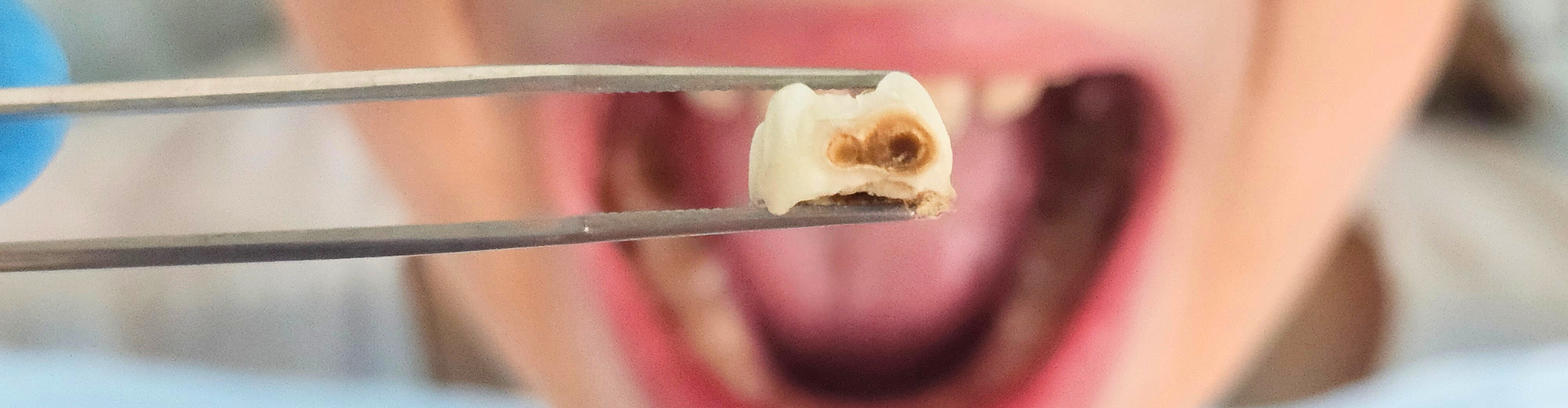
There is a moment many people can relate to. You bite into something cold, or maybe something sweet, and a tiny spark of discomfort shoots through one tooth. It is quick. It is small. It is easy to brush off. You tell yourself you are probably tired, or you chewed on the wrong side, or maybe the food was just too cold today. So you wait for the moment to pass, and it does. But then it returns a few days later.
Cavities rarely burst onto the scene with dramatic pain. Most of the time, they whisper long before they shout. They start with tiny changes and sensations that seem unimportant. Some people do not feel anything at all until the cavity becomes much larger. Others feel sensitivity that comes and goes and cannot quite pinpoint what is causing it. That unpredictability is one of the reasons many people delay getting checked, especially when the symptoms do not feel serious.
At Long Beach Family Dentist, we see every version of this story. People who come in at the first twinge. People who wait months hoping it goes away. People who show up holding their cheek after a sudden jolt of pain. That is why this blog dives into what cavity symptoms truly feel like in real life, not in textbook language, so you can recognize the signs early and protect your teeth before the discomfort becomes something more serious.
Once a cavity has moved past the earliest stage, the symptoms become more noticeable and more consistent. This is when most people begin to suspect something is wrong.
Temperature sensitivity that lingers: You might still feel discomfort from cold or sweet foods, but now the sensation lasts longer. Instead of disappearing the moment the food is gone, it may linger for several seconds.
Spontaneous sensitivity: The discomfort may appear even when you are not eating. A sip of cool water or even a gust of wind on a cold day can trigger it.
Occasional short bursts of toothache: These are not full-blown toothaches, but brief, random sensations that come and go. If your tooth is starting to hurt spontaneously, even for just a few seconds, it means the cavity has moved deeper.
Sensitivity to heat: Heat sensitivity is more concerning than cold sensitivity because it can signal that decay is getting closer to the nerve. It is important to get this checked quickly.
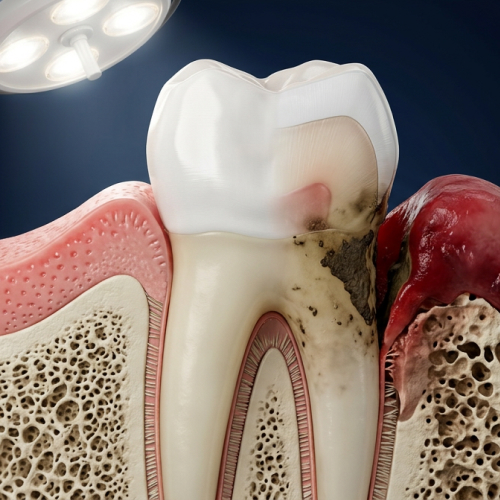
A visible hole or dark spot: At this stage, the cavity is likely visible. You might see a small opening, a dark shadow, or an irregular surface.
Pain when biting down: If pressure on the tooth creates discomfort, the decay may be invading the dentin layer, which is much more sensitive than enamel.
These symptoms show that a cavity is developing beyond the surface and needs treatment soon. Left untreated, it will continue to grow until it reaches the nerve.
If a cavity grows deep enough to reach the nerve inside the tooth, the symptoms become impossible to ignore. This is usually the point where people rush to the dentist.
Persistent toothache: The pain can be throbbing, sharp, or dull but constant. It might keep you awake at night or feel worse when lying down.
Pain that spreads: The discomfort may radiate to the jaw, ear, or even the head. This happens when the nerve is inflamed.
Swelling or gum tenderness near the tooth: In severe cases, swelling can develop around the tooth or face. This may indicate infection.
Pain with heat: Heat sensitivity at this stage is intense and often lasts long after the temperature stimulus is gone.
A bad taste in the mouth: If the cavity has progressed to an abscess, you might notice a foul taste or smell.
At this point the tooth usually needs urgent treatment, such as a root canal or extraction. But the good news is that catching cavity symptoms early prevents reaching this stage.
Yes. Small cavities can cause symptoms even when there is no pain. Many people only associate cavities with toothache, but discomfort is not the first or the most reliable warning sign.
Here is what can happen with small cavities:
The enamel is damaged, but the nerve is not: Enamel does not contain nerves, so early cavities do not trigger pain. However, the dentin layer just beneath enamel is sensitive. Once a cavity reaches dentin, even if it is small, it may cause mild sensitivity to sweets, cool air, or cold drinks.
Sweet sensitivity can appear before pain: When bacteria in a cavity come in contact with sugar, the acids they produce can create a quick zap of discomfort. This can happen long before the cavity becomes painful.
Cavities between teeth cause symptoms late: Small cavities that start between teeth may not cause pain early on. But they can still cause floss to snag or create slight pressure sensitivity.
Everyone’s pain threshold is different: Some people feel early symptoms. Others feel nothing until the cavity is large. Relying on pain alone is risky because pain only appears once the decay has moved deeper.
Even small cavities can grow faster than you expect. If you notice even a mild or inconsistent symptom, that is enough reason to schedule a dental checkup.
Cavity symptoms often behave unpredictably. Many people notice that tooth discomfort appears for a moment, disappears, then returns later. This on and off pattern can happen for several reasons.
Temperature changes throughout the day: You may notice sensitivity only when exposed to colder foods or drinks. Once the tooth warms back up, the sensitivity disappears.
Sweet foods create momentary spikes: Sugar interacts with bacteria inside a cavity. When you eat something sweet, the acids produced can irritate dentin briefly. Once saliva neutralizes the acids, the discomfort fades.
Biting pressure varies: You do not always bite the same way. A cavity that triggers discomfort during certain bites may go unnoticed at other times.
Nerve inflammation behaves inconsistently: When decay is approaching the nerve, the nerve may become irritated but not yet fully inflamed. This can cause random bursts of sensitivity rather than constant pain.
Your brain adapts to mild discomfort: The brain sometimes filters out sensations it considers non-threatening. So the first time you notice sensitivity it might feel strong, but over time it blends into the background until something triggers it again.
The coming and going of cavity symptoms is a sign that something is changing inside the tooth. Even if the discomfort is mild, inconsistent, or temporary, it still means the tooth needs attention.
Tooth sensitivity does not always mean a cavity. Enamel erosion, gum recession, and even teeth grinding can create similar sensations. But the patterns of sensitivity can offer helpful clues.
Here is how to tell the difference.
Sensitivity from a cavity: Cavity sensitivity usually feels sharp, focused on one tooth, and often triggered by sweets or cold foods. It may linger for several seconds. You might also notice sensitivity when biting down, or see a visible spot or dark shadow.
Sensitivity from enamel erosion: Enamel erosion creates a more generalized sensitivity. It often affects multiple teeth rather than just one. The discomfort tends to feel like a light zing instead of a sharp jolt. It is mostly triggered by temperature changes rather than sweets.
Sensitivity from gum recession: When gums pull back and expose root surfaces, the sensitivity feels closer to the gumline. It is often triggered by brushing, cold drinks, or breathing in cold air.
Sensitivity from clenching or grinding: Grinding can create soreness in several teeth at once. The discomfort often feels deeper, more like pressure than a sharp sensation.
Sensitivity that keeps increasing over weeks: This is one of the strongest signs of decay. Erosion changes slowly, but cavity sensitivity usually gets worse as the decay grows.
The only way to know for sure is through an exam. A dentist can identify whether the sensitivity is caused by decay or something else and recommend the right treatment.
Cavities do not heal on their own. No amount of brushing, flossing, or mouthwash can reverse an active cavity once it breaks through enamel. Early treatment keeps the cavity small, simple, and affordable to fix.
Here is why early attention matters:
Smaller cavities need simpler treatment: A small cavity typically only requires a filling. A larger cavity might require a crown or a root canal. Catching it early prevents bigger procedures.
You avoid sudden toothaches: Many patients say their cavity felt fine until one morning it suddenly flared up. That moment usually means the decay has reached the nerve.
You protect the tooth structure: Left untreated, decay weakens the tooth and makes it more likely to crack or break later.
You prevent infection: Untreated cavities can lead to dental infections, which can spread and become serious.
Listening early means protecting your teeth long before discomfort becomes a full problem.
You do not need to wait for pain to appear. If you notice any of the following consistently, it is time to get checked:
• Sensitivity to cold, heat, or sweets
• A dark spot that does not brush away
• Floss snagging between teeth
• A rough patch you can feel with your tongue
• Sensitivity that comes and goes
• Pressure discomfort when biting down
• A spot that looks different from the surrounding enamel
Even one of these can mean a cavity is starting.
If you have noticed any new sensitivity or a small change in how your tooth feels, it is always better to get checked early. Cavity symptoms rarely disappear for good. They pause, return, change, or grow stronger with time.
At Long Beach Family Dentist, we make the process calm, comfortable, and simple. Whether your symptoms are mild or just starting or have become more persistent, we can identify the cause and help protect your tooth before discomfort grows into a larger problem.
Fresh news from the dental world





Mon 8AM - 5PM
Tue 8AM - 5PM
Wed-Thu 8AM - 5PM
Fri 8AM - 5PM
Sat 9AM - 3PM
Sun Closed
Check out what our patients are saying in Long Beach, CA...


“Answers any questions...”
I been a patient here for over twelve years. Andrea greeted me and got my folder set up. Toni is very friendly and answers any questions you have promptly, when I always come in she greets you with a smile and makes your appointment enjoyable. Today Jovani and Dr. Joan made this experience great. I recommend this dentist for new patients.

“Clean and friendly...”
Very clean and friendly crew. I really enjoyed myself.

“A positive experience...”
Very clean and organized office! Entire staff was pleasant and friendly, and seems interested in ensuring I had a positive experience. Will definitely return! Affordable rates.

“My favorite dentist...”
The service here is amazing and they make you feel comfortable. I'm one of those people that hates to go to the dentist and the dentists that I went to in the past were not that great with service. Overall I found my favorite dentist service now at Long Beach Family Dentist.
“Answers any questions...”
I been a patient here for over twelve years. Andrea greeted me and got my folder set up. Toni is very friendly and answers any questions you have promptly, when I always come in she greets you with a smile and makes your appointment enjoyable. Today Jovani and Dr. Joan made this experience great. I recommend this dentist for new patients.
“Clean and friendly...”
Very clean and friendly crew. I really enjoyed myself.
Check out our accreditations, sources, and relationships in the wide world of dentistry...


Check us out and follow our Long Beach, CA practice on social media...