What Patients Ask Before Getting Veneers: Stains, Nightguards, and Whitening
Do veneers stain? Do you need a nightguard? Learn the facts about porcelain veneers and whitening. Schedule your consultation at Long Beach Family Dentist now!
Read More
Ensuring your child maintains good oral hygiene is pivotal for their overall health and well-being. Teeth cleaning for children is not just about preventing cavities; it's about setting the foundation for a lifetime of healthy habits. In this guide, we'll explore what happens during your child's first dental visit, how dentists clean baby teeth, and the duration of a typical teeth cleaning session for kids.
The first dental visit is a crucial milestone in your child's health journey, marking the beginning of a lifelong commitment to oral health. It's typically recommended to schedule this visit by the time your child turns one or when their first tooth appears. This initial appointment serves several essential purposes, primarily to familiarize your child with the dental office environment and to lay the groundwork for future preventive care.
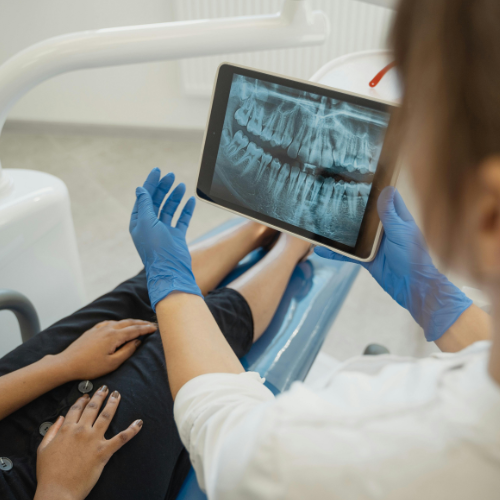
During this visit, the dentist will conduct a series of gentle but thorough assessments to evaluate your child's oral health and development:
Additionally, this first visit is an opportunity for your child to become comfortable with the dentist, the office, and the routine of regular dental checkups. Dentists and their teams are skilled at making children feel at ease, using child-friendly language and explanations, and often incorporating fun elements like showing the child how the chair moves or letting them hold a mirror to see their teeth.
The dentist might also discuss the importance of fluoride for preventing decay, the impact of habits like pacifier use or thumb-sucking on dental health, and any appropriate preventive measures like dental sealants. This visit establishes a baseline for your child's dental health and allows the dentist to catch and address any potential issues early.
By making the first dental visit a positive and educational experience, parents and dentists together set the stage for a child's healthy oral hygiene habits that will last a lifetime. It's not just about checking teeth; it's about building trust, educating parents, and creating a foundation for a lifetime of good oral health.
Dentists employ a range of specialized tools and techniques designed specifically for cleaning baby teeth, ensuring the process is both gentle and effective. The goal is to create a positive experience for the child while thoroughly cleaning their teeth and gums. Here’s a detailed look at what typically happens during a pediatric teeth cleaning session:
Plaque and Tartar Removal: The first step in the cleaning process involves the removal of plaque and tartar from the teeth and gum line. Dentists or dental hygienists use soft, child-friendly dental instruments, such as small, gentle scalers, to carefully eliminate these buildups. Plaque, a sticky film of food debris, bacteria, and saliva, can harden into tartar if not removed regularly. Tartar can lead to gum disease and cavities if left untreated, so its removal is crucial for maintaining oral health.
Polishing: After the tartar and plaque have been removed, the teeth are polished using a soft, rubber cup and a mild abrasive paste. This step helps remove any remaining plaque and smoothens the surfaces of the teeth. Polishing not only cleans but also buffs the teeth, making it more difficult for plaque to adhere to the tooth surfaces in the future. It’s like giving the teeth a gentle scrub that leaves them shiny and smooth.
Fluoride Application: To conclude the cleaning, a fluoride treatment is usually applied. Fluoride is a natural mineral that strengthens the enamel, making it more resistant to acid attacks from bacteria and sugars in the mouth. This treatment can be in the form of a gel, foam, or varnish, and is often flavored to make the experience more enjoyable for children. The fluoride helps remineralize any weakened tooth areas and is a vital defense against tooth decay.
During the entire process, dentists and hygienists take great care to ensure the child feels safe and comfortable. They explain the steps in a child-friendly manner, often using storytelling or analogies that make the experience fun and less intimidating. For example, they might describe the scaler as a "tooth tickler" that helps "keep the tooth bugs away."
Additionally, dental professionals are trained to recognize when a child might need a break and are skilled at managing young patients’ anxiety or fear. They may use techniques such as "tell-show-do" (explaining and showing the tool before using it) to familiarize the child with the process and reduce fear of the unknown.
Regular dental cleanings are essential for removing plaque and tartar that cannot be eliminated by brushing and flossing alone. These sessions also provide an opportunity for dentists to assess the child's oral health and catch any issues early, reinforcing the importance of these visits in maintaining long-term dental health. By establishing a routine of regular dental checkups and cleanings, parents can help ensure their child's teeth remain clean and healthy, laying the foundation for good oral hygiene habits that will last a lifetime.
The duration of a child's teeth cleaning session can vary based on several factors, including the child's age, the condition of their teeth, and their level of cooperation. Generally, a routine cleaning and examination for a child can take anywhere from 30 to 60 minutes. This time allows the dentist to perform a thorough cleaning, conduct an examination, and discuss any concerns with the parent or guardian.
Regular dental visits are crucial for detecting early signs of tooth decay and for teaching children the importance of good oral hygiene. Starting dental care early helps inculcate habits that lead to a lifetime of healthy smiles.
If it's time for your child's dental checkup or if you're planning their first visit, don't hesitate to contact us. Our friendly and experienced pediatric dental team is dedicated to providing a comfortable and positive experience for both you and your child. Schedule an appointment today and take the first step towards ensuring your child's dental health!
This approachable yet informative style offers parents a clear understanding of what to expect and the importance of early dental visits, effectively encouraging them to prioritize their child's oral health by scheduling an appointment with our dental office.
Fresh news from the dental world





Mon 8AM - 5PM
Tue 8AM - 5PM
Wed-Thu 8AM - 5PM
Fri 8AM - 5PM
Sat 9AM - 3PM
Sun Closed
Check out what our patients are saying in Long Beach, CA...


“Answers any questions...”
I been a patient here for over twelve years. Andrea greeted me and got my folder set up. Toni is very friendly and answers any questions you have promptly, when I always come in she greets you with a smile and makes your appointment enjoyable. Today Jovani and Dr. Joan made this experience great. I recommend this dentist for new patients.

“Clean and friendly...”
Very clean and friendly crew. I really enjoyed myself.

“A positive experience...”
Very clean and organized office! Entire staff was pleasant and friendly, and seems interested in ensuring I had a positive experience. Will definitely return! Affordable rates.

“My favorite dentist...”
The service here is amazing and they make you feel comfortable. I'm one of those people that hates to go to the dentist and the dentists that I went to in the past were not that great with service. Overall I found my favorite dentist service now at Long Beach Family Dentist.
“Answers any questions...”
I been a patient here for over twelve years. Andrea greeted me and got my folder set up. Toni is very friendly and answers any questions you have promptly, when I always come in she greets you with a smile and makes your appointment enjoyable. Today Jovani and Dr. Joan made this experience great. I recommend this dentist for new patients.
“Clean and friendly...”
Very clean and friendly crew. I really enjoyed myself.
Check out our accreditations, sources, and relationships in the wide world of dentistry...


Check us out and follow our Long Beach, CA practice on social media...