What Patients Ask Before Getting Veneers: Stains, Nightguards, and Whitening
Do veneers stain? Do you need a nightguard? Learn the facts about porcelain veneers and whitening. Schedule your consultation at Long Beach Family Dentist now!
Read More
When it comes to achieving a beautiful, straight smile, veneers are a popular option that can transform your teeth without the lengthy process of braces. But do you need perfectly straight teeth before getting veneers? Let’s explore the most common questions people have when considering veneers for a straighter smile.
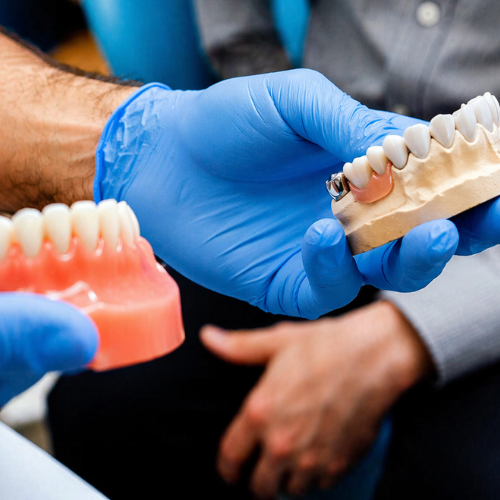
The good news is that veneers can correct mild alignment issues, meaning you don’t need perfectly straight teeth to be a candidate. Veneers are thin porcelain shells that are bonded to the front surface of your teeth, effectively masking imperfections such as gaps, minor crookedness, and discoloration. This makes them an attractive option for those who want a quick, dramatic improvement to their smile without undergoing orthodontic treatments like braces.
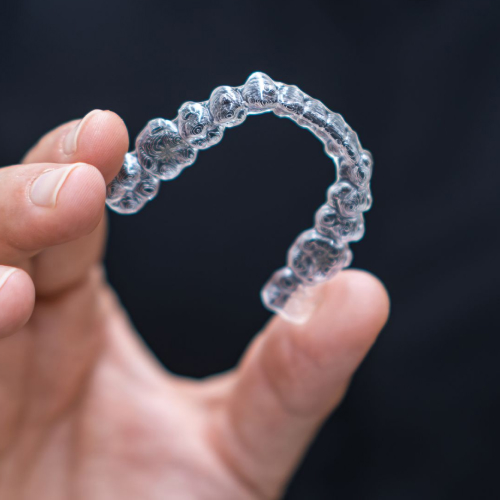
However, it's important to note that veneers are not designed to fix major misalignment or bite issues. If your teeth have severe crowding, rotations, or significant gaps, veneers alone may not be enough to provide a long-lasting, natural-looking result. In cases of more complex alignment problems, orthodontic treatment such as braces or clear aligners might be necessary to create a stable foundation before veneers can be placed.
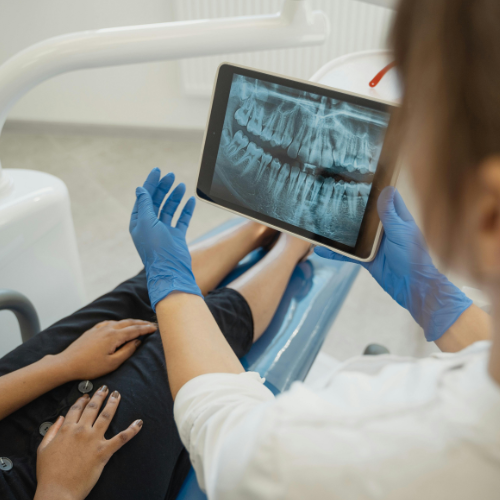
Your dentist will evaluate your teeth to determine if veneers alone can achieve your desired results or if preliminary orthodontic treatment is needed. The goal is to ensure that your veneers not only look great but also function properly in the long term, providing you with a smile that’s as healthy as it is beautiful.
In short, while you don’t need perfectly straight teeth for veneers, a proper assessment will help determine if veneers are the best solution for your specific alignment concerns.
In some cases, braces might be necessary before getting veneers, especially if your teeth have significant alignment issues. While veneers are excellent for covering minor imperfections like small gaps or slightly crooked teeth, they are not designed to correct more complex dental problems such as severe crowding, overbites, underbites, or crossbites. If your teeth are significantly misaligned, orthodontic treatment may be required to correct the underlying structural issues before veneers can be placed.
For example, if you have a severe overbite, simply placing veneers over your teeth could lead to uneven wear or even chipping over time because the bite is not properly aligned. Similarly, if your teeth are extremely crowded or rotated, veneers alone may not create a smooth, natural-looking smile. In these cases, braces or clear aligners can help reposition your teeth, providing a more stable and functional foundation for veneers.
Your dentist will conduct a comprehensive evaluation to determine whether orthodontic treatment is needed before moving forward with veneers. The goal is to address any underlying issues that could affect the longevity and appearance of your veneers. In some situations, patients may only need minor orthodontic adjustments, such as a few months of wearing clear aligners, while others with more severe misalignment may require a longer course of braces.
By ensuring that your teeth are properly aligned before placing veneers, you’ll not only achieve a more aesthetically pleasing result but also ensure that your veneers last as long as possible. Straightened teeth will distribute pressure more evenly when you chew, reducing the risk of damage to your veneers or natural teeth.
Ultimately, whether or not you need braces before getting veneers depends on the current alignment of your teeth. A personalized treatment plan is essential for creating a beautiful, healthy smile that will stand the test of time.
A common concern for patients considering veneers is the fear of needing to shave down their teeth for the veneers to fit properly. Traditionally, veneers required removing a thin layer of enamel from the front of the teeth to make space for the porcelain shells, which raised concerns about the irreversible nature of the process. However, advancements in cosmetic dentistry now offer solutions that involve minimal to no enamel removal, allowing patients to achieve stunning results without significantly altering their natural teeth.
Traditional veneers typically require about 0.5 mm to 1 mm of enamel to be shaved off to ensure the veneers fit snugly and look natural. This enamel reduction is important because it prevents the teeth from appearing bulky once the veneers are applied. The amount of enamel removed is usually very minimal, and the procedure is pain-free, as local anesthesia can be used to ensure comfort.
But for those who prefer an even more conservative approach, no-prep or minimal-prep veneers have become an increasingly popular option. These types of veneers are thinner and can often be applied directly to the tooth’s surface without the need for extensive enamel removal. No-prep veneers can provide a natural look and feel while allowing patients to preserve nearly all of their natural tooth structure. However, the decision to use no-prep veneers depends on several factors, including the current alignment, color, and condition of your teeth.
No-prep veneers are ideal for patients with smaller teeth or those who already have slight spacing between their teeth, as they offer a seamless result with little to no tooth shaving. That said, they may not be suitable for everyone. If your teeth are larger or more prominent, traditional veneers that require some enamel removal might still be the better option to ensure a proportional, balanced appearance.
Your dentist will evaluate your teeth and recommend the best veneer option based on your unique needs and goals. The condition of your teeth—whether they are heavily discolored, chipped, or have other imperfections—will also influence the type of veneers that can be used.
It’s essential to have an open discussion with your dentist about your preferences and concerns. While minimal-prep veneers are less invasive, they may not be the best choice in every situation, especially if more significant changes in tooth shape, size, or alignment are required to achieve your desired look.
So, yes, you can get veneers without significant enamel removal in many cases, thanks to advances in dental technology. Whether you choose traditional veneers or a no-prep alternative, your dentist will help you make the decision that best balances aesthetics, durability, and preservation of your natural teeth.
Veneers offer an excellent solution for those looking to improve their smile, but the right treatment plan starts with a consultation. Whether you need braces first or can go straight to veneers, our dental team is here to guide you every step of the way.
Ready to transform your smile? Schedule your appointment today and discover if veneers are the right choice for you!
Fresh news from the dental world



Mon 8AM - 5PM
Tue 8AM - 5PM
Wed-Thu 8AM - 5PM
Fri 8AM - 5PM
Sat 9AM - 3PM
Sun Closed
Check out what our patients are saying in Long Beach, CA...


“Answers any questions...”
I been a patient here for over twelve years. Andrea greeted me and got my folder set up. Toni is very friendly and answers any questions you have promptly, when I always come in she greets you with a smile and makes your appointment enjoyable. Today Jovani and Dr. Joan made this experience great. I recommend this dentist for new patients.

“Clean and friendly...”
Very clean and friendly crew. I really enjoyed myself.

“A positive experience...”
Very clean and organized office! Entire staff was pleasant and friendly, and seems interested in ensuring I had a positive experience. Will definitely return! Affordable rates.

“My favorite dentist...”
The service here is amazing and they make you feel comfortable. I'm one of those people that hates to go to the dentist and the dentists that I went to in the past were not that great with service. Overall I found my favorite dentist service now at Long Beach Family Dentist.
“Answers any questions...”
I been a patient here for over twelve years. Andrea greeted me and got my folder set up. Toni is very friendly and answers any questions you have promptly, when I always come in she greets you with a smile and makes your appointment enjoyable. Today Jovani and Dr. Joan made this experience great. I recommend this dentist for new patients.
“Clean and friendly...”
Very clean and friendly crew. I really enjoyed myself.
Check out our accreditations, sources, and relationships in the wide world of dentistry...


Check us out and follow our Long Beach, CA practice on social media...