Can You Actually Reverse Gum Disease? What Long Beach Patients Need to Know
Long Beach patients: learn when gum disease can truly be reversed, what signals you've passed the point, and how to act fast. Book a periodontal exam today.
Read More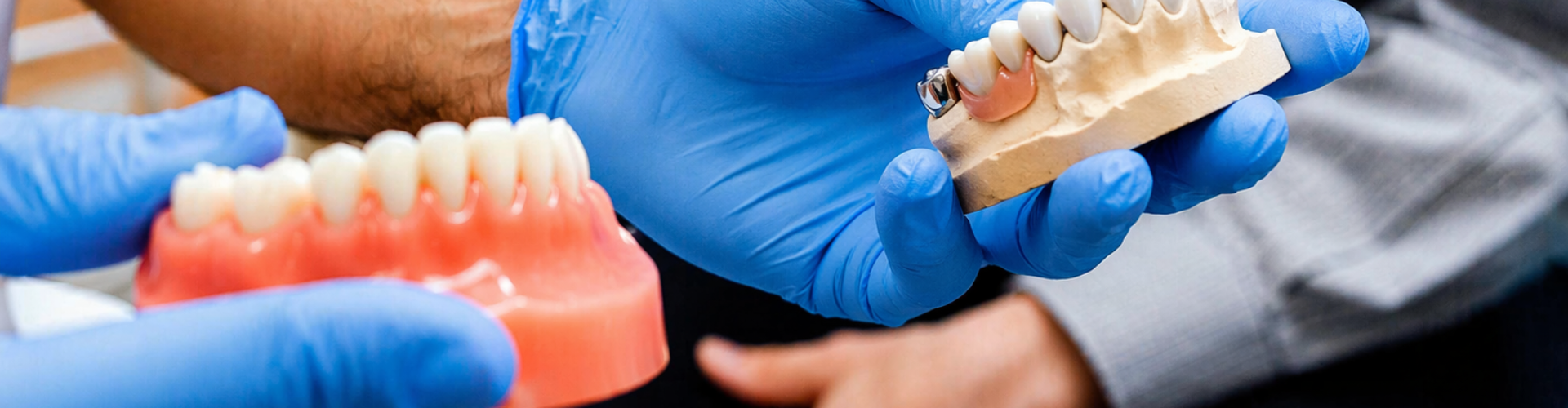
Sometimes people lose a tooth and immediately want to fix it. Others wait.
They get used to chewing a little differently. They learn how to smile without showing that side of their mouth. They tell themselves it is not urgent because it is only one tooth. That is a very normal reaction. But even a single missing tooth can start to change the way your mouth functions and the way you feel about your smile.
Replacing that tooth is not only about looks. It can help restore comfort, support your bite, and make everyday things like eating and speaking feel easier again. For many patients, a dental bridge is one of the most practical ways to do that. It is a fixed option that fills the space, blends in naturally, and helps your smile feel whole again.
At Long Beach Family Dentist, we help patients look at the full picture before deciding on treatment. If you have been wondering whether a bridge makes sense for one missing tooth, it helps to understand how it works, who it is best for, and what kind of longevity you can expect.
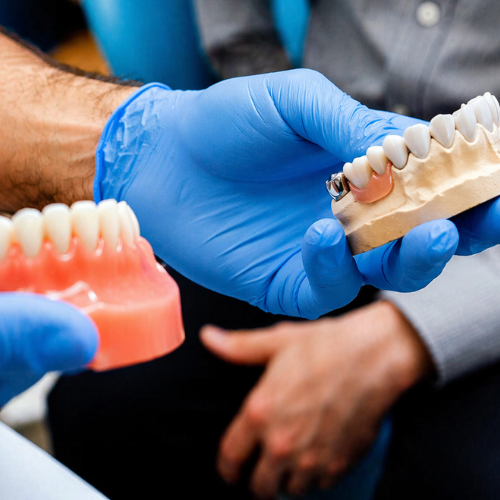
A dental bridge replaces a missing tooth by using the teeth on either side of the space for support. These supporting teeth are typically reshaped and covered with crowns, and the artificial tooth in the middle fills the gap. Once the bridge is placed, it stays fixed in your mouth and works as one connected restoration.
In simple terms, it does three important jobs at once:
The artificial tooth, often called a pontic, is designed to blend in with the rest of your smile. A well-made bridge is shaped and shaded to look natural, so most people will not notice it is there.
The process usually takes more than one visit. After examining your teeth and gums, your dentist will prepare the supporting teeth, take impressions or digital scans, and place a temporary bridge if needed. Once the final bridge is ready, it is fitted and secured into place.
The goal is not just to replace what is missing, but to make the whole area feel functional and comfortable again.
That matters because when a tooth is missing for too long, nearby teeth can begin to shift. Opposing teeth may also move in ways they should not. This can affect your bite and create more dental issues later. A bridge helps keep everything better aligned while restoring the appearance of your smile.
For many people, yes. A dental bridge can be a very good option for replacing one missing tooth, especially when the teeth next to the gap are healthy enough to support it or already need crowns.
A bridge may be a strong choice if you want something that is:
Fixed: It stays in place and does not come out like a removable appliance.
Natural-looking: Modern bridges are designed to blend in with surrounding teeth.
Functional: It can make biting and chewing feel more normal again.
Predictable: Dental bridges have been used successfully for many years and remain a trusted treatment option.
That said, a bridge is not automatically the best choice for everyone. The right treatment depends on several factors, including the health of the teeth next to the gap, the condition of your gums, your bite, and your long-term goals.
Some patients may be better candidates for a dental implant. Others may prefer a bridge because it can be completed without surgery. In some cases, the supporting teeth already need crowns, which can make a bridge an especially practical solution.
Here is where a proper exam really matters. What works beautifully for one patient may not be the right fit for another. The best choice is the one that protects your oral health while also making sense for your lifestyle and budget.
If you have been living with one missing tooth for a while, it is worth getting it evaluated instead of assuming it is only a cosmetic issue. Even one gap can change how pressure is distributed when you chew, and that can create wear in other areas of the mouth over time.
A dental bridge can last many years. In many cases, patients can expect a bridge to last anywhere from 5 to 15 years or longer, depending on how well it is cared for and the condition of the supporting teeth and gums.
Its lifespan often depends on everyday habits such as:
The supporting teeth matter a lot. A bridge depends on those teeth for strength, so keeping them healthy is essential. If decay or gum disease develops around them, the bridge may not last as long as it should.
This is one reason dentists stress home care so much. A bridge cannot get a cavity itself, but the teeth holding it in place can. Patients sometimes assume that once the bridge is cemented in, the work is done. Really, that is when maintenance becomes part of protecting the investment.
Cleaning under a bridge may take a little extra effort, but it quickly becomes routine. Many patients use floss threaders or other dentist-recommended tools to keep the area clean. Small daily habits can make a big difference in how long your bridge lasts.
A well-maintained bridge should not just stay in place. It should continue to feel comfortable, look natural, and do its job well over time.
There is a practical side to replacing a tooth, but there is also an emotional side that matters just as much.
Many patients do not come in saying they want a bridge specifically. They come in saying things like:
That is really what this is about. A missing tooth can affect confidence, comfort, and daily routines in quiet ways. Replacing it is not only about appearance. It is about restoring ease.
A bridge can be a great option for patients who want a proven, fixed solution that looks good and helps them get back to eating, speaking, and smiling with less self-consciousness.
If you are missing a tooth, you do not have to keep adjusting around it and hoping it will not affect anything else. The sooner you explore your options, the easier it can be to protect your bite and restore your smile with confidence.
At Long Beach Family Dentist, we can examine the area, talk through your options, and help you decide whether a dental bridge is the right choice for you. Schedule an appointment today and take the first step toward making your smile feel complete again.
Fresh news from the dental world




Mon 8AM - 5PM
Tue 8AM - 5PM
Wed-Thu 8AM - 5PM
Fri 8AM - 5PM
Sat 9AM - 3PM
Sun Closed
Check out what our patients are saying in Long Beach, CA...


“My favorite dentist...”
The service here is amazing and they make you feel comfortable. I'm one of those people that hates to go to the dentist and the dentists that I went to in the past were not that great with service. Overall I found my favorite dentist service now at Long Beach Family Dentist.

“Clean and friendly...”
Very clean and friendly crew. I really enjoyed myself.

“A positive experience...”
Very clean and organized office! Entire staff was pleasant and friendly, and seems interested in ensuring I had a positive experience. Will definitely return! Affordable rates.

“Answers any questions...”
I been a patient here for over twelve years. Andrea greeted me and got my folder set up. Toni is very friendly and answers any questions you have promptly, when I always come in she greets you with a smile and makes your appointment enjoyable. Today Jovani and Dr. Joan made this experience great. I recommend this dentist for new patients.
“My favorite dentist...”
The service here is amazing and they make you feel comfortable. I'm one of those people that hates to go to the dentist and the dentists that I went to in the past were not that great with service. Overall I found my favorite dentist service now at Long Beach Family Dentist.
“Clean and friendly...”
Very clean and friendly crew. I really enjoyed myself.
Check out our accreditations, sources, and relationships in the wide world of dentistry...


Check us out and follow our Long Beach, CA practice on social media...