Dental Implants vs. Bridges: Pain, Longevity, and Which Works Best for Front Teeth
Comparing dental implants vs. bridges for pain, lifespan, and front teeth? Discover the best option for your smile and schedule your consultation today!
Read More
There are certain products you discover in life that make you wonder where they have been all this time. For some people it is a kitchen gadget or a new skincare item. For me and for many of my patients it is numbing gel. It sounds simple and almost too ordinary to talk about, but once you experience the kind of relief it brings during a moment of dental discomfort it feels nothing short of magical.
Toothaches never ask permission. They show up at night when you are trying to sleep or first thing in the morning when you are rushing to get out the door. This is where numbing gel steps into the spotlight. It works quietly and quickly and gives you back the comfort you need to think clearly again. You are not meant to suffer through dental pain while you wait for a proper appointment and numbing gel can bridge that gap better than almost anything else over the counter. Today, we want to talk about why it has become my new favorite thing and why so many patients keep a tube of it at home like a little secret weapon.
Let us look at what makes numbing gel useful, when you should use it, what to expect and why it is important to still follow up with a dentist even if the gel provides immediate comfort.
Safety always comes first. Numbing gel is generally safe to use when you follow the instructions on the label and apply it in the way it was designed to be used. Most numbing gels contain benzocaine which temporarily blocks nerve signals. This gives you that quick soothing effect that helps you get on with your day.
For everyday tooth or gum sensitivity numbing gel can be helpful, but it should not replace a proper exam. If you feel sharp zaps, cold sensitivity or stinging every time you eat or drink something that is your mouth telling you that something needs attention. Tooth sensitivity can come from worn enamel, gum recession, grinding, cavities, cracked teeth, whitening products or brushing too aggressively. The gel can calm the discomfort but it cannot fix what is causing it.
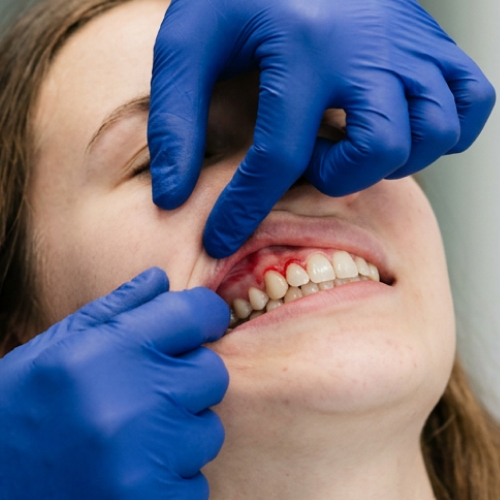
Gum irritation is another common reason people reach for numbing gel. If your gums feel sore or raw after flossing or brushing, a small amount of gel can give quick comfort. The key is to make sure the irritation is not coming from an infection or an underlying condition that needs treatment. Bleeding gums, swelling, persistent soreness or a strange taste in the mouth should always be checked by a dentist because these can be early signs of gum disease.
A good rule of thumb is this: use numbing gel for occasional, mild irritation or short term discomfort. If you need it every day there is something deeper happening and your mouth will benefit from a proper evaluation. Safe use also means applying a thin layer, avoiding repeated applications and never using more than the recommended amount.
Children should be supervised closely because swallowing too much benzocaine can be harmful. Pregnant individuals or people with certain conditions should talk to a dentist before using any topical anesthetic. Safety is very manageable as long as you respect the product and understand that it is meant to provide relief, not cure the source of the issue.
One of the reasons people love numbing gel is the speed. When you are in pain minutes can feel like hours, so anything that works quickly feels like a blessing. Most numbing gels begin to work within one to three minutes. That fast action is part of what makes it so appealing. The surface of your gum or tooth becomes less reactive and the ache that once felt sharp or distracting settles into something far more manageable.
The relief usually lasts anywhere from fifteen minutes to an hour depending on the brand, your sensitivity level and how much gel you applied. For most people the average is around thirty minutes. It is not meant to last the entire day and that is intentional. The goal is to give you enough comfort to eat, speak, sleep or simply relax while planning your next step.
The biggest advantage of this short acting relief is that you can still sense when something changes in your mouth. Long lasting numbness might feel convenient, but it can also mask symptoms that your dentist needs to evaluate. Temporary relief allows you to feel the comfort you need but still remain aware of what your mouth is trying to tell you.
If you notice that your discomfort returns as soon as the gel wears off that is a sign that you should book an appointment. Pain is a signal that something needs attention and numbing gel is just a temporary pause button. It does not resolve the underlying cause. This is why dentists appreciate when patients tell us exactly how often they are using the gel. It gives us clues about how severe the issue might be and how urgently it needs treatment.
Remember that numbing gel should never be layered over open wounds or broken skin. It is always best to apply it gently and sparingly. More gel does not equal more relief. Applying too much can irritate the tissue and give the opposite effect of what you want. A little goes a long way.
Numbing gel plays a useful role both at home and inside the dental office. During procedures we often apply a professional-grade version of numbing gel before giving an injection. This makes the injection far more comfortable and helps patients relax. Some people even say they barely feel anything after the gel is applied.
For at home use the gel is mostly for temporary relief. It helps with mouth sores, irritation from braces or aligners, mild gum tenderness, small injuries, sore spots from biting down incorrectly and occasional sensitivity. Think of it like a first aid solution for your mouth. It helps you get through moments of discomfort while you wait for healing or while you arrange a dental visit.
There are times when numbing gel is not recommended at home. If you suspect a severe infection, if your face is swollen, if you have a fever or if the pain is intense enough to interrupt your sleep for several nights in a row, the gel will not solve the problem. In these cases you need an evaluation as soon as possible.
During dental procedures numbing gel is also helpful for patients who experience anxiety. A gentle layer of gel can ease the intensity of sensations and help you feel more in control. Some procedures may only require the gel without injections, especially if the work is very minor. For things like deep cleanings, fillings or extractions you will need stronger anesthesia, but the gel still plays a valuable role in the early stages.
In simple terms, numbing gel is a versatile comfort tool. It is not a replacement for dental treatment, but it supports you in the moments where you need quick relief. Whether you are at home dealing with a sudden flare up or sitting in a dental chair preparing for a procedure, numbing gel provides a sense of calm and comfort that helps everything feel easier.
There is something incredibly grounding about feeling pain fade away after just a minute or two. That quiet moment of relief gives you space to breathe again. When your mouth hurts it affects everything. It distracts you during conversations, makes eating difficult and keeps you on edge. Numbing gel transforms that experience almost instantly.
It is one of the simplest tools in dentistry and yet one of the most appreciated. Patients often share stories about how it saved their day while waiting for an appointment. Others use it before bed so they can finally rest. Parents keep it on hand for children with sore spots from orthodontic appliances. People who grind their teeth use it when they wake up with irritation on their gums or cheeks.
It is not fancy, it is not expensive and it does not require a prescription. That accessibility is part of its charm. It allows you to take small steps toward comfort without waiting for an emergency. It gives you control in a moment where pain makes you feel powerless.
But the most important thing to remember is that numbing gel should support your oral health not replace it. Relief is wonderful, but long term comfort comes from identifying why the pain started in the first place. A dentist can help with that part.
Numbing gel should be a short term solution. If you find yourself using it regularly there is a reason your mouth keeps asking for help. These are signs it is time to schedule an appointment:
• Pain that returns every day
• Sensitivity that gets worse
• Swollen or bleeding gums
• Tooth pain that spreads to your jaw or ear
• Bad taste or persistent odor
• Pain that wakes you up at night
• A cracked tooth or visible damage
• Sores that do not heal
These symptoms are your body’s way of telling you that something needs attention. With modern dentistry most issues can be treated quickly and comfortably once we know what is going on.
Your oral health affects your total wellbeing. Waiting too long can turn a simple issue into something more complicated. Using numbing gel occasionally is perfectly fine, but relying on it every day masks problems that need proper care.
Numbing gel may just be my new favorite thing because it reminds people that relief is possible. You do not have to suffer through discomfort and you should never feel like dental pain is something to push through. A small tube of gel can make the difference between a miserable day and a manageable one. And a visit to the dentist can turn that temporary relief into lasting comfort.
At Long Beach Family Dentist, we believe in addressing the cause of your discomfort with solutions that help you feel better, function better and smile with confidence. If you have been using numbing gel more often than usual or if you are unsure why your mouth feels sensitive, we would love to take a look and help you get back to feeling your best.
Schedule an appointment today and let us help you find real, lasting relief.
Fresh news from the dental world



Mon 8AM - 5PM
Tue 8AM - 5PM
Wed-Thu 8AM - 5PM
Fri 8AM - 5PM
Sat 9AM - 3PM
Sun Closed
Check out what our patients are saying in Long Beach, CA...


“My favorite dentist...”
The service here is amazing and they make you feel comfortable. I'm one of those people that hates to go to the dentist and the dentists that I went to in the past were not that great with service. Overall I found my favorite dentist service now at Long Beach Family Dentist.

“Clean and friendly...”
Very clean and friendly crew. I really enjoyed myself.

“A positive experience...”
Very clean and organized office! Entire staff was pleasant and friendly, and seems interested in ensuring I had a positive experience. Will definitely return! Affordable rates.

“Answers any questions...”
I been a patient here for over twelve years. Andrea greeted me and got my folder set up. Toni is very friendly and answers any questions you have promptly, when I always come in she greets you with a smile and makes your appointment enjoyable. Today Jovani and Dr. Joan made this experience great. I recommend this dentist for new patients.
“My favorite dentist...”
The service here is amazing and they make you feel comfortable. I'm one of those people that hates to go to the dentist and the dentists that I went to in the past were not that great with service. Overall I found my favorite dentist service now at Long Beach Family Dentist.
“Clean and friendly...”
Very clean and friendly crew. I really enjoyed myself.
Check out our accreditations, sources, and relationships in the wide world of dentistry...


Check us out and follow our Long Beach, CA practice on social media...