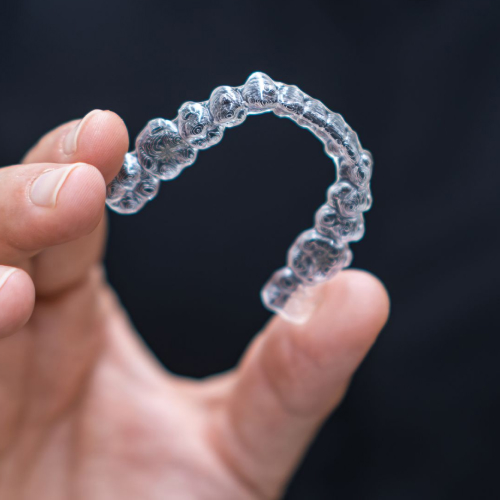
Why Your Invisalign Trays Aren't Fitting — And What to Do About It
Invisalign trays not fitting right in Long Beach? Learn why gaps happen, what tracking means, and when refinements are needed. Get answers from our dental team.
Read More
When it comes to replacing missing teeth, dental implants have become one of the most reliable and life-changing treatment options available. Whether you’re missing one tooth or an entire arch, implants can restore both function and confidence in your smile. But if you’ve ever looked into getting them, you already know there’s more than one type of implant—and figuring out the right one for your situation can feel overwhelming. That’s where we come in.
At Long Beach Family Dentist, we help patients understand the full scope of implant treatment options available and walk with them step by step. Whether you’re just starting your research or ready to take action, this blog covers the essentials.
Dental implants aren’t all built the same. In fact, they vary quite a bit based on how they’re placed, what they’re made of, and the condition of your jawbone. Let’s look at the most common types.
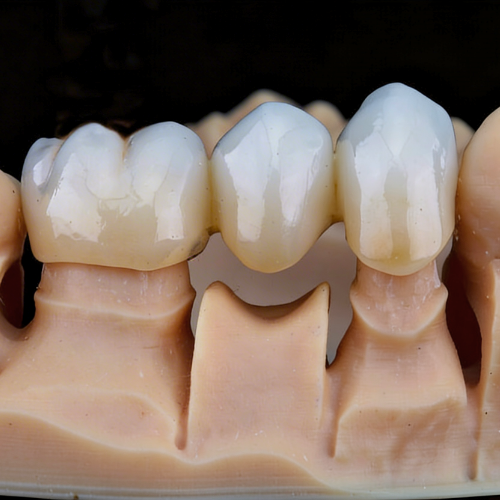
Endosteal implants: These are the most frequently used type of implant. Shaped like small screws or cylinders, endosteal implants are placed directly into the jawbone. After healing, a crown, bridge, or denture is attached to complete the restoration. They’re stable, long-lasting, and suitable for most patients with healthy bone structure.
Subperiosteal implants: If you don’t have enough bone for endosteal implants—and don’t want to undergo a bone graft—subperiosteal implants might be an option. These sit just beneath the gum but above the jawbone, supported by a metal frame. They’re typically custom-made and are less common today thanks to advances in grafting and other techniques, but they can be helpful in select cases.
Zygomatic implants: For patients with severe bone loss in the upper jaw, zygomatic implants can provide a solution when other implants aren’t viable. These longer implants anchor into the cheekbone (zygoma), offering solid support without the need for bone grafting. The procedure is more complex and usually done by specialists, but it can be a game-changer for the right patient.
Mini dental implants: These are narrower than traditional implants and often used to stabilize lower dentures or replace small teeth. Mini implants are less invasive, typically require less healing time, and may be suitable for patients with minimal bone density. While they don’t always offer the same longevity as standard implants, they provide an excellent alternative in specific cases.
The key to success lies in finding the right match for your needs, anatomy, and budget. During your consultation, we’ll assess your oral health and use advanced imaging to decide which implant type makes the most sense for you.
When it comes to replacing a full arch of teeth, both All-on-4 and traditional implants offer permanent solutions—but they do so in very different ways.
Traditional full-arch implants: This method uses 6 to 8 implants per arch to support a full denture or bridge. Each implant is spaced to provide maximum stability and is typically placed after any necessary bone grafting has healed. The entire process can take several months but offers exceptional strength and long-term success. This option is great for patients with good bone density who want a highly durable solution that mimics natural teeth as closely as possible.
All-on-4 implants: All-on-4 is a newer, streamlined approach. Instead of placing 6 to 8 implants, your dentist places just four strategically angled implants per arch. These are often tilted to maximize existing bone, which means many patients don’t need bone grafting at all. The best part? In many cases, a temporary set of teeth can be placed on the same day, so you leave your appointment with a functioning smile.
Here’s how they compare:
Ultimately, the choice between these two depends on your bone health, timeline, and personal preferences. At your consultation, we’ll walk you through both and help you decide what aligns best with your lifestyle and smile goals.
Yes, you absolutely can. Bone loss is common after tooth loss—especially if the tooth has been missing for a while. The jawbone relies on stimulation from your teeth to stay healthy, and when that’s gone, the bone begins to shrink. But modern dentistry has multiple solutions for patients in this exact situation.
Bone grafting: This is one of the most common ways to rebuild the jawbone. A bone graft adds volume and density to the jaw, creating a solid foundation for implants. The material can come from your own body, a donor source, or synthetic material. Healing time varies, but once healed, most patients are cleared for standard implants.
Sinus lifts: If you’ve lost bone in the upper back jaw, a sinus lift may be necessary. This procedure lifts the sinus membrane and adds bone to the area to make room for implants. It’s a delicate procedure, but with modern techniques, it’s more predictable and successful than ever.
Short or narrow implants: For patients who don’t want to wait months for grafts to heal—or aren’t candidates for grafting—short or mini implants can be used. These require less bone and can still offer solid, long-term support in many cases.
Zygomatic implants: As mentioned earlier, zygomatic implants anchor into the cheekbone rather than the jawbone. These can be ideal for patients with extreme bone loss who want to avoid grafting altogether. Not every practice offers them, but when available, they offer another path forward.
The bottom line is that bone loss is not a dealbreaker. With a comprehensive evaluation and the right treatment plan, we can still find a way to restore your smile.
Getting dental implants isn’t just about replacing teeth, it’s about getting back to your life. Eating your favorite foods. Laughing without self-consciousness. Speaking clearly. Smiling with confidence.
There are more options than ever, and no matter where you’re starting from, we’re here to help you find the one that fits.
At Long Beach Family Dentist, we’re committed to giving you a personalized, pressure-free experience. Schedule your consultation today and let’s figure out the right dental implant solution for your smile. We’ll answer all your questions, examine your bone health, and walk you through the next steps with care and clarity.
Fresh news from the dental world






Mon 8AM - 5PM
Tue 8AM - 5PM
Wed-Thu 8AM - 5PM
Fri 8AM - 5PM
Sat 9AM - 3PM
Sun Closed
Check out what our patients are saying in Long Beach, CA...


“My favorite dentist...”
The service here is amazing and they make you feel comfortable. I'm one of those people that hates to go to the dentist and the dentists that I went to in the past were not that great with service. Overall I found my favorite dentist service now at Long Beach Family Dentist.

“Clean and friendly...”
Very clean and friendly crew. I really enjoyed myself.

“Answers any questions...”
I been a patient here for over twelve years. Andrea greeted me and got my folder set up. Toni is very friendly and answers any questions you have promptly, when I always come in she greets you with a smile and makes your appointment enjoyable. Today Jovani and Dr. Joan made this experience great. I recommend this dentist for new patients.

“A positive experience...”
Very clean and organized office! Entire staff was pleasant and friendly, and seems interested in ensuring I had a positive experience. Will definitely return! Affordable rates.
“My favorite dentist...”
The service here is amazing and they make you feel comfortable. I'm one of those people that hates to go to the dentist and the dentists that I went to in the past were not that great with service. Overall I found my favorite dentist service now at Long Beach Family Dentist.
“Clean and friendly...”
Very clean and friendly crew. I really enjoyed myself.
Check out our accreditations, sources, and relationships in the wide world of dentistry...


Check us out and follow our Long Beach, CA practice on social media...