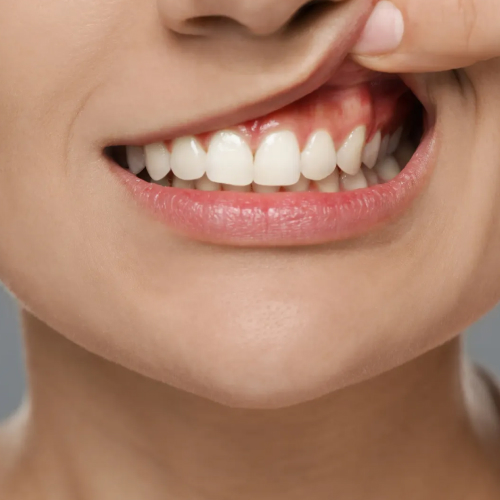
Can You Actually Reverse Gum Disease? What Long Beach Patients Need to Know
Long Beach patients: learn when gum disease can truly be reversed, what signals you've passed the point, and how to act fast. Book a periodontal exam today.
Read More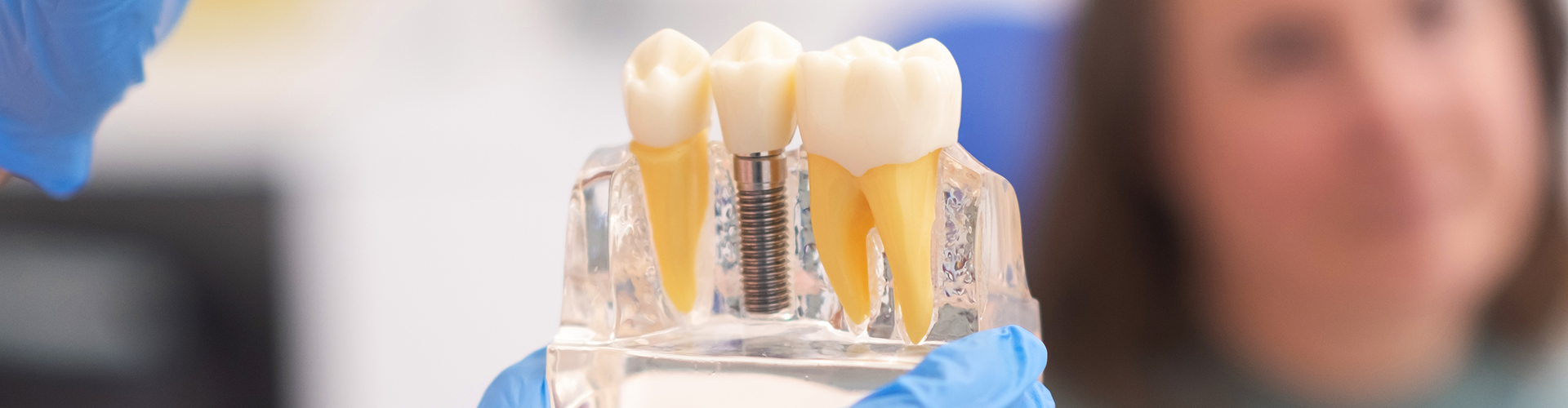
Dental implants are a revolutionary solution for restoring your smile, offering both aesthetic and functional benefits. However, understanding the post-implant procedure is crucial for a smooth recovery. In this guide, we will cover the essential aspects of the post-implant healing process, ensuring you know what to expect and how to care for your new implants.
Adjusting to dental implants can vary from person to person. Typically, most patients start feeling comfortable with their implants within a few weeks. Initially, you might experience minor discomfort as your mouth adapts to the new structure. This adjustment period is crucial for the implants to integrate with your jawbone properly. Patience and following your dentist's instructions will help you get used to your dental implants more quickly.
After your dental implant procedure, it's essential to follow a careful diet to ensure proper healing. Generally, you can start eating soft foods within the first 24 to 48 hours. However, it usually takes about a week to ten days before you can resume eating most of your regular foods. During this time, it's important to avoid hard, crunchy, or sticky foods that could interfere with the healing process. Gradually reintroducing a variety of foods will help you adjust comfortably.
To ensure optimal healing of your dental implants, it is crucial to avoid certain activities and substances that could jeopardize the success of your procedure. Here are the key things to steer clear of during your recovery period:
Tobacco and Alcohol
Both tobacco and alcohol can significantly impede the healing process of dental implants. Smoking reduces blood flow to the gums, which is essential for healing, and increases the risk of infection. Nicotine can also affect the integration of the implant with the jawbone, leading to higher chances of implant failure. Alcohol, on the other hand, can interfere with the body’s natural healing processes and may react negatively with any pain medication prescribed. It's advisable to abstain from smoking and drinking for at least two weeks post-surgery.
Hard or Crunchy Foods
In the initial weeks after your dental implant surgery, your gums and the implant site will be particularly sensitive. Consuming hard or crunchy foods like nuts, chips, and hard candies can cause damage or irritation to the implant site. These types of foods can exert undue pressure on the implants, potentially dislodging them or causing injury to the healing gums. Instead, opt for soft foods like yogurt, mashed potatoes, and smoothies to protect the area as it heals.
Strenuous Activities
Engaging in strenuous physical activities, such as heavy lifting, intense workouts, or high-impact sports, can negatively affect the healing process. Physical exertion can increase blood pressure and cause bleeding at the implant site. It is recommended to avoid such activities for at least the first few days following the procedure. Gentle exercises like walking can be resumed sooner, but always follow your dentist’s advice on when it is safe to return to more vigorous activities.
Poor Oral Hygiene
Maintaining excellent oral hygiene is vital to prevent infection and ensure the success of your dental implants. However, it's important to approach your oral care routine with extra caution around the implant area. Avoid skipping your regular brushing and flossing, but be gentle and use a soft-bristled toothbrush to clean the area around the implants. Rinsing with an antimicrobial mouthwash can also help keep the site clean and free from harmful bacteria. Avoid using mouthwashes that contain alcohol, as they can dry out and irritate your gums.
Certain Foods and Beverages
Besides hard and crunchy foods, you should also avoid foods that are too hot or too cold, as they can cause sensitivity and discomfort in the implant area. Sticky foods like caramel and chewing gum should be avoided as they can cling to the implant and gums, increasing the risk of dislodgement or infection. Acidic foods and beverages, such as citrus fruits and soda, can also irritate the surgical site and should be consumed with caution.
Self-Medication
While over-the-counter pain relievers can be helpful, it’s essential to follow your dentist’s recommendations and prescriptions. Self-medicating, especially with anti-inflammatory drugs like aspirin, can increase bleeding and interfere with the healing process. Always consult with your dentist before taking any additional medication.
By avoiding these potential pitfalls and following your dentist’s post-operative instructions, you can ensure a smoother recovery and better long-term success for your dental implants. If you have any questions or concerns during your recovery, don't hesitate to reach out to your dental care provider for guidance.
Monitoring the healing process of your dental implant is crucial to ensure its success and longevity. While your dentist will provide guidance during follow-up visits, being aware of the signs of proper healing can help you identify any issues early on. Here are the key indicators that your dental implant is healing correctly:
Minimal Discomfort
It's normal to experience some discomfort or soreness after the implant procedure, but this should gradually decrease over time. Typically, any pain or swelling should significantly diminish within the first few days to a week. Over-the-counter pain relievers, as recommended by your dentist, can help manage any discomfort during this period. If the pain persists or worsens beyond the initial healing phase, it might indicate a problem that requires professional attention.
Healthy Gum Tissue
Healthy gum tissue is a vital sign of proper healing. The gums around the implant should appear pink and firm, similar to the surrounding gum tissue. While some initial swelling is expected, it should reduce over time without becoming excessively swollen or red. Any signs of pus, excessive redness, or unusual swelling should be reported to your dentist immediately as these may indicate an infection.
Stable Implant
A properly healing dental implant should feel stable and secure within your jaw. There should be no movement or wobbling when you touch or gently press on the implant. If the implant feels loose or shifts in place, it could signify a problem with the osseointegration process, where the implant fuses with the jawbone. Ensuring the stability of the implant is crucial for its long-term success.
No Persistent Pain
Mild pain and tenderness are common immediately following the surgery, but this should not persist beyond the initial healing phase. Any prolonged or increasing pain is a red flag that something might be wrong. Persistent pain could be a sign of infection, implant rejection, or other complications that require immediate dental evaluation.
Absence of Infection
Monitoring for signs of infection is critical in the healing process. Symptoms of infection include persistent pain, swelling that doesn't subside, fever, and the presence of pus or discharge from the implant site. Good oral hygiene practices and following your dentist’s aftercare instructions can help prevent infections. If you notice any of these symptoms, contact your dentist promptly.
Proper Integration with Jawbone
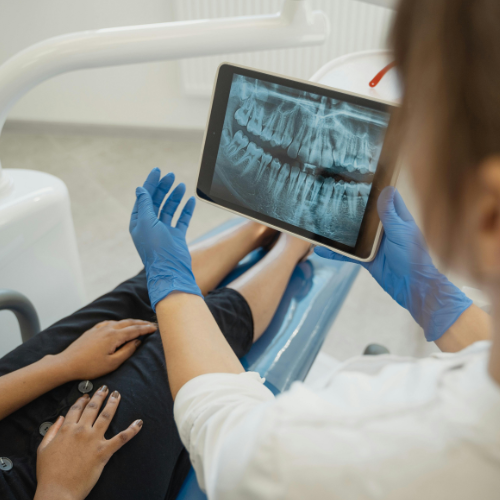
The process known as osseointegration, where the implant fuses with the jawbone, is crucial for the success of the implant. This process can take several months. Regular follow-ups with your dentist will help track the progress of osseointegration. X-rays may be taken to ensure that the bone is integrating well with the implant. Successful osseointegration will result in a strong and stable implant foundation.
Minimal Bleeding
Some bleeding is normal immediately after the surgery, but it should stop within a few hours to a couple of days. Continuous or excessive bleeding beyond this period is not typical and should be addressed by your dentist. To minimize bleeding, avoid strenuous activities and follow the post-operative care instructions provided by your dentist, such as applying gentle pressure with gauze.
Gradual Improvement in Function
As your dental implant heals, you should notice a gradual improvement in your ability to chew and speak comfortably. While it might take some time to fully adjust, any increase in functionality without discomfort is a positive sign. If you experience difficulty or pain while using the implant, consult your dentist to ensure everything is progressing as it should.
By keeping an eye on these indicators, you can ensure that your dental implant is healing correctly. Regular follow-up appointments with your dentist are essential for monitoring the healing process and addressing any potential issues promptly. If you notice any signs of infection, prolonged pain, or if the implant feels loose, contact your dentist immediately to ensure timely intervention and care.
Understanding the post-implant procedure is key to a successful recovery and long-term satisfaction with your dental implants. If you're considering dental implants or have any concerns about your post-implant care, our team is here to help. Schedule an appointment with us today to discuss your dental health and take the first step towards a confident, restored smile.
Fresh news from the dental world



Mon 8AM - 5PM
Tue 8AM - 5PM
Wed-Thu 8AM - 5PM
Fri 8AM - 5PM
Sat 9AM - 3PM
Sun Closed
Check out what our patients are saying in Long Beach, CA...


“My favorite dentist...”
The service here is amazing and they make you feel comfortable. I'm one of those people that hates to go to the dentist and the dentists that I went to in the past were not that great with service. Overall I found my favorite dentist service now at Long Beach Family Dentist.

“Clean and friendly...”
Very clean and friendly crew. I really enjoyed myself.

“A positive experience...”
Very clean and organized office! Entire staff was pleasant and friendly, and seems interested in ensuring I had a positive experience. Will definitely return! Affordable rates.

“Answers any questions...”
I been a patient here for over twelve years. Andrea greeted me and got my folder set up. Toni is very friendly and answers any questions you have promptly, when I always come in she greets you with a smile and makes your appointment enjoyable. Today Jovani and Dr. Joan made this experience great. I recommend this dentist for new patients.
“My favorite dentist...”
The service here is amazing and they make you feel comfortable. I'm one of those people that hates to go to the dentist and the dentists that I went to in the past were not that great with service. Overall I found my favorite dentist service now at Long Beach Family Dentist.
“Clean and friendly...”
Very clean and friendly crew. I really enjoyed myself.
Check out our accreditations, sources, and relationships in the wide world of dentistry...


Check us out and follow our Long Beach, CA practice on social media...