Do Veneers Stain? A Long Beach Dentist Explains What's Really Happening
Do veneers stain over time? Learn what causes discoloration, how porcelain compares to composite, and when to see a dentist in Long Beach.
Read More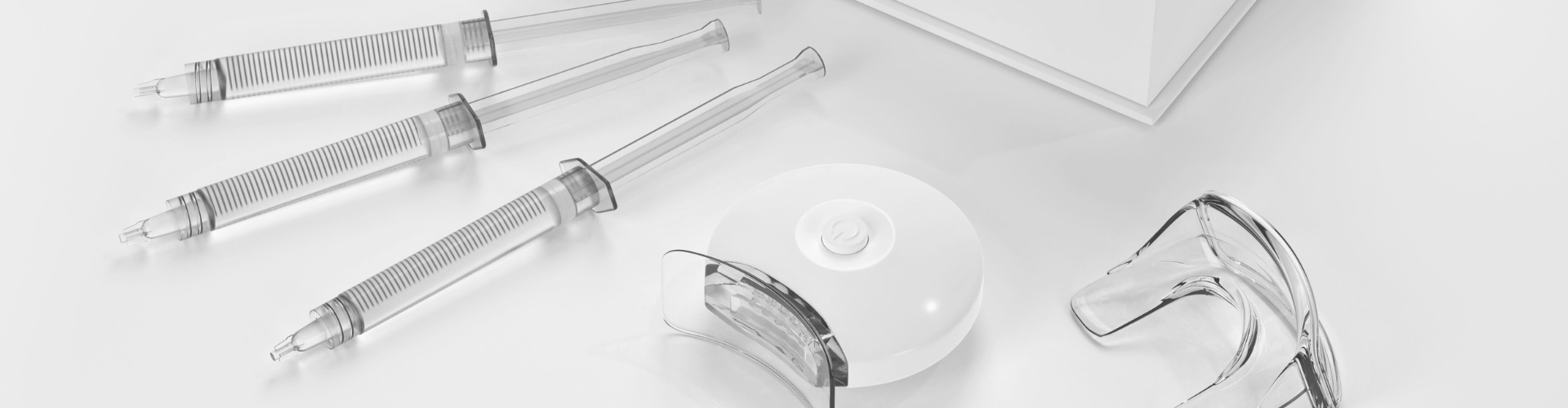
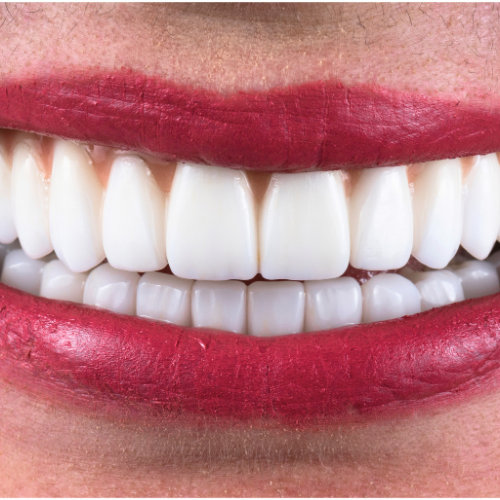
If you have ever caught yourself smiling with your lips pressed together in photos, you are not alone. Teeth are one of those details people notice without meaning to. The good news is you do not need a dramatic, “too-white” look to feel more confident. Most people want something simpler than that: brighter teeth that still look like their teeth.
That is where take home whitening from your dentist comes in.
It is not the same as grabbing a kit off a shelf and hoping for the best. It is also not the same as in office whitening that gives you instant change in one visit. Take home whitening is the in between option that many patients end up loving because it is controlled, gradual, and easier to customize based on your goals and sensitivity.
In this blog, we will break down what take home whitening is, what it can and cannot do, and how to choose the best whitening approach for your smile.
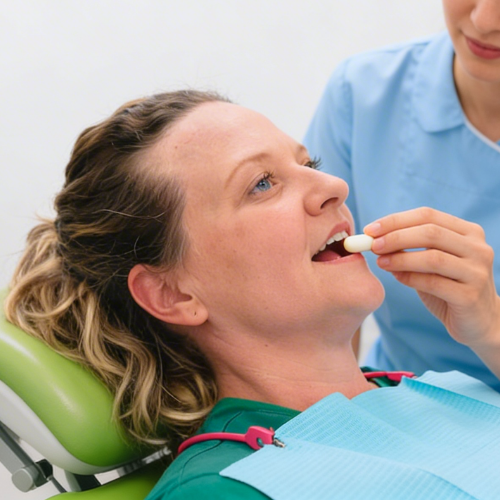
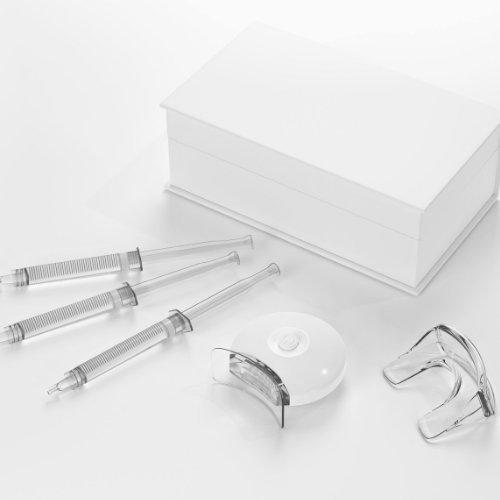
A take home whitening kit from your dental office is a dentist supervised whitening system you use at home over a set number of days. Most kits include:
The trays matter more than most people realize. A good fit helps the gel sit where it should, reduces excess gel leaking onto gums, and creates more even whitening.
What you can expect from take home whitening:
Whitening can feel confusing because many people brush consistently and still feel like their teeth are dull. That is usually because tooth color is not only about surface stains.
Teeth can look darker because of:
This is one reason a quick consult matters. Sometimes what looks like “yellow teeth” is actually a mix of surface stain and natural tooth tone. Whitening helps, but the approach should match what is going on.
Yes, many home whitening products are safe when used correctly, but “safe” depends on which kit you are using and how you use it.
A dentist provided take home kit is typically safer than experimenting with random products because it is designed around:
Where whitening can go wrong
Most problems do not come from whitening itself. They come from misusing it.
Common issues include:
Important note: Whitening gel is meant for teeth, not gums. If whitening gel sits against gum tissue, it can cause irritation or a chemical burn feeling. That is usually temporary, but it is uncomfortable and unnecessary.
Who should be extra cautious
Before whitening, it is smart to get checked if you have:
A quick exam helps you avoid wasting money on whitening that will not give you the result you want, or that could cause avoidable sensitivity.
Bottom line: Dentist supervised take home whitening is generally safe for most healthy smiles, and it is one of the more controlled ways to whiten at home.
People often assume whitening is either painless or unbearable. In reality, most patients fall somewhere in the middle.
You might notice:
That sensitivity usually settles quickly, especially when the whitening plan is paced correctly.
If you tend to be sensitive, your dentist can adjust things like:
That flexibility is a big reason take home whitening is popular. You can still reach your goal, just with a plan that respects your comfort.
This is the question that saves people the most frustration. Store bought kits are not “bad,” but they are built for the average user, not for your specific mouth.
Here are the differences that usually matter most.
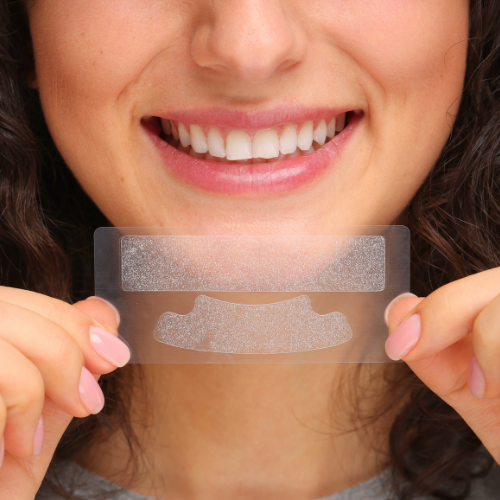
1) Fit and coverage: Store bought trays and strips are one size fits most. They can slide, fold, or miss areas, especially around the edges of teeth.
Custom trays fit snugly to your tooth shape, which helps with:
2) Strength is not the only issue: People assume professional whitening is just “stronger.” Strength matters, but control matters more.
Dentist provided kits typically come with:
With store kits, many people guess. They whiten too often or too long because they are chasing results.
3) Better consistency of results: Many store bought products whiten unevenly because:
Custom trays help create a more consistent look, which is what most people actually want.
4) You are not whitening blindly: If you have a cavity, crack, or gum inflammation, whitening can trigger sensitivity and make the experience miserable.
With take home whitening from your dentist, you typically start after:
That is a big difference. Whitening works best on a healthy foundation.
The best whitening option depends on your timeline, your sensitivity, and what kind of whitening you actually want.
Here is a simple way to think about it.
Take home whitening is often best if you want:
In office whitening is often best if you want:
Store bought kits can be fine if:
One honest detail: Whitening is not a forever change, no matter which method you choose. Teeth can pick up stain again over time, especially if you drink coffee, tea, or wine. The goal is not “one and done.” The goal is a plan you can maintain without frustration.
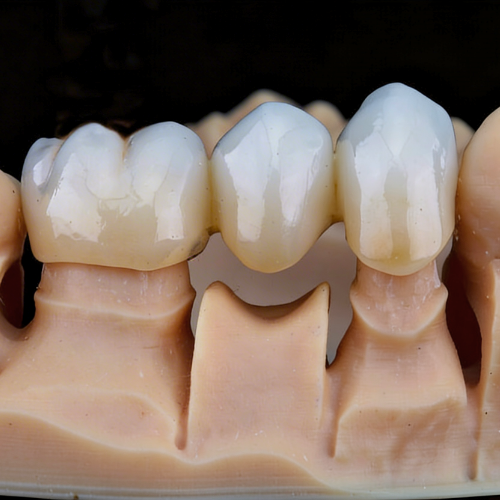
If you have crowns, veneers, or bonding on visible teeth, whitening will not change their color. That does not mean you cannot whiten, but it does mean you may need a plan to keep everything looking balanced.
Sometimes the “best” whitening treatment is:
A short consultation helps you avoid ending up with mismatched shades.
Whitening works best when it is treated like a dental treatment, not a beauty experiment.
Here is what helps.
Before whitening:
During whitening:
After whitening:
Foods and habits that can stain teeth faster
You do not need to live on plain rice and water, but it helps to be aware.
Common stain culprits include:
If you use these often, your best friend is maintenance, not over-whitening.
This matters, especially if you are doing whitening because you want to feel better about your smile.
Whitening can boost confidence, but it does not fix:
That is why dentist supervised whitening is usually the better investment. You are not only whitening. You are making sure your smile is healthy enough to whiten comfortably.
Take home whitening is a great option, but it is not always the right first step.
It may not be ideal if:
A good dentist will tell you this upfront, not after you spend money chasing results.
If you are thinking about whitening, the easiest way to avoid wasted time and money is to start with a quick consultation. At Long Beach Family Dentist, we can check your teeth, talk through your goals, and help you choose an option that makes sense for your smile and your sensitivity.
Contact us at Long Beach Family Dentist to schedule an appointment and ask about take home whitening kits and other whitening options.
Fresh news from the dental world



Mon 8AM - 5PM
Tue 8AM - 5PM
Wed-Thu 8AM - 5PM
Fri 8AM - 5PM
Sat 9AM - 3PM
Sun Closed
Check out what our patients are saying in Long Beach, CA...


“Answers any questions...”
I been a patient here for over twelve years. Andrea greeted me and got my folder set up. Toni is very friendly and answers any questions you have promptly, when I always come in she greets you with a smile and makes your appointment enjoyable. Today Jovani and Dr. Joan made this experience great. I recommend this dentist for new patients.

“Clean and friendly...”
Very clean and friendly crew. I really enjoyed myself.

“My favorite dentist...”
The service here is amazing and they make you feel comfortable. I'm one of those people that hates to go to the dentist and the dentists that I went to in the past were not that great with service. Overall I found my favorite dentist service now at Long Beach Family Dentist.

“A positive experience...”
Very clean and organized office! Entire staff was pleasant and friendly, and seems interested in ensuring I had a positive experience. Will definitely return! Affordable rates.
“Answers any questions...”
I been a patient here for over twelve years. Andrea greeted me and got my folder set up. Toni is very friendly and answers any questions you have promptly, when I always come in she greets you with a smile and makes your appointment enjoyable. Today Jovani and Dr. Joan made this experience great. I recommend this dentist for new patients.
“Clean and friendly...”
Very clean and friendly crew. I really enjoyed myself.
Check out our accreditations, sources, and relationships in the wide world of dentistry...


Check us out and follow our Long Beach, CA practice on social media...