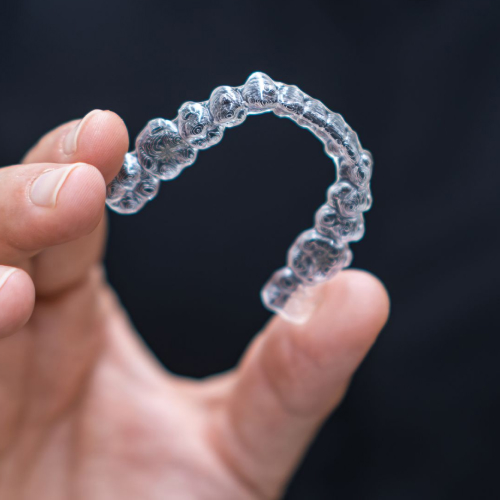
Why Your Invisalign Trays Aren't Fitting — And What to Do About It
Invisalign trays not fitting right in Long Beach? Learn why gaps happen, what tracking means, and when refinements are needed. Get answers from our dental team.
Read More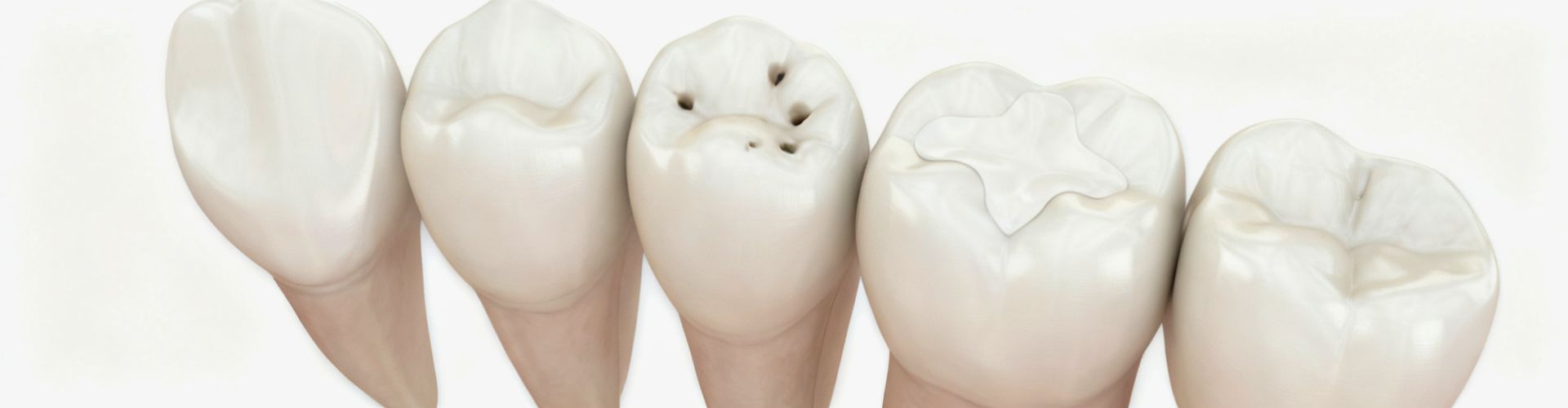
Most people don’t panic when they hear “cavity.” They panic when they hear “you need a filling.”
Because in your head, a filling can mean a few things:
So let’s talk about cavities and fillings in a real-world way, the way you’d want it explained if you were sitting in the chair and trying to make a smart decision without feeling pressured.
Here’s the big idea: cavities are extremely common, and fillings are one of the most straightforward ways to stop tooth decay from getting worse. But not every spot needs a drill, and not every cavity happens for the same reason. The goal is always the same: protect the tooth, keep you comfortable, and avoid bigger procedures later.
A cavity is tooth decay that has damaged the tooth structure. It usually starts when acids from bacteria wear down enamel over time.
Think of tooth decay like a small leak in a roof:
The tricky part is that early cavities often don’t hurt. Pain usually shows up when decay gets deeper and closer to the nerve.
Signs you might have a cavity
Not everyone gets symptoms, but common ones include:
If you’re unsure, that’s normal. That’s why dental exams and X-rays matter. Cavities between teeth can’t always be seen just by looking.
A filling is a way to repair a tooth after decay is removed. The goal isn’t just to “patch a hole.” It’s to restore strength and stop bacteria from continuing to damage the tooth.
A filling helps you avoid:
What happens during a filling appointment?
In simple terms, most fillings follow this flow:
You should leave able to chew comfortably after the numbness wears off, though mild sensitivity can happen for a short time.
This is a fair question, and it’s one of the most searched worries about cavities and fillings.
Here’s the honest answer: ethical dentists don’t want to do unnecessary treatment. It’s not good healthcare, it damages trust, and it’s not how long-term patient relationships are built.
That said, the confusion usually comes from one of these situations:
1) Early decay can look “borderline”
Some early cavities are in the enamel only. In those cases, treatment may be preventive rather than restorative.
Enamel-only decay may be managed with:
Once decay moves beyond enamel into dentin, it typically progresses faster. That’s where a filling often becomes the safer call.
2) Different dentists may recommend different timing
Dentistry has judgment calls. Two dentists can look at the same tooth and one may recommend a filling now, while another may recommend monitoring.
This isn’t automatically a red flag. It can reflect:
3) Patients don’t always get shown what the dentist sees
If you’ve ever felt unsure, it helps to ask for clarity.
Good questions to ask at Long Beach Family Dentist:
A good dental team won’t rush you through those questions.
“Normal” is a tricky word because cavities are common, but they are also influenced by personal risk. Some people can go years without one. Others get them frequently even when they’re trying hard.
Here’s a more useful way to look at it:
What’s common?
What’s a sign you might be high-risk?
If you’re getting new cavities at most checkups, or if you’ve had multiple fillings in a short time, that’s a signal to look deeper.
High cavity risk often means something is off in one of these areas:
If cavities keep showing up, the goal isn’t to blame you. The goal is to build a plan that actually fits your life.
A practical “cavity risk” self-check
If you say yes to two or more, it’s worth a targeted prevention plan:
If you feel like you “easily” get cavities, you’re not imagining it. Some people have a higher cavity risk even with decent habits.
Let’s break down the most common reasons cavities happen again and again, and what actually helps.
1) You’re doing the basics, but one detail is missing
A lot of people brush daily but still miss:
A simple upgrade that helps: Brush, spit, and don’t rinse with water right away. Leaving a thin layer of fluoride on your teeth gives better protection.
2) Your diet is “frequently acidic,” not just “sugary”
Sugar matters, but frequency matters more.
If your mouth is constantly getting a hit of:
then your enamel stays in a softened state longer.
What helps most isn’t perfection. It’s timing.
3) Dry mouth is quietly setting you up
Saliva protects teeth. It neutralizes acid and helps remineralize enamel.
Dry mouth can come from:
If your mouth feels dry often, mention it. It changes your prevention strategy.
4) You have deep grooves or older dental work
Some teeth just have anatomy that traps plaque, especially molars. And old fillings can develop tiny gaps at the edges over time.
That doesn’t mean your filling was “bad.” It means teeth and materials age.
5) Your prevention plan isn’t customized
If you’re cavity-prone, generic advice won’t cut it.
A stronger prevention plan might include:
The goal is fewer fillings, not more.
Most modern fillings are tooth-colored composite. They blend in well and bond to the tooth.
What patients usually care about:
A dentist will choose materials based on location, bite force, cavity size, and esthetic needs.
How long do fillings last?
There’s no single number, because it depends on:
The best way to make a filling last longer is boring but true: clean well around it and catch small issues early before they become replacements.
A filling stops decay in that spot, but it doesn’t make the tooth immune.
Here are the habits that protect fillings:
If a filled tooth becomes sensitive for more than a couple of weeks, or if you feel pain when biting, it’s worth getting checked. Sometimes bite adjustments or further evaluation helps.
If you have any of these, don’t wait for your next cleaning:
Cavities and fillings are much simpler when caught early.
If you’re wondering whether you really need a filling, or you feel like you “easily get cavities,” a focused exam can bring a lot of relief. At Long Beach Family Dentist, we’ll look at what’s happening, walk you through your X-rays, and explain your options clearly so you can make a confident decision.
Schedule an appointment with Long Beach Family Dentist today and let’s catch cavities early, protect your teeth, and keep future dental work as simple as possible.
Fresh news from the dental world






Mon 8AM - 5PM
Tue 8AM - 5PM
Wed-Thu 8AM - 5PM
Fri 8AM - 5PM
Sat 9AM - 3PM
Sun Closed
Check out what our patients are saying in Long Beach, CA...


“My favorite dentist...”
The service here is amazing and they make you feel comfortable. I'm one of those people that hates to go to the dentist and the dentists that I went to in the past were not that great with service. Overall I found my favorite dentist service now at Long Beach Family Dentist.

“Clean and friendly...”
Very clean and friendly crew. I really enjoyed myself.

“Answers any questions...”
I been a patient here for over twelve years. Andrea greeted me and got my folder set up. Toni is very friendly and answers any questions you have promptly, when I always come in she greets you with a smile and makes your appointment enjoyable. Today Jovani and Dr. Joan made this experience great. I recommend this dentist for new patients.

“A positive experience...”
Very clean and organized office! Entire staff was pleasant and friendly, and seems interested in ensuring I had a positive experience. Will definitely return! Affordable rates.
“My favorite dentist...”
The service here is amazing and they make you feel comfortable. I'm one of those people that hates to go to the dentist and the dentists that I went to in the past were not that great with service. Overall I found my favorite dentist service now at Long Beach Family Dentist.
“Clean and friendly...”
Very clean and friendly crew. I really enjoyed myself.
Check out our accreditations, sources, and relationships in the wide world of dentistry...


Check us out and follow our Long Beach, CA practice on social media...