Root Canal vs Tooth Extraction
Comparing a root canal and tooth extraction? Learn how dentists choose the right treatment and the pros and cons of each option.
Read More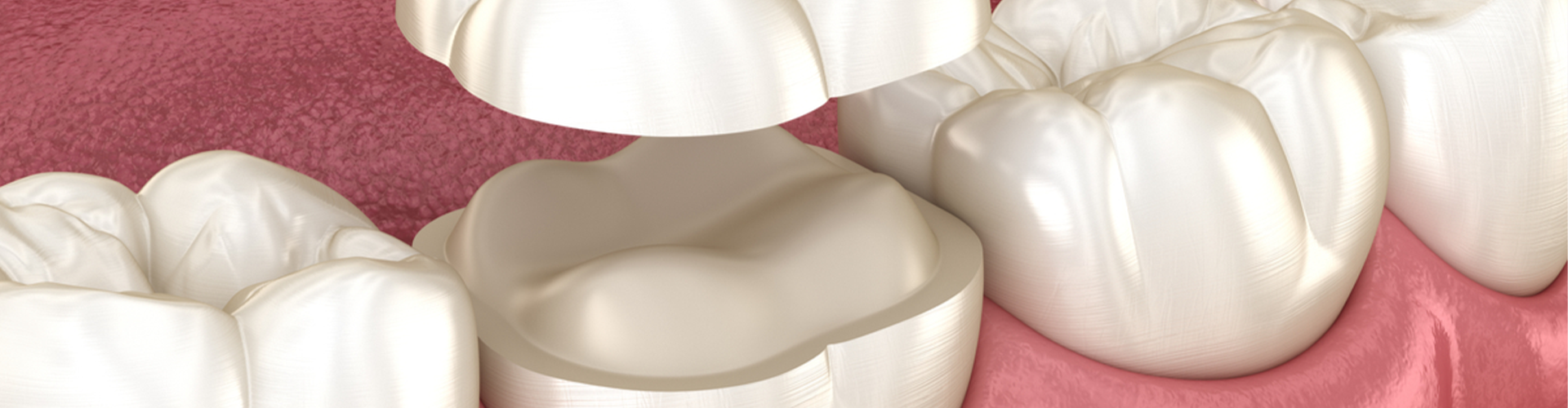
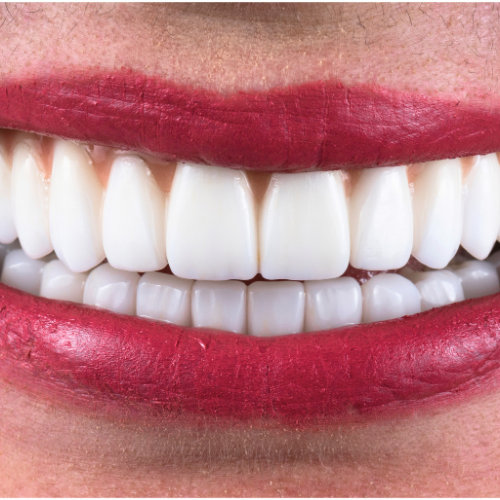
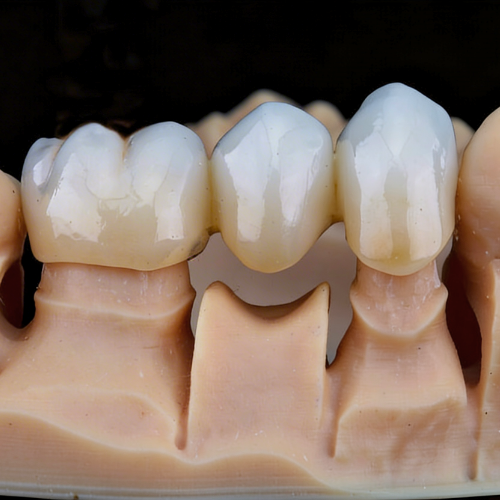
Dental decay is a widely spread dental condition affecting people of every age, from children to the elderly. It’s essential to treat the cavitated teeth as soon as possible before any complication arises. Fortunately, there are several successful methods to fill the damaged teeth in dentistry. Traditional fillings, crowns, inlays, and onlays are the most practiced restorative methods by dentists worldwide. Out of all options, we’ll be concentrating on the inlays and onlays today. What are inlays and onlays? Inlays and onlays are types of tooth restorations that can replace conventional fillings. They are recommended when the cavity is too large for a simple traditional filling. Inlays vs Onlays The only difference between the two is an onlay will cover more of the tooth than an inlay but won’t completely cover the tooth. In simple terms, an onlay just means a large inlay that covers even the chewing surface of the tooth to prevent breakage of your natural tooth. Your dentist may have to use an onlay when a regular plastic filling would start to get too big or if a crown would be far too aggressive. What does a dental inlay look like? It is possible to have a choice of the material used for the fabrication of the inlay or onlay. It may be porcelain, resin, or gold. Porcelain and resin merge with the natural tooth structure well and look the same as the natural tooth substance when they are adequately carved and polished. Gold inlays and onlays are also fabricated to look like natural teeth. However, it will stand out from the other teeth due to its color.
What is the difference between a filling and inlay? Fillings are restorations that are done directly inside the mouth without any laboratory procedure. Fillings are not custom-made. The more extensive the repair, the more the filling will be affected. Hence, they work well only when the cavity is small. A conventional filling does not solidify the tooth. It only fills the cavity in which it is placed. As time goes by, it might expand, increasing the risk of dental fracture, or even contract, increasing the possibility of decay, and considerably reducing the strength of the remaining natural structures. If by mishap the tooth is fractured below the gum, the tooth must either be extracted, or if the fracture is not too deep, a step will be added to the treatment. Therefore, it is crucial that your dentist examine all your fillings to be faultless. Conventional fillings may only last for between five or seven years. Before it is too late, it would be crucial to think of a long-term solution. For all teeth presenting a faulty restoration, your dentist can advise you of the most appropriate solution. Contrary to the conventional fillings, inlays and onlays are custom-made restorations since they are manufactured in a laboratory as a model for impressions of your trimmed tooth. No contamination or condensation is possible with inlays and onlays. Therefore, instead of weakening the remaining natural walls of the tooth, the inlay or onlay will contribute to its reinforcements. Inlays and onlays last for about twenty years if the patient’s hygiene is satisfactory and the bite is healthy. However, it’s also the dentist’s utmost responsibility to arrive at a proper diagnosis and pick up the best solution for the patient for that restoration to last, make your mouth healthier, and make your smile long-lasting. The process for getting an inlay or onlay Getting inlays or onlays done will be as simple as follows, it only takes two to three appointments to complete the entire procedure. This simple technique allows 90% of the original strength of your tooth to be recovered. In addition, it is aesthetic. First visit: Your dentist will grind down the damaged tooth making sure no trace of decay or former filling is left. Then they will take a very precise impression of the trimmed tooth and send it to the lab, where they will proceed to make the inlay or onlay. Second visit: You may discuss your choice of material with your dentist before the impression is sent to the laboratory. It can take anywhere from a week to six weeks to get it back, depending on the complexity. While the inlay or onlay is being prepared in the lab, a temporary filling will be put in. Third visit: On the last visit, the temporary filling will be replaced by the inlay or onlay. It will be cemented in place and an adjustment will be made if necessary.
Does getting an inlay hurt? You may feel a little discomfort upon receiving an inlay or an onlay due to multiple facts. The injection site may be sore for a few hours to even days. Sometimes, depending on the complexity of the case, you may also experience painful gums and tooth sensitivity for a few days post-treatment. A couple of over-the-counter painkillers will make you comfortable on these occasions, or your dentist may prescribe some medications on the visit. As well, if your new filling sits higher than your natural teeth, you might feel pain when biting down. Therefore, it’s essential to check for any high points of your filling at the dentist and get them adjusted to the correct level. It is vital to protect your temporary filling until you receive either the inlay or onlay to prevent any complications. Avoid chewing on hard or sticky food when you have the temporary filling on your tooth to prevent it from coming out and making you uncomfortable. Why should you choose inlays or onlays over crowns and fillings? The dentist may have to sacrifice a lot of natural sound tooth substance to prepare the tooth to receive a crown. Hence, inlays and onlays are much more conservative ways to preserve the sound natural tooth structure when compared to crowns. Moreover, inlays and onlays have better longevity than conventional fillings. They look more natural, beautiful, and are also easy to clean and maintain.
Fresh news from the dental world






Mon 8AM - 5PM
Tue 8AM - 5PM
Wed-Thu 8AM - 5PM
Fri 8AM - 5PM
Sat 9AM - 3PM
Sun Closed
Check out what our patients are saying in Long Beach, CA...


“Answers any questions...”
I been a patient here for over twelve years. Andrea greeted me and got my folder set up. Toni is very friendly and answers any questions you have promptly, when I always come in she greets you with a smile and makes your appointment enjoyable. Today Jovani and Dr. Joan made this experience great. I recommend this dentist for new patients.

“Clean and friendly...”
Very clean and friendly crew. I really enjoyed myself.

“My favorite dentist...”
The service here is amazing and they make you feel comfortable. I'm one of those people that hates to go to the dentist and the dentists that I went to in the past were not that great with service. Overall I found my favorite dentist service now at Long Beach Family Dentist.

“A positive experience...”
Very clean and organized office! Entire staff was pleasant and friendly, and seems interested in ensuring I had a positive experience. Will definitely return! Affordable rates.
“Answers any questions...”
I been a patient here for over twelve years. Andrea greeted me and got my folder set up. Toni is very friendly and answers any questions you have promptly, when I always come in she greets you with a smile and makes your appointment enjoyable. Today Jovani and Dr. Joan made this experience great. I recommend this dentist for new patients.
“Clean and friendly...”
Very clean and friendly crew. I really enjoyed myself.
Check out our accreditations, sources, and relationships in the wide world of dentistry...


Check us out and follow our Long Beach, CA practice on social media...