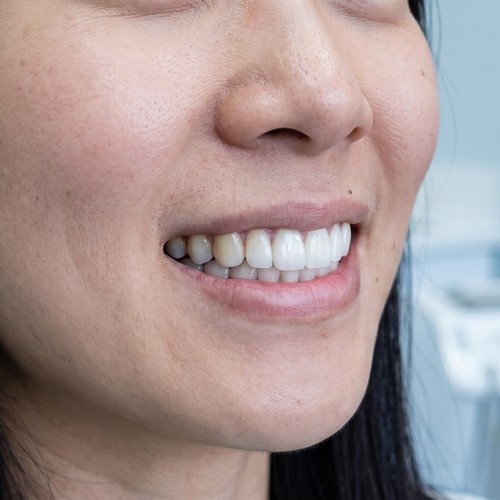
What Patients Ask Before Getting Veneers: Stains, Nightguards, and Whitening
Do veneers stain? Do you need a nightguard? Learn the facts about porcelain veneers and whitening. Schedule your consultation at Long Beach Family Dentist now!
Read More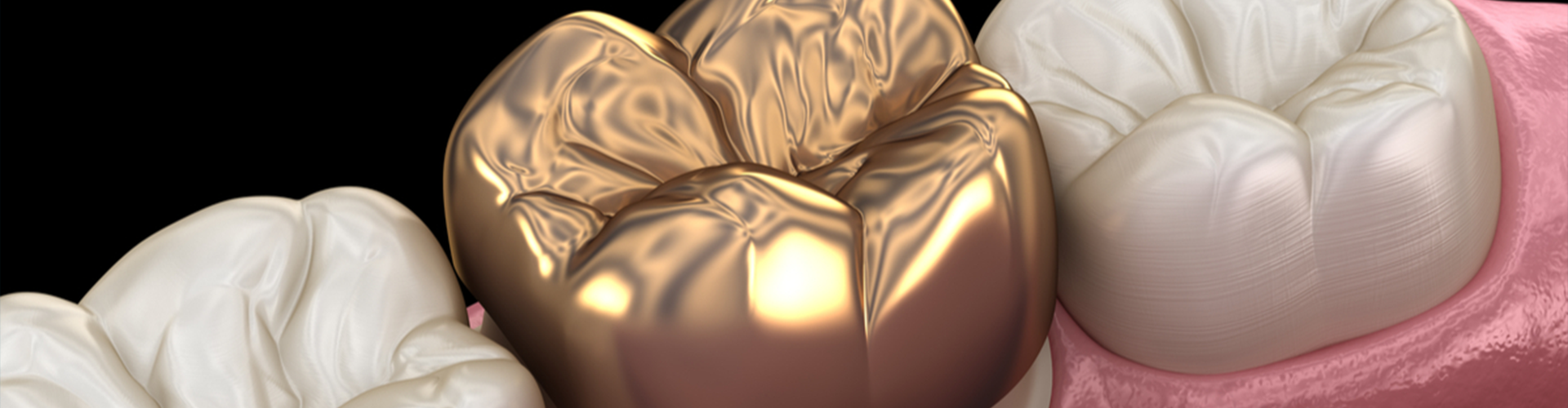
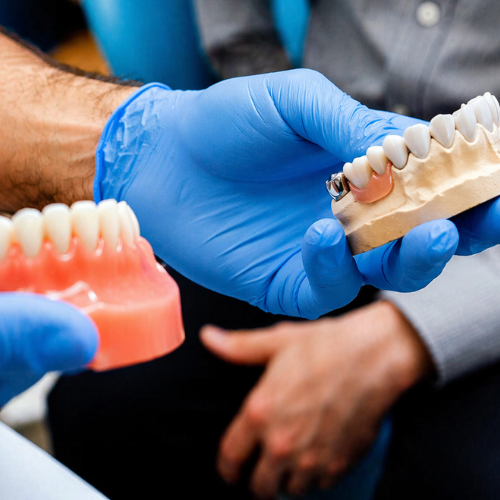
A dental crown, which in layman’s terms is also known as a tooth cap, is a dental device or prosthesis in which a dental cap that resembles the crown of the tooth is placed over the damaged tooth to reform its size and shape, to increase the strength of the tooth, and to improve its efficiency. Dental crowns are placed on the damaged tooth by the use of cement. It can either cover the whole tooth structure or only a part of the tooth that is towards the cervical line. Why Do You Need Dental Crowns? As time passes, our teeth get damaged due to interproximal wear, attritional wear that occurs during mastication, or due to any physical accident such as falling. There are many reasons why a person would want a dental crown, some of them are as follows: -Dental crowns are used to support a weak tooth that may have occurred due to dental caries -For a tooth cracked due to any physical accident -Dental crowns are also used to restore a tooth that is severely broken and also for those teeth worn down by continuous mastication -They are also used nowadays to cover a tooth that is grossly carious and not much of the tooth structure is remaining -Dental crowns also provide support to dentures or a dental bridge -They are used to cover a tooth that is very discolored -Dental crowns are also used as a cover after the dental implant is placed in the jaw -Dentists also recommend that a dental crown is required after a root canal treatment, the reason behind this is that the tooth is fragile and may fracture under great stress -Dental crowns are also used in pediatric dentistry in cases where the child’s primary teeth are severely damaged due to poor oral hygiene maintenance
What Is A Gold Dental Crown? Gold dental crowns are like any other dental crowns used in the dentistry field. Gold dental crowns are used to cover the tooth that has been damaged or is at the risk of developing an infection. Nowadays, they are used for esthetic purposes or cosmetic reasons. Gold dental crowns are more durable but less subtle than the porcelain dental crowns available. So they are merely used for decorative purposes and are very expensive. Combination Of Gold Dental Crowns With Other Alloys The combination of gold dental alloy with other dental alloys forms a strong and long-lasting dental crown. Gold crowns fall under the category of metal crowns, and you have the choice of a full gold crown or a porcelain-fused-to-metal crown. For patients wanting gold crowns, there are three options: -Non-noble alloy: They are made from less than 25% precious metals, non-noble alloy is made from nickel, chromium, and gold. -Noble alloy: They contain 25% precious metal, again, nickel, chromium, and gold. -High noble alloy: This type of crown is made from a minimum of 60% precious metals, including gold, platinum, and palladium. Advantages Of Gold Dental Crowns There are many benefits of gold dental crowns. Some of them are as follows: -They are strong and highly resistant -They last a long time if properly cared for -Less proportion of your natural tooth needs to be removed -They wear down quite slowly, just like natural enamel -They are ideal for posterior restorations (back teeth), especially second molars Disadvantages Of Gold Dental Crowns While side effects from a gold alloy crown are rare, they can affect some people. Some possible side effects include: -Redness -Swelling -Lip and mouth pain -Gum swelling and irritation -Lesions in the mouth (oral lichenoid reaction) -Allergic reactions, particularly common with gold-nickel alloys
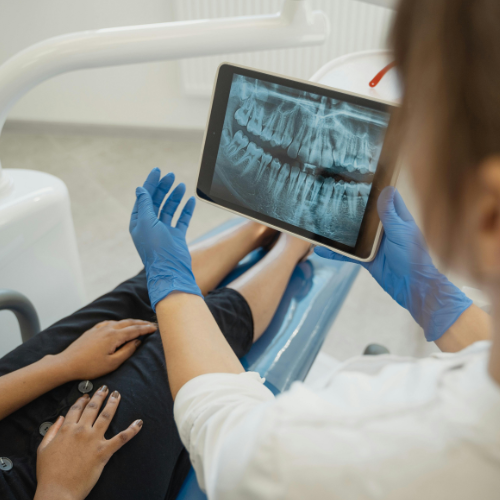
Procedure For Getting A Dental Crown Usually, two appointments with the dentist are required for getting a dental crown. The steps involved are as follows: -The first visit (preparation and examination of the tooth) During the first visit, the dentist examines the tooth that will be receiving the dental crown. X-rays are performed to look out for any kind of infection present; if present, the dentist will have to do a root canal before proceeding forward with the procedure. The tooth is prepared by filing down the top and sides of the tooth, which depends on the tooth condition or the material used. If all-metal crowns are used, only a small portion is removed, while porcelain-fused-to-metal crowns require a large part to be removed. If the tooth is severely damaged, the whole tooth is removed, and a small 'build-up' is prepared to which the crown will be cemented. After this, a paste is applied to get an impression of the tooth, which is then sent to the laboratory for about three weeks. During this time, the patient is recommended to wear a temporary crown. -The second visit (placement of the permanent crown) During this visit, the temporary crown is removed, and the permanent one is placed after matching the color and comfort. Local anesthetic is used for it, and thus it is cemented into place. Sometimes, dental crowns are also prepared on the same day if the materials are available at the dentist’s office. FAQs -Are Gold Crowns The Best? Gold dental crowns are the better option for decorative purposes and in terms of durability and strength for the tooth. They are mostly used for posterior teeth, as the anterior teeth, when replaced by gold dental crowns, are not so aesthetically pleasing. -Are Gold Crowns Safe? Gold's biocompatibility ensures that there are no adverse reactions or negative effects on the patient’s health. The crowns adapt well to the gum lines. The crowns or fillings do not cause any irritation or oral health issues. -How Long Do Gold Dental Crowns Last? Gold dental crowns have the ability to survive up to at least 20 years if oral hygiene is maintained by the patient.
Fresh news from the dental world




Mon 8AM - 5PM
Tue 8AM - 5PM
Wed-Thu 8AM - 5PM
Fri 8AM - 5PM
Sat 9AM - 3PM
Sun Closed
Check out what our patients are saying in Long Beach, CA...


“Answers any questions...”
I been a patient here for over twelve years. Andrea greeted me and got my folder set up. Toni is very friendly and answers any questions you have promptly, when I always come in she greets you with a smile and makes your appointment enjoyable. Today Jovani and Dr. Joan made this experience great. I recommend this dentist for new patients.

“Clean and friendly...”
Very clean and friendly crew. I really enjoyed myself.

“A positive experience...”
Very clean and organized office! Entire staff was pleasant and friendly, and seems interested in ensuring I had a positive experience. Will definitely return! Affordable rates.

“My favorite dentist...”
The service here is amazing and they make you feel comfortable. I'm one of those people that hates to go to the dentist and the dentists that I went to in the past were not that great with service. Overall I found my favorite dentist service now at Long Beach Family Dentist.
“Answers any questions...”
I been a patient here for over twelve years. Andrea greeted me and got my folder set up. Toni is very friendly and answers any questions you have promptly, when I always come in she greets you with a smile and makes your appointment enjoyable. Today Jovani and Dr. Joan made this experience great. I recommend this dentist for new patients.
“Clean and friendly...”
Very clean and friendly crew. I really enjoyed myself.
Check out our accreditations, sources, and relationships in the wide world of dentistry...


Check us out and follow our Long Beach, CA practice on social media...