General Dentistry
Does Gingivitis Go Away?
By Monarchy Media LLC on August 4, 2022 at 8:08 PM
Gingivitis is the inflammation of your gingival tissues. The gingiva is a soft tissue that covers the tooth's structure inside your mouth. It is frequently known as gums. The characteristics of healthy gums are pink color and firm consistency. However, these characteristics may alter with gingivitis. Gums protect the tooth and alveolar bone from any foreign invasion. It contains gingival fluids which nourish the surrounding structures and provide immune components to the tissues when needed. Gingivitis presents with a classic triad of redness, swelling, and bleeding on gentle probing. It is usually associated with a complaint by the patient that their gums bleed on brushing. Several local and general factors contribute to the risk factors of gingivitis.
Prevalence Of Gingivitis
Gingivitis can affect males and females at equal rates. However, a study has noticed higher rates of gingivitis in males than in females. A survey has estimated that around 55% of adults have gingivitis in the US, with an average of 4 to 5 teeth involved. This number may be influenced by some local and general factors. People who have subgingival calculus are more prone to gingivitis. Children, who have a family history of gingivitis, have a high risk of this disease. Regarding the location of gingivitis, the lower anterior region in your mouth is more affected than any other part of the gums.
What Are Different Risk Factors For Gingivitis?
There are some local and systemic risk factors contributing to gingivitis.
Local Factors
-Plaque and calculus
-Teeth with sharp edges
-Dental prosthesis in your mouth
-Chemical reaction of restorative materials
-Dental restoration that hides the gingiva from cleaning
-Hard tooth brushing
-Inadequate saliva in your mouth
Systemic Factors
-Dermatological diseases
-Diabetes mellitus
-Vitamin C deficiency
-Certain medications
-Hormonal changes
-Smoking
-Old age
-Certain syndromes
Signs And Symptoms Of Gingivitis
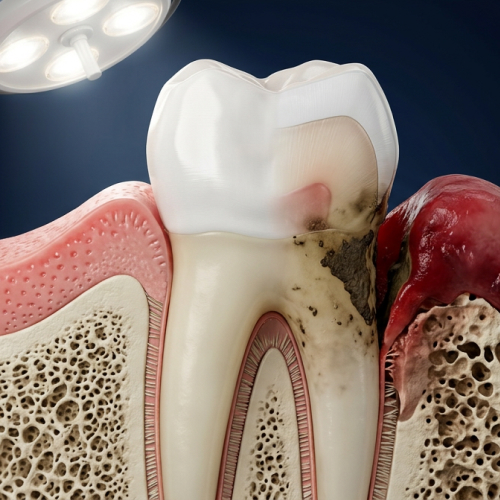
In the early stages of gingivitis, there are no obvious clinical signs. However, bleeding on probing may occur in the initial stage. The dentist diagnoses the gingivitis entirely on the clinical presentation and family history. In the advanced stage, the gingival infection may proceed to the underlying structure and cause periodontitis.
Clinical Presentations Of Gingivitis
-Swollen gingiva
-Bright red gingiva
-Gingiva bleeds easily on probing and with a toothbrush
-Bad odor from your mouth
-Gums recession which leads to tooth sensitivity
-Tender gingiva
-Poor esthetic appearance
-Gingival pocket formation
-Plaque and calculus are present around the tooth
How Do You Fix Gingivitis?
The foremost factor in fixing your gingivitis is removing the causative agents. This helps to stop the further irritations of the gingiva and get healthy gums. However, once the clinical signs establish, then intervention is needed to fix the gingivitis. Gingivitis can be resolved with the following methods.
-Scaling and Polishing; The most irritating factor for gingival inflammation is the presence of calculus on your gingival surfaces. Calculus is hard mineralized structures that can't be removed with the help of a toothbrush. Therefore you should visit a dentist to remove calculus with a scaling and polishing procedure.
-Medications; Certain medications are prescribed to reverse gingivitis. These medications include antibiotics and antiseptic drugs. Antibiotics like doxycycline and metronidazole are used for 7 to 14 days to eliminate the infection. Antiseptic drugs such as chlorhexidine mouthwash are combined with antibiotics to make the environment sterile and eliminate bacteria. In some cases, corticosteroids are also given.
-Gingivectomy; Gingivectomy is the surgical removal of your inflamed gingiva. A gingivectomy procedure is recommended for gingivitis caused by systemic diseases. The doctor removes hyperplastic tissue from your gingiva. It also enhances the aesthetic look of your gums.
Prevention Of Gingivitis
You should take proper precautions to protect yourself from this disease.
-Brush your teeth; Brush your teeth two times a day so that plaque doesn't aggregate on your teeth surface.
- Use dental floss; Dental floss is a thread-like material used to remove the food particles from interdental spaces. It decreases the rate of food impaction in your teeth.
-Visit your dentist regularly; It is very crucial to visit your dentist for a regular check-up of your gingival tissues and teeth. The dentist will diagnose any negative changes in your mouth and will recommend treatment.
-Treatment of systemic problems; The systemic abnormalities which can affect your gingival health should be addressed. Similarly, you should take a healthy diet to contribute to the health of your gum and make it free from diseases.
Does Gingivitis Go Away?
Gingivitis is a reversible condition and can go away if proper measurements are taken. Some types of gingivitis need no intervention and can resolve with time. However, in some cases, the condition requires a proper treatment framework to relieve it. Therefore, don't worry if you have gingivitis, you should follow treatment guidelines, and it will go away.
How Long Will It Take To Reverse Gingivitis?
Again it depends on the type of gingivitis. However, if you take effective treatment, it can be reversed with no complications. The recommended time for complete healing of gingivitis is about 7 to 14 days. The duration of the healing may be influenced by the causative agents involved in gingivitis. The gingivitis caused by local factors takes less time to heal and responds well to treatment. However, systemic gingivitis can be managed when there is complete resolution of the systemic diseases.
What Happens When You Leave Your Gingivitis Untreated?
If you leave your gingivitis untreated, it may proceed to the following conditions.
-Periodontitis; The bacteria advance from gingiva to periodontal tissues and cause periodontitis.
-Mobility of teeth; Gingivitis destroys your tooth's supporting structure and leads your tooth to mobility.
-Foul smell; The food aggregate in the gingival pockets produces bad smells and affects your social life.
-Carcinoma; Some cases have been reported where gingivitis turned into a cancerous condition.
-Abscess formation; The bacteria found in the gingival pockets may further the condition and cause abscess formation of your gums.