Do Veneers Stain? A Long Beach Dentist Explains What's Really Happening
Do veneers stain over time? Learn what causes discoloration, how porcelain compares to composite, and when to see a dentist in Long Beach.
Read More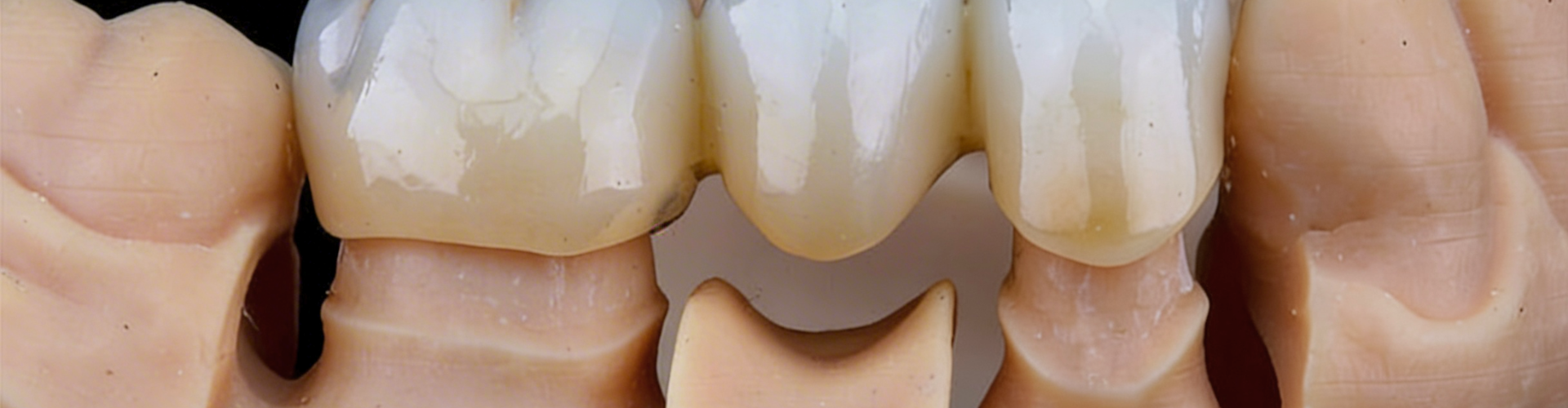
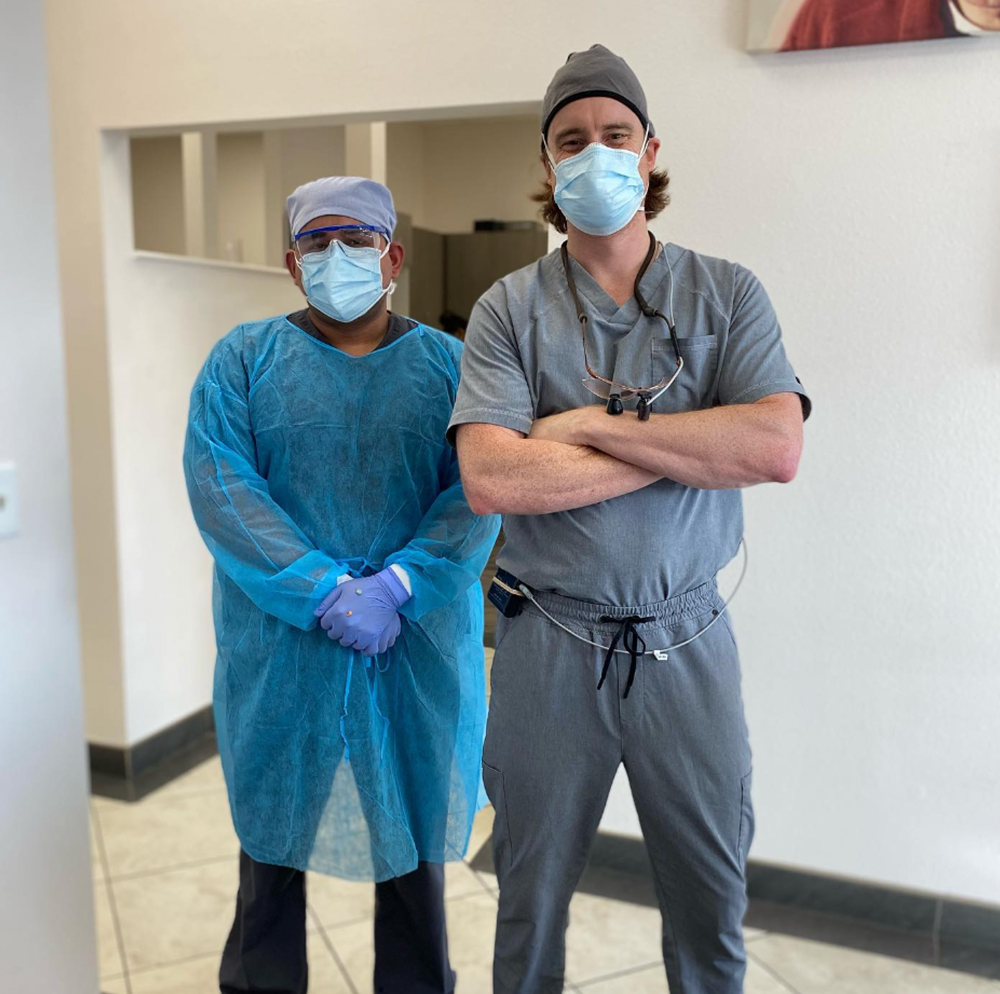
Written by Dr. Arkady Tsibel, DDS | Chief of Staff
Medically Reviewed by Dr. Peter Nguyen, DDS
Look, I've placed hundreds of dental bridges over my years practicing here in Long Beach, and the questions patients ask me haven't changed much. They're worried about the process—understandably so. A dental bridge replaces missing teeth by anchoring artificial ones to your adjacent natural teeth, and yes, it's a big decision that affects how you eat, smile, and live.
Here's the thing: most people don't realize that getting a bridge means making permanent changes to healthy teeth on either side of the gap. But the alternative—leaving that space empty—can lead to shifting teeth, bite problems, and honestly, a lot of regret down the road. I see patients in our Long Beach practice every week who wish they'd addressed their missing tooth sooner, before neighboring teeth started tilting into that empty space.
The good news? Modern bridges feel remarkably natural, last years with proper care, and restore both function and confidence. We'll walk through exactly what to expect, what your options are, and what I've learned from decades of helping patients make this choice.
Honestly, this is the question that makes people most nervous. And I get it—the idea of altering perfectly healthy teeth feels wrong at first.
For traditional dental bridges, yes, the adjacent teeth must be shaved down. We remove 1-2 millimeters of enamel from the teeth on both sides of the gap—these become "abutment teeth"—to make room for crowns that'll support the bridge. It's irreversible. This preparation is essential for the crowns to fit without bulk and to provide mechanical retention, preventing the bridge from dislodging.
But here's where it gets interesting: not all bridges require this much tooth reduction. Maryland bridges, also called resin-bonded bridges, use a different approach, according to research published by NCBI. We bond thin metal or porcelain wings to the backs of adjacent teeth with minimal to no grinding. I've placed these successfully for front teeth, particularly in cases where full crown preparation isn't ideal.
Maryland bridges work best when you've got healthy teeth with adequate enamel, when the gap is in the front where biting forces aren't as extreme, and when adjacent teeth haven't been heavily restored. However, they aren't as durable as traditional bridges; I've seen them last 10+ years, and I've seen them debond in months.
I had a patient last month who wanted to avoid shaving down her teeth at all costs. We discussed dental implants instead—these don't touch neighboring teeth because the replacement tooth sits on a titanium post surgically placed in your jawbone. Higher cost, longer timeline (several months versus a few weeks), but you preserve those adjacent teeth completely. For many patients, especially those with strong, healthy teeth flanking the gap, implants make more sense long-term.
The reality I share with Long Beach patients? Traditional bridges remain the most common solution because they're predictable, relatively affordable (typically $2,000-$5,000 for a three-unit bridge), and effective. We evaluate bone density, gum health, bite forces, aesthetics, budget, and your personal values before recommending which route to take.
Bottom line? Shaving down teeth is necessary for traditional bridges but not for Maryland bridges or implants—each has trade-offs that deserve a real conversation.
Most traditional bridges take about two to three weeks from start to finish. That's surprisingly quick, right?
Here's how it actually unfolds. At your first visit, I'll numb the area. Once you're comfortable, we reshape the abutment teeth, removing enamel to create space for the crowns. This takes maybe 30-45 minutes.
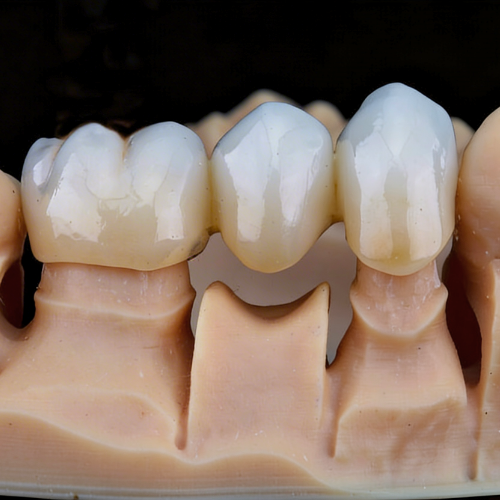
Then comes the impression. We mostly use digital scanners now, which capture 3D images of your teeth in minutes. These scans go to a dental lab where skilled technicians handcraft your custom bridge to match your natural teeth in color, shape, and translucency. You don't leave with a gap; we place a temporary bridge that protects the prepared teeth and lets you eat and smile normally while the permanent bridge is being made. This temporary stays in place for about 2-3 weeks.
Your second visit is shorter. We remove the temporary, try in the permanent bridge to check fit and color, make any small adjustments, and then cement it permanently. This appointment usually takes 30-60 minutes. You'll feel pressure during cementation but no pain.
But implant-supported bridges? Completely different timeline, as Cleveland Clinic explains. We're looking at several months minimum because after we surgically place the implants, your bone needs time to fuse with the titanium—a process called osseointegration that takes anywhere from two to six months. Only after that healing period can we attach abutments and take impressions for the bridge itself.
I had a patient last year who was getting married in eight weeks and needed a front tooth replaced. An implant wasn't an option timeline-wise, so we did a traditional bridge and got her smiling confidently for her wedding photos.
Here's what surprises people: the actual dentist time is maybe 2-3 hours total across those visits. Most of the "wait" is lab fabrication time. Some offices now have same-day crown technology that can mill a bridge in-office within hours, though I find the quality and aesthetics from a skilled lab technician still edge out what a milling machine can do for complex multi-unit bridges. The Maryland bridge timeline is similar—two visits, a few weeks—but with less tooth preparation at that first appointment.
Look, nobody's going to confuse a well-made bridge with your natural teeth at first. But give it a week or two, and most patients forget it's even there.
When you chew, a properly fitted bridge distributes force across the abutment teeth much like your original tooth did. Functionally it works. I tell patients they can eat normally: steak, apples, corn on the cob, whatever. Just avoid using your teeth as tools and be cautious with super sticky foods that can sometimes dislodge the cement.
The bigger adjustment? Flossing. This is where patients get confused and frustrated.
You can't floss between the bridge units like normal teeth because the bridge is one connected piece. Instead, you've got to thread floss under the pontic—the fake tooth that sits where your original tooth was—and clean along the gum line and around each abutment tooth. It's doable, but it requires technique and patience.
Here's what I recommend: use floss threaders or special bridge floss that has a stiff end for threading. Gently ease the floss between your gum and the underside of the pontic, then curve it in a "C" shape around each abutment tooth and slide it up and down to scrape off plaque. Do this daily—not negotiable if you want the bridge to last.
Many patients find interdental brushes easier. These tiny brushes slip under the bridge and around the abutments more intuitively than floss. Studies show they may be more effective and patients stick with them better. Water flossers have also become my go-to recommendation for bridge patients who struggle with manual flossing, according to guidance from the American Dental Association. Set the pressure around 80-90 psi and aim the stream under the pontic and around the margins where the crowns meet your natural tooth structure.
Here's the thing: if you don't clean under and around your bridge daily, plaque accumulates, your gums get inflamed, and eventually you develop decay at the margin where the crown meets your tooth. That's how bridges fail. I've removed bridges that would've lasted another decade if the patient had just cleaned them properly.
Your regular checkups matter even more with a bridge. We need to monitor the abutment teeth for decay, check the cement seal, and professionally clean areas you can't reach at home. Every six months minimum.
What about longevity? Bridges typically last 5-15 years with proper care—the wide range reflects how differently patients maintain them. I've seen bridges last 20+ years in meticulous flossers, and I've seen them fail within three years in people who ignored oral hygiene. You're investing thousands of dollars and altering permanent tooth structure; doesn't it make sense to protect that investment with five minutes of daily cleaning?
One slightly controversial opinion I'll share: I think we dentists don't spend enough time teaching proper bridge hygiene. At our Long Beach practice, we schedule a separate hygiene instruction visit after bridge placement specifically to walk through cleaning techniques step by step until the patient feels confident.
Missing teeth don't just affect your appearance—they impact how you eat, speak, and feel about yourself every single day. And the longer you wait, the more complicated (and expensive) the solution becomes as adjacent teeth shift and bone recedes.
At Long Beach Family Dentist, we've helped countless local patients navigate these decisions with clear information, multiple options, and treatment plans that fit real-world budgets and schedules. Whether a traditional bridge, Maryland bridge, or dental implant makes the most sense for your situation, we'll walk through the pros and cons honestly so you can make the choice that's right for you.
Want to know what your specific options are? Schedule a consultation. We'll do a thorough evaluation, answer your questions (seriously, we don't rush), and create a plan that gets your smile and confidence back. Call us or stop by our Long Beach office. Let's figure this out together.
Medical Disclaimer: This content is for informational purposes only and does not replace professional medical advice, diagnosis, or treatment. Always consult with a qualified healthcare provider.
Fresh news from the dental world



Mon 8AM - 5PM
Tue 8AM - 5PM
Wed-Thu 8AM - 5PM
Fri 8AM - 5PM
Sat 9AM - 3PM
Sun Closed
Check out what our patients are saying in Long Beach, CA...


“Answers any questions...”
I been a patient here for over twelve years. Andrea greeted me and got my folder set up. Toni is very friendly and answers any questions you have promptly, when I always come in she greets you with a smile and makes your appointment enjoyable. Today Jovani and Dr. Joan made this experience great. I recommend this dentist for new patients.

“Clean and friendly...”
Very clean and friendly crew. I really enjoyed myself.

“My favorite dentist...”
The service here is amazing and they make you feel comfortable. I'm one of those people that hates to go to the dentist and the dentists that I went to in the past were not that great with service. Overall I found my favorite dentist service now at Long Beach Family Dentist.

“A positive experience...”
Very clean and organized office! Entire staff was pleasant and friendly, and seems interested in ensuring I had a positive experience. Will definitely return! Affordable rates.
“Answers any questions...”
I been a patient here for over twelve years. Andrea greeted me and got my folder set up. Toni is very friendly and answers any questions you have promptly, when I always come in she greets you with a smile and makes your appointment enjoyable. Today Jovani and Dr. Joan made this experience great. I recommend this dentist for new patients.
“Clean and friendly...”
Very clean and friendly crew. I really enjoyed myself.
Check out our accreditations, sources, and relationships in the wide world of dentistry...


Check us out and follow our Long Beach, CA practice on social media...