What Patients Ask Before Getting Veneers: Stains, Nightguards, and Whitening
Do veneers stain? Do you need a nightguard? Learn the facts about porcelain veneers and whitening. Schedule your consultation at Long Beach Family Dentist now!
Read More
Visiting the dentist can be an overwhelming experience, especially when you are unsure about the kind of dental specialist you should see. It’s like finding yourself at a crossroads and wondering which path is the right one for you. This is particularly true when deciding between a general dentist and a periodontist. So, who should you see and when?
Before diving into the debate, it's crucial to understand who these professionals are, their distinct roles, and how they fit into the wider spectrum of dental healthcare.
A general dentist, also known as a family dentist, is typically the primary dental care provider for patients of all ages. They're the ones we often think of first when scheduling our routine dental check-ups. As the name suggests, general dentists are well-rounded in a broad range of dental care services and treat various oral health issues.
The services provided by a general dentist cover a wide spectrum, including but not limited to:
General dentists, in essence, are the first line of defense against oral health issues. They can diagnose and treat many problems and can refer patients to specialists when more complex care is required.
On the other side of the coin, periodontists are dental specialists with advanced training that goes beyond dental school. They specialize in the prevention, diagnosis, and treatment of diseases affecting the gums and the structures supporting the teeth – collectively known as the periodontium.
Periodontists typically deal with more severe cases of gum disease, such as periodontitis, that general dentists aren't equipped to handle. They're also skilled in performing cosmetic periodontal procedures and placing dental implants.
Here's a snapshot of what a periodontist does:
To sum it up, periodontists are the go-to professionals for complex gum issues, dental implants, and cases where the expertise of a specialist is needed.
Gingivitis, a common gum disease characterized by inflamed gums, is usually the first stage of periodontal disease. Both a general dentist and a periodontist can diagnose and treat gingivitis.
The fastest way to cure gingivitis involves a combination of professional dental treatments and diligent home care. Regular cleanings from your dentist, along with daily brushing and flossing, can do wonders for your gum health. Adding an antibacterial mouthwash to your oral hygiene routine can further help control plaque, which is the main cause of gingivitis.
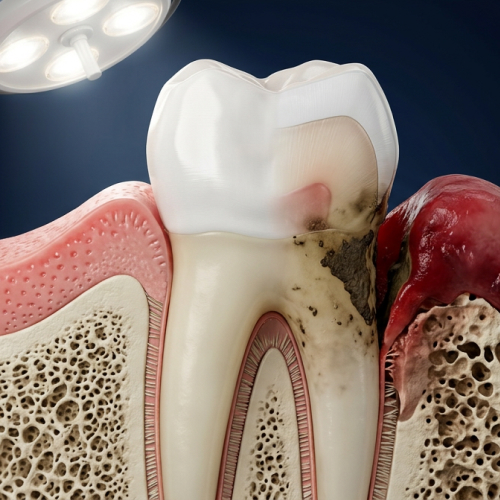
Gingivitis, if left untreated, can progress to periodontal disease, also known as gum disease. This condition can have severe consequences for both your oral and overall health.
Periodontal disease is an infection of the structures around the teeth, which includes the gums, periodontal ligament, and alveolar bone. Over time, these structures can become so damaged that your teeth may become loose, fall out, or have to be extracted.
In addition, numerous studies have found connections between untreated periodontal disease and systemic health issues like diabetes, heart disease, stroke, and even certain types of cancer. This is why it's essential to seek help as soon as you notice the warning signs, such as red, swollen, or bleeding gums, persistent bad breath, and loose teeth.
The early stage of periodontal disease, gingivitis, is indeed reversible with proper treatment and good oral hygiene. However, once the disease has advanced to more severe stages, the damage can't be reversed but can be controlled. This is where a periodontist often steps in.
Periodontists have additional years of specialized training in treating complex periodontal disease and can provide treatments not available from a general dentist. This can include deep pocket cleanings, bone grafts, and surgical procedures, among others.
Both general dentists and periodontists play crucial roles in maintaining your oral health, each contributing their unique skills and expertise. The decision to see a general dentist or a periodontist largely hinges on your specific oral health needs and circumstances.
For regular oral health maintenance, preventative care, routine check-ups, and treatments for common dental problems like cavities, toothaches, or early stages of gum disease, your general dentist is usually the go-to professional. They are well-equipped to handle a wide array of dental issues and can provide comprehensive care for most day-to-day dental needs.
However, when the issue at hand is a bit more complex, such as severe gum disease symptoms, periodontitis, or if you're considering dental implants, it's time to consider seeing a periodontist. A periodontist has undergone additional years of specialized training beyond dental school, specifically focusing on diagnosing and treating gum disease and other conditions affecting the structures supporting the teeth. They possess the knowledge, expertise, and advanced tools to effectively handle intricate periodontal cases that go beyond the usual scope of general dentistry.
Your oral health is an integral part of your overall well being. Whether you see a general dentist or a periodontist, what's important is that you're proactive and regular in your dental care routine.
Remember, the earlier you catch potential dental issues, the better your chances are of effective treatment and prevention of serious problems. So don’t wait for symptoms to worsen before you take action. If you're unsure about the state of your oral health or simply due for a check-up, we encourage you to schedule a consultation with our clinic today. Our team of experienced general dentists and periodontists are here to guide you on the best path to a healthy, radiant smile!
Fresh news from the dental world





Mon 8AM - 5PM
Tue 8AM - 5PM
Wed-Thu 8AM - 5PM
Fri 8AM - 5PM
Sat 9AM - 3PM
Sun Closed
Check out what our patients are saying in Long Beach, CA...


“Answers any questions...”
I been a patient here for over twelve years. Andrea greeted me and got my folder set up. Toni is very friendly and answers any questions you have promptly, when I always come in she greets you with a smile and makes your appointment enjoyable. Today Jovani and Dr. Joan made this experience great. I recommend this dentist for new patients.

“Clean and friendly...”
Very clean and friendly crew. I really enjoyed myself.

“A positive experience...”
Very clean and organized office! Entire staff was pleasant and friendly, and seems interested in ensuring I had a positive experience. Will definitely return! Affordable rates.

“My favorite dentist...”
The service here is amazing and they make you feel comfortable. I'm one of those people that hates to go to the dentist and the dentists that I went to in the past were not that great with service. Overall I found my favorite dentist service now at Long Beach Family Dentist.
“Answers any questions...”
I been a patient here for over twelve years. Andrea greeted me and got my folder set up. Toni is very friendly and answers any questions you have promptly, when I always come in she greets you with a smile and makes your appointment enjoyable. Today Jovani and Dr. Joan made this experience great. I recommend this dentist for new patients.
“Clean and friendly...”
Very clean and friendly crew. I really enjoyed myself.
Check out our accreditations, sources, and relationships in the wide world of dentistry...


Check us out and follow our Long Beach, CA practice on social media...