To pull or not to pull? That’s the big question when you’re dealing with a tooth that’s badly damaged, cracked, or giving you endless grief. We get it—when you’re in pain or stressed about your teeth, all you want is relief and a clear answer. But here at Long Beach Family Dentist, we’ve found that sometimes, the best solution isn’t removing the tooth… it’s saving it.
Yes, even teeth that seem like they’re beyond help can surprise you.
The truth is, every natural tooth in your mouth plays an important role. And while modern dentistry offers fantastic options like implants and bridges, nothing quite compares to your original teeth when it comes to function, feel, and long-term oral health. So when a patient comes in and asks, “Can this tooth be saved?”—we’re always rooting for a yes.
Let’s talk about what really goes into that decision, why saving your tooth might be your best bet, and what happens if you don’t take action.
How do dentists decide whether to save a tooth or extract it?
It’s not always a black-and-white answer. We consider a few key things before deciding whether to try to save a tooth or go the extraction route.
1. The condition of the tooth:
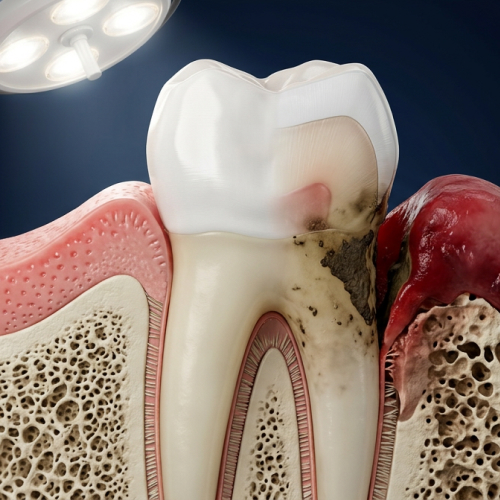
If there’s significant decay that has reached the pulp (that’s the center of the tooth where the nerves and blood vessels live), we might need to perform a root canal to remove the infected tissue. But if the structure of the tooth is still mostly intact, we can usually restore it with a crown afterward.
2. Bone support around the tooth:
Teeth rely on healthy bone and gums to stay strong. If there’s been severe bone loss due to gum disease, the tooth might be loose or unstable. That doesn’t always mean extraction is inevitable, but it’s a major factor we weigh.
3. How far the damage goes:
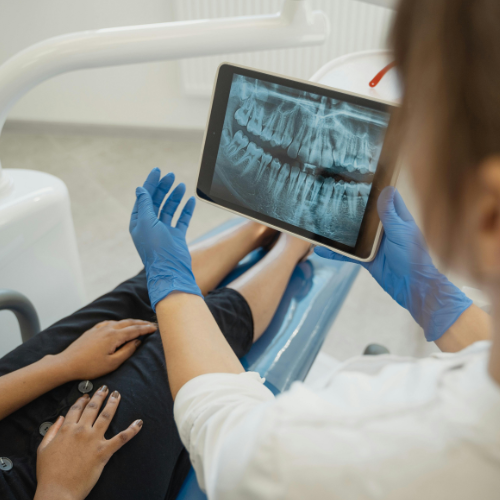
A tooth that’s cracked above the gumline? That’s often salvageable. But a vertical crack that goes below the gumline or into the root might not be. We use X-rays and clinical exams to figure out just how deep the issue goes.
4. Your overall health and lifestyle:
Believe it or not, your day-to-day habits and overall health matter. If you grind your teeth, play contact sports, or have conditions that affect healing, that can impact how well a restored tooth holds up.
When it comes down to it, we’re looking at the big picture. We’ll always walk you through the pros and cons of each option—what’s involved, how long it’ll last, and how it’ll affect your bite, smile, and comfort.
Can a cracked tooth really be saved?
Short answer: sometimes, yes. Longer answer: it depends on the type of crack and how soon we catch it.
A lot of people think a cracked tooth is a lost cause, especially when it’s painful or sensitive to chewing. But cracked teeth are tricky—some are barely visible, others run deep, and not all of them mean the tooth has to go.
Here’s the breakdown:
-
Minor surface cracks (craze lines): These are tiny and usually harmless. No treatment needed.
-
Fractured cusps: Often seen on molars, these cracks usually don’t go very deep. We can typically save the tooth with a crown.
-
Cracks that reach the pulp: If bacteria enter the pulp, a root canal might be necessary before placing a crown.
-
Vertical root fractures: These are the tough ones. If the crack extends down into the root, especially below the gumline, saving the tooth becomes less likely.
The sooner we catch a crack, the better the chances of saving the tooth. If you notice any signs—pain when biting, sensitivity to cold, or a piece of the tooth that feels loose—don’t wait it out. It’s not going to magically heal on its own (we wish it worked like that!).
The good news is that we have more tools than ever to diagnose cracks early and treat them conservatively. With modern bonding materials, crowns, and root canals, a cracked tooth doesn’t always mean a lost tooth.
What happens if I ignore a badly damaged tooth?
Let’s be honest—life gets busy. That tiny twinge in your tooth? Easy to brush off. The crack that doesn’t hurt “that much”? Tempting to ignore. But when it comes to your teeth, the longer you wait, the more complicated (and expensive) things can get.
Here’s what can happen if a damaged tooth is left untreated:
1. Infection sets in:
Bacteria love open invitations. A cracked or decayed tooth gives them the perfect entry point. Once inside the pulp, they can cause an abscess—a painful, swollen infection that can spread to your jaw or even bloodstream.
2. Tooth loss becomes inevitable:
What could’ve been saved with a simple crown or root canal might end up needing extraction if the damage worsens. Once the tooth is gone, you’re looking at replacements like bridges or implants, which are great but come with a higher price tag and longer treatment time.
3. Other teeth are affected:
One damaged tooth can throw off your whole bite. You might start chewing differently, putting stress on other teeth, which can lead to jaw pain, more wear and tear, or even damage to otherwise healthy teeth.
4. Your overall health is at risk:
Untreated dental infections have been linked to systemic issues like heart disease, diabetes complications, and more. Your mouth is connected to the rest of your body—taking care of your teeth is a big part of taking care of your health.
Bottom line: Saving a tooth isn’t just about preserving your smile—it’s about protecting your health, comfort, and confidence.
At Long Beach Family Dentist, we know every mouth is different. That’s why we take the time to talk with you, explain your options, and help you make the decision that feels right for you. No pressure. No guilt. Just honest advice backed by experience and a genuine desire to help you feel good about your dental health.
If you’re dealing with a toothache, a cracked tooth, or you’ve just been putting off that dental visit—now’s a great time to come in. We’ll take a look, let you know what’s going on, and give you clear steps on what to do next. You might be surprised at what we can save.
Let’s talk about that tooth.
Don’t wait for it to get worse. Schedule your appointment today with Long Beach Family Dentist, and let’s find the best path forward—together.