In dental health, the materials used for fillings are as crucial as the expertise of the dentist. Amalgam fillings, once the gold standard for dental restorations, are increasingly under scrutiny due to aesthetic concerns and health debates surrounding their mercury content. This blog dives into the key considerations surrounding amalgam fillings—whether they should be replaced, the safety of their removal, and the innovative alternatives available today. As dental science progresses, understanding these options becomes essential for anyone looking to maintain or enhance their oral health with the latest advancements in dental care.
Should Amalgam Fillings Be Replaced?
Amalgam fillings, commonly known as "silver fillings," have been a staple in dental restorative materials for over a century. Composed of a mixture of metals including silver, mercury, tin, and copper, amalgam has been valued for its durability and longevity. However, in recent years, the aesthetic and health concerns related to amalgam fillings have led many to question whether they should be replaced.
The primary reason for replacing amalgam fillings often relates to cosmetic preferences or the potential health risks associated with mercury content. While the American Dental Association (ADA) and the U.S. Food and Drug Administration (FDA) deem dental amalgam safe for adults and children ages six and above, some patients opt for replacements due to allergies or sensitivities to the metals used in amalgam.
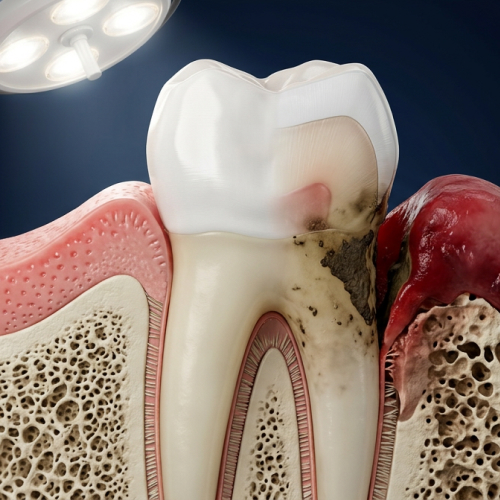
Additionally, structural issues such as cracks in the filling or surrounding tooth, or the presence of decay under the filling, can necessitate replacement. If you notice any changes in your filling such as discomfort, discoloration, or damage, it might be time to consult your dentist about your options.
Is It Safe to Have Amalgam Fillings Removed?
Safety concerns regarding the removal of amalgam fillings primarily focus on the exposure to mercury vapor released during the removal process. However, with advancements in dental techniques and technologies, dentists are well-equipped to manage and minimize these risks effectively.
Dentists use various safety protocols such as providing adequate ventilation, using rubber dams to isolate the teeth, employing high-volume evacuators to capture mercury vapors, and utilizing appropriate protective gear. These precautions ensure that the removal process is as safe as possible for both the patient and the dental team.
If your concern about amalgam fillings is growing, discussing it with your dentist can provide you with peace of mind and help you understand the safety measures in place. They can assess your specific situation and recommend the best course of action.
What Do Dentists Use Instead of Amalgam?
The shift away from amalgam has led to the widespread adoption of several advanced, aesthetically pleasing, and highly functional alternatives. As dental technology evolves, the focus has increasingly shifted towards materials that are not only effective but also enhance the appearance of one’s smile.
Composite Resins
One of the most popular alternatives to amalgam fillings are composite resins. These are favored primarily for their aesthetic qualities, as they can be closely matched to the natural color of your teeth, ensuring a seamless look. Composite resins are made from a sophisticated blend of plastic and glass mixture, which bonds directly to the tooth. This direct bonding capability supports the existing tooth structure, helping to prevent breakage and insulate the tooth from excessive temperature changes. Another benefit of composite resins is their versatility. They can be used for a variety of dental repairs, including filling cavities, repairing chipped or broken teeth, and closing gaps between teeth, making them a highly adaptable choice for restorative dentistry.
Ceramic Fillings
Ceramic fillings are another robust alternative, renowned for their strength and durability. These fillings are made from porcelain and are highly resistant to wear and staining. Unlike composite resins, ceramics are often preferred for larger restorations such as inlays, onlays, and crowns. They maintain their color over time and are less likely to show tooth discoloration compared to other filling materials. Ceramics are particularly suited for patients looking for durability along with aesthetics.
Glass Ionomer Cements
For fillings in areas not subjected to heavy chewing pressure, such as the gum line, glass ionomer cements are an excellent choice. These materials are particularly valued in pediatric dentistry and for their release of fluoride, which can help prevent further decay. Glass ionomer cements bond chemically to dental hard tissues and release fluoride for years after the treatment, providing continuous protection against cavities. This characteristic makes them ideal for fillings in younger patients whose permanent teeth are still developing.
Gold Fillings
Although less common today, gold fillings represent a durable and effective alternative to amalgam. Gold is extremely wear-resistant and can last for decades under the right conditions, which is why some people choose it for longevity. However, due to its conspicuous color and higher cost, gold is less popular among patients concerned with the natural appearance of their fillings.
Biocompatible Materials
In response to growing health concerns over traditional filling materials, there has also been a rise in the use of biocompatible materials that work harmoniously with body tissues without causing irritation or allergic reactions. These materials are carefully selected based on compatibility tests and individual patient histories, ensuring a personalized approach to dental care that prioritizes patient health and comfort.
Each of these materials has its unique set of advantages and is chosen based on the location of the filling, the extent of decay, and the patient's specific needs and preferences. Whether you are seeking a solution that focuses on aesthetics, durability, or health compatibility, modern dentistry offers a range of options to meet your needs and restore your smile effectively.
Conclusion: Schedule Your Consultation Today
Understanding your dental health options is crucial, especially when it comes to long-lasting materials like amalgam. If you have concerns about your amalgam fillings or are curious about the latest alternatives that could not only enhance your smile but also potentially improve your dental health, we are here to help.
Our team is dedicated to providing you with the safest, most effective dental treatments. Contact us today to schedule a consultation and learn more about how we can assist you in achieving a healthier, more beautiful smile. Let’s ensure your dental care meets your needs and expectations. Call us today to find out more about our amalgam replacement options!