What Patients Ask Before Getting Veneers: Stains, Nightguards, and Whitening
Do veneers stain? Do you need a nightguard? Learn the facts about porcelain veneers and whitening. Schedule your consultation at Long Beach Family Dentist now!
Read More
In the world of dental health, understanding the sensitivity of your teeth to hot and cold is essential, especially when it comes to determining the need for specific treatments like root canals. In this comprehensive blog post, we explore various aspects of dental sensitivity, unraveling the often-misunderstood connections between tooth pain, root canal procedures, and the overall health of your oral cavity. Whether you're grappling with the decision of undergoing a root canal in the absence of an infection, contemplating tooth extraction, or simply seeking to better understand your dental health options, this guide aims to provide you with insightful, expert knowledge. Let's delve into the nuances of dental care and uncover the best paths to maintaining your oral health and comfort.
Experiencing sensitivity to hot and cold can be a troubling and discomforting experience. It's a common dental concern that often leads patients to wonder if they need a root canal, particularly when there's no apparent sign of infection. This extended section of our blog will delve deeper into the complexities of dental pain and sensitivity, and how they relate to the potential need for root canal treatment.
Understanding Tooth Sensitivity
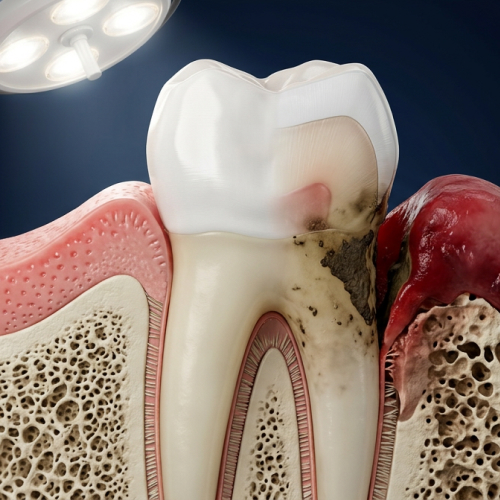
Tooth sensitivity, also known as dentin hypersensitivity, can arise from various dental issues. Exposed tooth roots, resulting from gum recession, are a primary cause. Similarly, worn tooth enamel due to aggressive brushing or acidic dietary habits can leave the dentin exposed, leading to sensitivity. Cracks in the teeth, whether visible or microscopic, can also allow temperature changes to affect the nerves inside the tooth, resulting in pain.
Causes of Tooth Sensitivity
Several factors contribute to tooth sensitivity, apart from the aforementioned ones. These include:
While these symptoms mimic those of an infected tooth, such as sharp pain when consuming hot or cold items, they don't necessarily mean that a root canal is imminent. It's essential to consult with a dental professional to determine the exact cause of sensitivity and the appropriate course of action.
In some cases, despite our best efforts, a tooth cannot be saved. These are the circumstances under which tooth extraction becomes the only viable option.
Irreversible Damage
When a tooth is extensively decayed or fractured, and the damage extends below the gum line, the chances of successful treatment with a root canal diminish. In such cases, extraction might be the only solution to prevent further complications and pain.
Alternative Treatments and Considerations
Before opting for extraction, it's important to consider all alternative treatments. A consultation with our dental office can help you understand your options, including root canals, crowns, or other restorative procedures.
Facing the decision between saving a tooth through procedures like root canals and opting for extraction can be daunting. This pivotal choice in dental care requires a thorough understanding of the implications, benefits, and potential drawbacks of each option. In this section, we'll guide you through these considerations, helping you make an informed decision about your oral health.
The Case for Saving Your Tooth
Preserving Natural Structure: The primary benefit of saving your natural tooth, whenever possible, is the preservation of your dental structure. Natural teeth are integral to maintaining proper alignment and bite, which are crucial for chewing efficiency and overall oral health.
Long-term Benefits and Functionality: A saved tooth, treated through procedures like root canals and protected with crowns, can continue to function like any other tooth. This maintains your natural smile and ensures the functionality of your bite.
Cost-Effectiveness Over Time: While the upfront cost of a root canal followed by a crown might seem higher compared to extraction, it can be more cost-effective in the long run. Preserving your natural tooth eliminates the need for more complex dental procedures like implants or bridges.
When Extraction Might Be the Better Choice
Extent of Damage: In cases where the tooth is severely damaged, decayed beyond repair, or suffering from advanced periodontal disease, extraction may be the most viable option. Saving such a tooth might not be possible, or it could lead to further dental complications.
Financial and Practical Considerations: Sometimes, the cost and complexity of saving a tooth might not align with your circumstances. In such cases, opting for an extraction followed by a dental implant or bridge can be a practical solution.
Future Oral Health: Extraction can sometimes be a proactive step to prevent future oral health issues, especially if the tooth is at high risk of infection or poses a threat to the adjacent teeth.
Making Your Decision
Consultation Is Key: Before making a decision, it's crucial to consult with our dental professionals. We can provide a comprehensive evaluation of your specific situation, discuss the potential risks and benefits of each option, and recommend the best course of action based on your oral health needs.
Personal Factors: Your decision should also consider personal factors such as your overall health, dental history, and long-term oral health goals. Our team is here to help you understand these factors and how they play into your decision.
Deciding whether to save a tooth or opt for extraction is a significant decision that should not be taken lightly. Each option has its own set of benefits and considerations, and the right choice varies depending on individual circumstances. By understanding these aspects and consulting with our dental experts, you can make an informed decision that best suits your oral health needs.
In conclusion, sensitivity to hot and cold can be a complex issue, and the decision between a root canal and extraction depends on various factors. Our dental office is here to guide you through these decisions with expert care and advice. Schedule a consultation today to explore your options and find the best solution for your dental health.
Fresh news from the dental world





Mon 8AM - 5PM
Tue 8AM - 5PM
Wed-Thu 8AM - 5PM
Fri 8AM - 5PM
Sat 9AM - 3PM
Sun Closed
Check out what our patients are saying in Long Beach, CA...


“Answers any questions...”
I been a patient here for over twelve years. Andrea greeted me and got my folder set up. Toni is very friendly and answers any questions you have promptly, when I always come in she greets you with a smile and makes your appointment enjoyable. Today Jovani and Dr. Joan made this experience great. I recommend this dentist for new patients.

“Clean and friendly...”
Very clean and friendly crew. I really enjoyed myself.

“A positive experience...”
Very clean and organized office! Entire staff was pleasant and friendly, and seems interested in ensuring I had a positive experience. Will definitely return! Affordable rates.

“My favorite dentist...”
The service here is amazing and they make you feel comfortable. I'm one of those people that hates to go to the dentist and the dentists that I went to in the past were not that great with service. Overall I found my favorite dentist service now at Long Beach Family Dentist.
“Answers any questions...”
I been a patient here for over twelve years. Andrea greeted me and got my folder set up. Toni is very friendly and answers any questions you have promptly, when I always come in she greets you with a smile and makes your appointment enjoyable. Today Jovani and Dr. Joan made this experience great. I recommend this dentist for new patients.
“Clean and friendly...”
Very clean and friendly crew. I really enjoyed myself.
Check out our accreditations, sources, and relationships in the wide world of dentistry...


Check us out and follow our Long Beach, CA practice on social media...