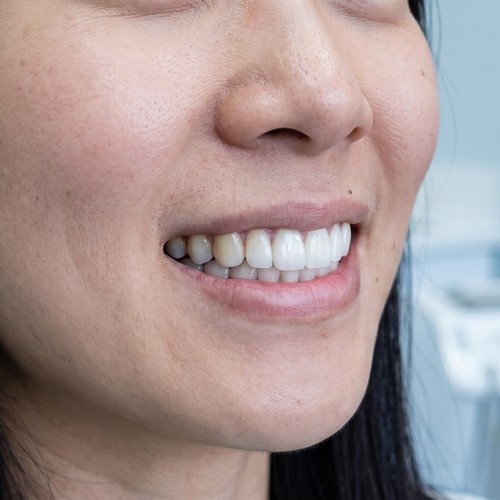
What Patients Ask Before Getting Veneers: Stains, Nightguards, and Whitening
Do veneers stain? Do you need a nightguard? Learn the facts about porcelain veneers and whitening. Schedule your consultation at Long Beach Family Dentist now!
Read More
When it comes to dental procedures, few are as misunderstood as the root canal. Often associated with discomfort, the modern root canal is a routine treatment that can save your teeth and restore your smile. Understanding the process, including the need for a dental crown and the costs involved, along with maintaining oral health naturally, can help demystify this essential dental treatment. Here’s everything you need to know.
Not every tooth that undergoes a root canal will need a crown, but it’s common for many. Teeth like molars and premolars, which endure the brunt of chewing, usually require a crown after a root canal to provide extra support and durability. Front teeth, which are not subject to the same chewing forces, might not need a crown if the tooth structure remaining is sufficient. However, each case varies, and the final decision often depends on the amount of tooth structure left after the procedure and the tooth’s position in the mouth.
The necessity of a crown post-root canal aims to protect the tooth from future damage and restore its functionality. A crown helps distribute the stress of biting and chewing and can prevent the treated tooth from breaking. Your dentist will evaluate the structural integrity of the tooth post-procedure to determine if a crown is necessary.
Discussing the costs associated with root canals and crowns without specific figures can still offer a broad understanding of what you might expect to invest. The financial commitment often varies significantly based on several factors. These include the complexity of your specific dental issue, which tooth is affected, and where you are located. For instance, dental services in urban centers typically cost more than those in rural areas due to higher operational costs.
The type of professional performing the procedure also plays a crucial role in determining the price. An endodontist, who specializes in such treatments, might charge more than a general dentist. The extra cost reflects their specialized expertise and equipment, which can be particularly beneficial for complicated cases or teeth with multiple canals like molars.
Molars and premolars usually require more extensive work due to their multiple roots and canals, making root canal therapy on these teeth generally more expensive than on front teeth. The complexity of reaching and treating all the tiny canals within these teeth adds to the procedure's time and intricacy.
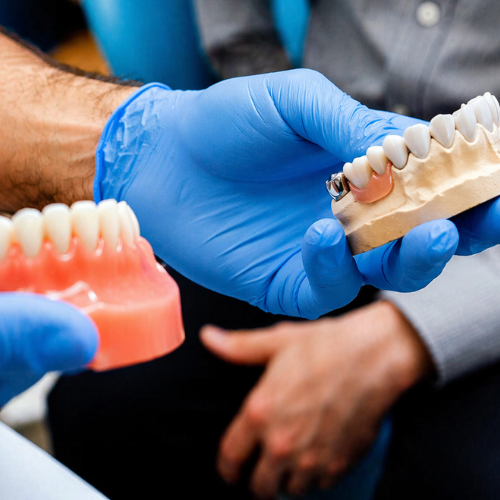
Adding a crown after a root canal further impacts the cost. Crowns are often necessary to restore a tooth's shape, size, and function, particularly for teeth that endure considerable biting force. The material chosen for the crown—whether gold, porcelain, or ceramic—also affects the price, with gold being typically the most expensive option due to its durability and less tooth structure requirement.
It’s also important to consider the role of dental insurance in managing these costs. Many insurance plans cover a significant portion of root canal therapies and crowns, subject to annual limits and policies' specifics. However, coverage can vary widely, so it's crucial to review your insurance benefits to understand what portion of the treatment you might be responsible for financially.
To obtain the most accurate estimation of what a root canal and crown might cost you, and to understand better how your dental insurance might offset these expenses, scheduling a consultation with your dental care provider is advisable. This step not only helps in financial planning but ensures that you are prepared for the investment in your dental health.
Maintaining dental health naturally complements regular dental visits beautifully, providing a strong foundation for a healthy mouth and body. Here are some effective, holistic strategies to bolster your oral hygiene regimen:
Maintain a Balanced Diet
What you eat has a profound impact on your oral health, not just your general well-being. Incorporating a diet rich in vegetables, fruits, and whole grains can boost your body's health and fortify your teeth and gums. Vegetables and fruits, for example, offer vitamins and minerals crucial for the maintenance of healthy gums, while dairy products can provide calcium and phosphates that strengthen teeth. Avoiding or reducing sugar intake is critical as sugars are the primary culprits behind tooth decay. Bacteria in your mouth consume these sugars, producing acids that erode tooth enamel.
Proper Oral Hygiene
Effective oral hygiene is the cornerstone of dental health. Brushing at least twice a day with fluoride toothpaste helps remove food particles and plaque, the sticky film that forms on teeth and gums and can lead to decay. Fluoride is vital as it helps remineralize tooth surfaces and prevent cavities. Flossing daily is equally important as it removes debris from between teeth and under the gumline, areas where a toothbrush can't reach. Also, consider using an antimicrobial or fluoride mouthwash to further reduce bacteria that cause plaque and gum disease. Remember to replace your toothbrush every three months or sooner if the bristles become frayed, as worn-out brushes are less effective at cleaning your teeth.
Regular Dental Checkups
While practicing good oral hygiene at home is essential, regular visits to your dentist for professional cleanings and check-ups are indispensable. These visits allow dentists to monitor your oral health, perform a thorough cleaning to remove tartar build-up, and provide treatments like fluoride applications or dental sealants if necessary. Early detection and treatment of problems like tooth decay or gum disease can save more extensive and costly treatments later.
Stay Hydrated
Drinking plenty of water is beneficial for your overall health and helps keep your mouth clean. Water rinses away food particles and residues that cavity-causing bacteria might otherwise feast on. It also helps maintain saliva production, which is critical as saliva naturally neutralizes acid and helps wash away bacteria and food particles.
Avoid Harmful Habits
Steer clear of tobacco products and excessive alcohol consumption, as these can contribute to gum disease and oral cancer. Chewing on hard objects like ice, hard candies, or popcorn kernels can also risk breaking teeth or damaging enamel.
Use Dental Products Wisely
Consider products like sugar-free gum to stimulate saliva flow, which helps protect against tooth decay by neutralizing acids produced by bacteria in your mouth and washing away food particles. Additionally, using dental products containing xylitol, a sugar alcohol with decay-preventing properties, can be beneficial.
By integrating these practices into your daily routine, you not only enhance your oral health but also decrease the likelihood of needing invasive procedures like root canals. Remember, prevention is always better than cure when it comes to dental health.
Understanding the intricacies of root canal treatment and the potential for additional procedures like dental crowns can make the experience less daunting. If you think you might need a root canal or have been putting off dental work, don’t wait any longer. Our team is here to provide expert care in a comfortable setting.
Call us today to schedule your appointment and take the first step towards a healthier, happier smile. Whether it’s for a routine check-up or a specific procedure, we’re here to ensure your dental health is the best it can be.
Fresh news from the dental world




Mon 8AM - 5PM
Tue 8AM - 5PM
Wed-Thu 8AM - 5PM
Fri 8AM - 5PM
Sat 9AM - 3PM
Sun Closed
Check out what our patients are saying in Long Beach, CA...


“Answers any questions...”
I been a patient here for over twelve years. Andrea greeted me and got my folder set up. Toni is very friendly and answers any questions you have promptly, when I always come in she greets you with a smile and makes your appointment enjoyable. Today Jovani and Dr. Joan made this experience great. I recommend this dentist for new patients.

“Clean and friendly...”
Very clean and friendly crew. I really enjoyed myself.

“A positive experience...”
Very clean and organized office! Entire staff was pleasant and friendly, and seems interested in ensuring I had a positive experience. Will definitely return! Affordable rates.

“My favorite dentist...”
The service here is amazing and they make you feel comfortable. I'm one of those people that hates to go to the dentist and the dentists that I went to in the past were not that great with service. Overall I found my favorite dentist service now at Long Beach Family Dentist.
“Answers any questions...”
I been a patient here for over twelve years. Andrea greeted me and got my folder set up. Toni is very friendly and answers any questions you have promptly, when I always come in she greets you with a smile and makes your appointment enjoyable. Today Jovani and Dr. Joan made this experience great. I recommend this dentist for new patients.
“Clean and friendly...”
Very clean and friendly crew. I really enjoyed myself.
Check out our accreditations, sources, and relationships in the wide world of dentistry...


Check us out and follow our Long Beach, CA practice on social media...