When Bleeding Gums Are a Sign of Something More Serious
Learn the signs of periodontal disease, treatment options, and when to visit Long Beach Family Dentist for gum care.
Read More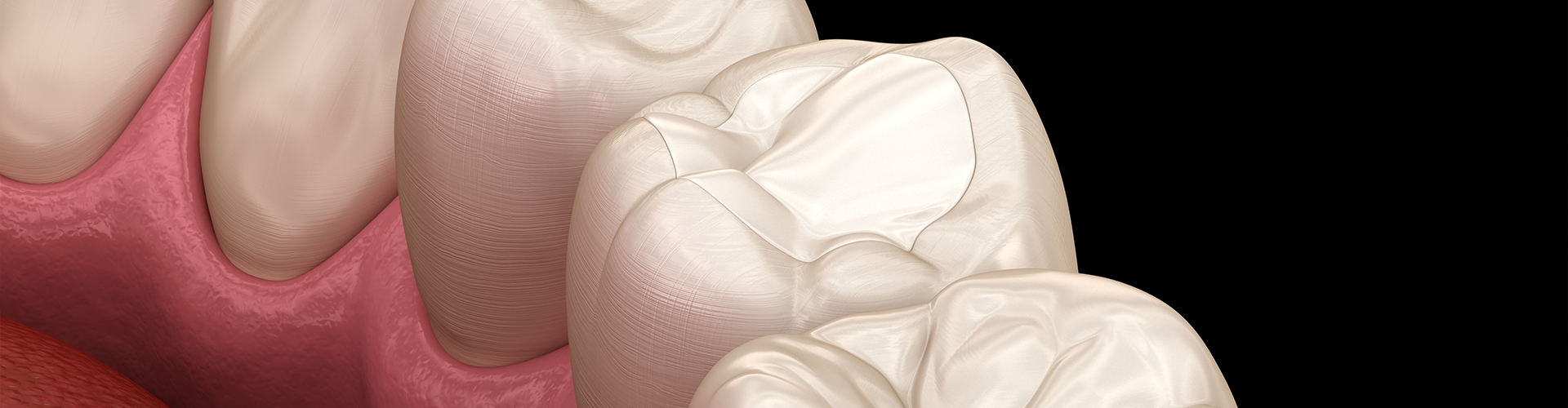
Getting a dental filling isn't exactly the stuff of bucket lists. But if you've ever had a cavity, cracked tooth, or even just a bit of sensitivity, chances are a filling may be part of the fix. And while we get that it’s not the most glamorous topic, hear us out—it’s more interesting than you’d think.
At Long Beach Family Dentist, we’ve filled everything from tiny chips to deep cavities, and one thing we know for sure: not all fillings are created equal. In fact, the type of filling you choose can make a difference in how your smile looks, feels, and functions for years to come.
So let’s break down the choices—not like a lecture, but like a conversation you’d have with a dentist who genuinely cares about your smile and wants you to feel confident about your options.
There are four main types of dental fillings you’ll hear us talk about: composite, amalgam, ceramic, and gold. Each has its place in dentistry, and depending on where the filling is going and what matters most to you—like appearance, durability, or cost—some options may suit you better than others.
Composite Fillings (Tooth-Colored): These are our most requested fillings, especially for visible teeth. Composite is a resin-based material that blends beautifully with your natural enamel. It’s shaped directly into the cavity, cured with a special light, and polished to a smooth finish. They’re great for small to medium cavities and perfect for patients who value a natural look.
Pros: Matches tooth color, bonds directly to the tooth, minimal drilling needed.
Cons: Less durable than other options on back teeth, may stain over time.
Amalgam Fillings (Silver): Amalgam fillings have been around for over a century—and for good reason. They’re strong, affordable, and reliable, especially for molars that do the heavy lifting when you chew. That said, they’re not discreet, so they’re usually used in back teeth where aesthetics aren’t a major concern.
Pros: Long-lasting, budget-friendly, strong under pressure.
Cons: Noticeable silver color, contains a small amount of mercury (though considered safe by the ADA).
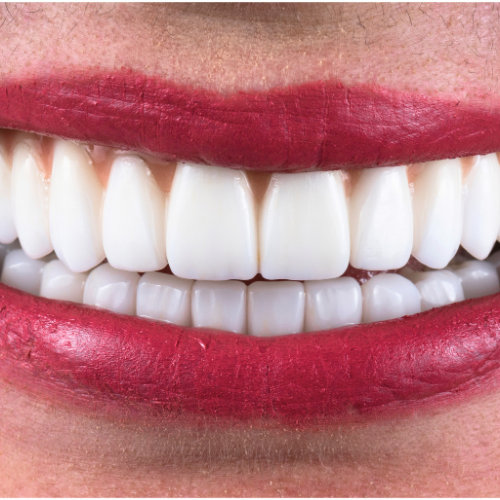
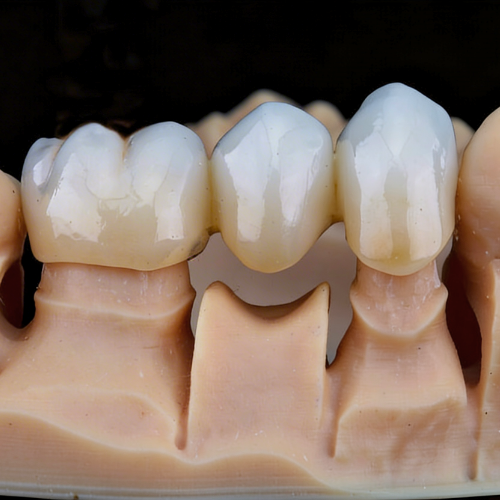
Ceramic Fillings (Porcelain): These are high-end fillings typically made in a lab and bonded to the tooth like an inlay or onlay. They’re stain-resistant and look incredibly natural, making them a favorite for people who want the best of both worlds—durability and aesthetics.
Pros: Long-lasting, highly aesthetic, resists staining.
Cons: Higher cost, may require more than one visit.
Gold Fillings: Yes, real gold. These are the royalty of fillings—strong, incredibly durable, and surprisingly kind to opposing teeth. While not as common today due to their cost and appearance, some patients still prefer them for back teeth.
Pros: Lasts 15–30 years, extremely strong, biocompatible.
Cons: Very noticeable, expensive, requires two visits.
Great question—and one we answer all the time. The best filling for you depends on a few things:
1. Where the cavity is.
If it’s on a front tooth, we almost always recommend composite for its natural appearance. For molars, we may suggest a stronger material like amalgam or ceramic, depending on your bite.
2. How big the cavity is.
Smaller cavities give us more flexibility. But when a tooth has significant decay or damage, we might need to consider a ceramic or even a crown rather than a traditional filling.
3. Your budget and insurance coverage.
We always try to work within your means and insurance plan. While composite is often covered by insurance, ceramic and gold fillings might require more out-of-pocket cost.
4. Your personal preferences.
Some patients want the most discreet look possible, while others just want something that’ll last 20 years with no fuss. We’re here to help you weigh those priorities and choose accordingly.
5. Your oral habits.
Are you a grinder? Do you love super hard or sticky foods? These habits can affect how long a filling lasts and what material is ideal. For heavy chewers or grinders, we may steer you toward more durable options.
At Long Beach Family Dentist, we don’t believe in one-size-fits-all treatment. We take the time to walk you through the pros and cons of each filling type, using actual images (not stock photos!) and honest feedback to help you feel good about your decision.
The good news? Getting a filling is way less scary than it sounds. We know there’s some lingering fear around dental work, but technology and gentle techniques have made fillings quick and relatively pain-free.
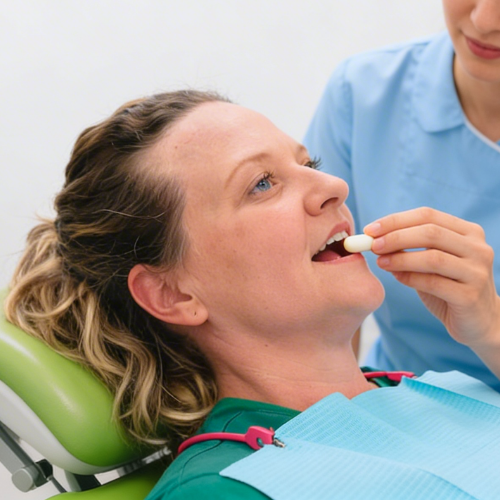
Does it hurt? You might feel a tiny pinch from the numbing injection—but that’s about it. Once you're numb, you shouldn’t feel any pain, just some pressure and vibration. And if you're nervous, let us know—we're here to make you as comfortable as possible, even if that means extra numbing or a little more time to talk things through.
After the numbness wears off, it’s normal to feel a bit of sensitivity for a day or two. If you're experiencing pain that sticks around, it’s important to give us a call.
Composite: About 5–10 years
Amalgam: Around 10–15 years
Ceramic: 10–20 years
Gold: Up to 30 years or more
Of course, how you care for your teeth plays a big role. Good brushing and flossing habits, regular checkups, and avoiding habits like biting ice or opening packages with your teeth (yes, we’ve seen it!) all help your fillings go the distance.
Choosing the right filling is just one part of keeping your teeth strong and healthy. Whether you’re dealing with a new cavity, an old filling that needs replacing, or just want to ask a few questions—we’re here for all of it.
At Long Beach Family Dentist, we believe in taking care of people, not just teeth. That means helping you feel informed, relaxed, and totally in control of your dental decisions. No judgment. No pressure. Just honest advice and great care.
Ready to take care of that tooth? Schedule your appointment today and let’s keep your smile in great shape—one (comfortable, no-fuss) filling at a time.
Fresh news from the dental world





Mon 8AM - 5PM
Tue 8AM - 5PM
Wed-Thu 8AM - 5PM
Fri 8AM - 5PM
Sat 9AM - 3PM
Sun Closed
Check out what our patients are saying in Long Beach, CA...


“Answers any questions...”
I been a patient here for over twelve years. Andrea greeted me and got my folder set up. Toni is very friendly and answers any questions you have promptly, when I always come in she greets you with a smile and makes your appointment enjoyable. Today Jovani and Dr. Joan made this experience great. I recommend this dentist for new patients.

“Clean and friendly...”
Very clean and friendly crew. I really enjoyed myself.

“A positive experience...”
Very clean and organized office! Entire staff was pleasant and friendly, and seems interested in ensuring I had a positive experience. Will definitely return! Affordable rates.

“My favorite dentist...”
The service here is amazing and they make you feel comfortable. I'm one of those people that hates to go to the dentist and the dentists that I went to in the past were not that great with service. Overall I found my favorite dentist service now at Long Beach Family Dentist.
“Answers any questions...”
I been a patient here for over twelve years. Andrea greeted me and got my folder set up. Toni is very friendly and answers any questions you have promptly, when I always come in she greets you with a smile and makes your appointment enjoyable. Today Jovani and Dr. Joan made this experience great. I recommend this dentist for new patients.
“Clean and friendly...”
Very clean and friendly crew. I really enjoyed myself.
Check out our accreditations, sources, and relationships in the wide world of dentistry...


Check us out and follow our Long Beach, CA practice on social media...