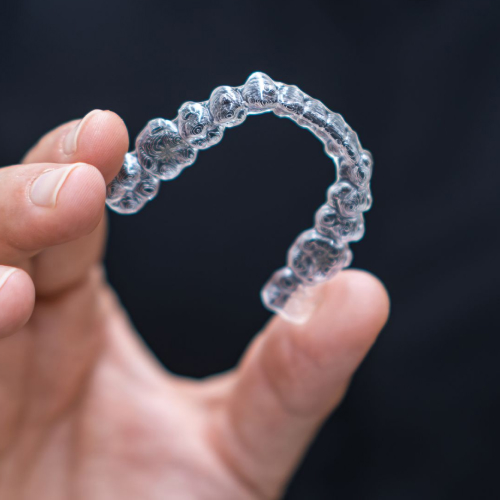
Why Your Invisalign Trays Aren't Fitting — And What to Do About It
Invisalign trays not fitting right in Long Beach? Learn why gaps happen, what tracking means, and when refinements are needed. Get answers from our dental team.
Read More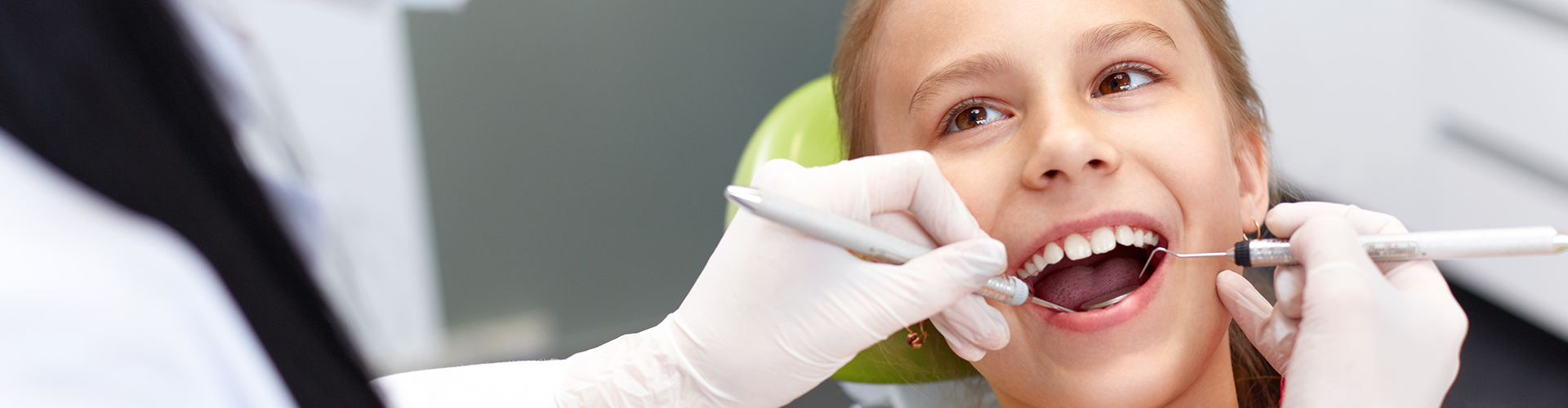
Ensuring your child's dental health is a crucial part of their overall well-being. With advancements in pediatric dentistry, the experience of visiting a dentist has evolved significantly. This blog explores the ideal age for a child's first dental visit, the latest technologies in pediatric dentistry, and how these innovations are shaping the future of children's dental care.
The journey to a healthy smile begins early. The American Academy of Pediatric Dentistry recommends that a child's first dental visit should be scheduled by their first birthday or within six months after their first tooth erupts. This early start is crucial for several reasons:
The field of pediatric dentistry is continuously evolving with groundbreaking technologies, each designed to enhance the dental experience and care for our youngest patients. Here's an in-depth look at some of the latest advancements:
Digital X-rays: Digital X-rays mark a significant leap from traditional film x-rays. They are not only safer, reducing radiation exposure by up to 90%, but they also offer instantaneous results. This speed and efficiency are vital in pediatric dentistry, where keeping children still for extended periods can be challenging. The enhanced image quality of digital X-rays provides dentists with more detailed and accurate diagnostic information, allowing for early detection and intervention of dental issues.
Laser Dentistry: Laser dentistry is a revolutionary approach in pediatric dental care. It uses focused light beams to perform various dental procedures, making them less invasive and more comfortable for young patients. This technology is particularly beneficial in treating tooth decay, gum disease, and in performing frenectomies, often without the need for local anesthesia. Lasers minimize bleeding, reduce the risk of infection, and promote faster healing, making them an excellent choice for children who may be anxious about dental treatments.
Virtual Reality (VR): Virtual Reality (VR) in pediatric dentistry is a game-changer for patient experience. By wearing VR headsets, children are transported to a virtual world, which helps in reducing anxiety and discomfort during dental procedures. Whether it's exploring underwater worlds or engaging in interactive games, VR provides an effective distraction, making time in the dental chair pass quickly and pleasantly.
Intraoral Scanners: These devices are transforming the experience of getting dental impressions. Unlike the traditional method of using a physical mold that can be uncomfortable and trigger a gag reflex, intraoral scanners are quick, comfortable, and highly accurate. This technology is especially beneficial for orthodontic treatments in children, allowing for a more pleasant experience while ensuring precise fittings for orthodontic devices.
Teledentistry: Teledentistry has emerged as a vital tool, especially in the wake of the pandemic. It allows for remote consultations, making dental care more accessible. Parents can seek advice and preliminary diagnoses for their children's dental issues without leaving home. This technology is particularly beneficial for follow-up appointments or for discussing dental care plans, saving time and resources for families.
3D Printing: 3D printing technology is making strides in pediatric dentistry by allowing for the rapid production of dental restorations, orthodontic devices, and even replicas of patients' mouths for planning surgical procedures. This technology not only speeds up the treatment process but also enhances the accuracy and customization of dental devices, ensuring a better fit and more effective treatment outcomes.
These technological advancements in pediatric dentistry not only improve the quality of care but also make dental visits more enjoyable and less intimidating for children. By embracing these innovations, our dental office is at the forefront of offering advanced, child-friendly dental care.
The integration of technology in pediatric dentistry has a profound and multifaceted impact, revolutionizing the way dental care is delivered to children. Here's a closer look at these transformative effects:
Enhanced Comfort: Modern pediatric dentistry prioritizes the comfort and ease of young patients. Technologies like laser dentistry are at the forefront of this change. Unlike traditional methods, laser dentistry often eliminates the need for drills and injections, making the dental experience less intimidating. The precise nature of lasers means less discomfort during and after procedures, leading to quicker recovery times. Additionally, noise-reducing headphones and chairside entertainment systems have been introduced to create a more relaxing atmosphere, helping to soothe young patients' nerves.
Improved Accuracy: The use of advanced imaging technologies, such as digital X-rays and intraoral cameras, allows for more accurate and detailed views of the teeth and gums. This precision is crucial, especially in pediatric dentistry, where the structures are smaller and require detailed attention. These technologies facilitate early detection of issues like cavities, misalignments, and gum disease, often before they become visible to the naked eye. Early intervention is key in preventing more severe dental problems down the line.
Educational Tools: In the age of digitalization, educating children about dental hygiene has taken a creative and interactive turn. Dental offices now often use apps and games that teach children about brushing, flossing, and general oral care in an engaging manner. This interactive approach not only educates but also motivates children to take an active interest in their dental health. Additionally, augmented reality (AR) experiences can simulate dental procedures or show the effects of good and poor oral hygiene, providing a powerful visual and interactive learning experience.
Customized Treatment Plans: With the advent of 3D printing and digital modeling, dentists can now create precise and personalized treatment plans. For example, orthodontic treatments can be tailored with 3D-printed aligners that fit perfectly to a child’s dentition. This customization ensures more effective and efficient treatment outcomes.
Reduced Anxiety: For many children, fear of the dentist can be a significant barrier to receiving proper dental care. Advanced technologies, such as virtual reality headsets, provide an immersive experience that can distract and relax children during procedures. By creating a virtual environment that captures their attention, these tools help reduce anxiety and fear associated with dental visits.
In our dental office, we embrace these technological advancements, ensuring your child receives the best possible care in a comfortable, child-friendly environment. We continuously update our practice with the latest in dental technology, aiming to make each visit a positive and impactful experience for your child. By integrating these cutting-edge technologies into our dental care approach, we not only enhance the quality of treatment but also foster a lifelong positive attitude towards dental health in our young patients.
At Long Beach Family Dentist, we're committed to providing exceptional pediatric dental care. Our state-of-the-art technology, combined with a compassionate approach, ensures a positive experience for both you and your child. Don't wait to start your child on the path to a healthy smile. Contact us today to schedule their first appointment.
Fresh news from the dental world





Mon 8AM - 5PM
Tue 8AM - 5PM
Wed-Thu 8AM - 5PM
Fri 8AM - 5PM
Sat 9AM - 3PM
Sun Closed
Check out what our patients are saying in Long Beach, CA...


“My favorite dentist...”
The service here is amazing and they make you feel comfortable. I'm one of those people that hates to go to the dentist and the dentists that I went to in the past were not that great with service. Overall I found my favorite dentist service now at Long Beach Family Dentist.

“Clean and friendly...”
Very clean and friendly crew. I really enjoyed myself.

“Answers any questions...”
I been a patient here for over twelve years. Andrea greeted me and got my folder set up. Toni is very friendly and answers any questions you have promptly, when I always come in she greets you with a smile and makes your appointment enjoyable. Today Jovani and Dr. Joan made this experience great. I recommend this dentist for new patients.

“A positive experience...”
Very clean and organized office! Entire staff was pleasant and friendly, and seems interested in ensuring I had a positive experience. Will definitely return! Affordable rates.
“My favorite dentist...”
The service here is amazing and they make you feel comfortable. I'm one of those people that hates to go to the dentist and the dentists that I went to in the past were not that great with service. Overall I found my favorite dentist service now at Long Beach Family Dentist.
“Clean and friendly...”
Very clean and friendly crew. I really enjoyed myself.
Check out our accreditations, sources, and relationships in the wide world of dentistry...


Check us out and follow our Long Beach, CA practice on social media...