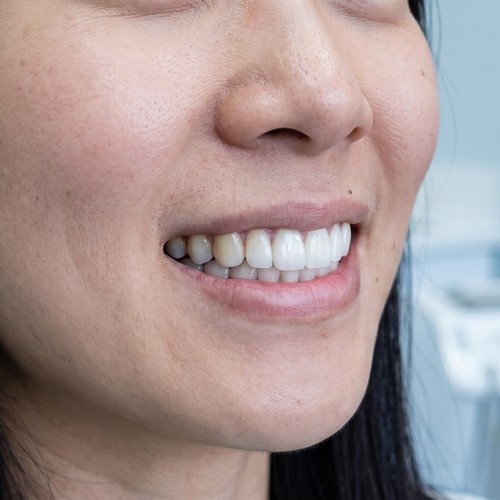
What Patients Ask Before Getting Veneers: Stains, Nightguards, and Whitening
Do veneers stain? Do you need a nightguard? Learn the facts about porcelain veneers and whitening. Schedule your consultation at Long Beach Family Dentist now!
Read More
When it comes to maintaining optimal oral health, certain procedures stand out for their effectiveness and necessity. Scaling and root planing, a common yet often misunderstood dental treatment, is one such procedure. In this blog, we'll explore some frequently asked questions about scaling and root planing, helping you understand what it entails, its benefits, and what to expect. Your dental health is paramount, and being informed is the first step towards maintaining a bright, healthy smile.
One of the most common concerns about scaling and root planing is whether the procedure is painful. It's understandable to feel anxious about dental treatments, but here's some reassuring news: Scaling and root planing, when performed by skilled dental professionals, is typically not a painful experience.
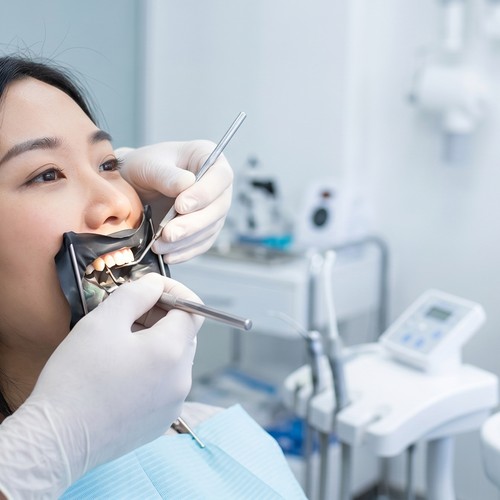
During the procedure, your dentist or dental hygienist will use specialized tools to carefully remove plaque and tartar from below the gum line and smooth out the roots of your teeth. This is done to eliminate bacteria and provide a clean, smooth surface for your gums to reattach to your teeth.
To ensure your comfort, local anesthesia is often used to numb the area being treated. This means you shouldn't feel any pain during the procedure. Some patients may experience slight discomfort or sensitivity afterward, but this is usually mild and temporary.
Understanding what follows after a scaling and root planing procedure is crucial for your comfort and the success of the treatment. While this is a routine dental procedure, it's natural to have concerns about the recovery process and how to best care for your oral health afterward.
Immediately after the procedure, it’s common to experience some mild discomfort or sensitivity in your teeth and gums. This is a normal reaction to the deep cleaning process, as your gums may be slightly irritated due to the removal of plaque and tartar. To alleviate any discomfort, your dentist may recommend over-the-counter pain relievers such as ibuprofen or acetaminophen, following the dosage instructions carefully.
In addition to sensitivity, you might notice slight bleeding or swelling in the gums. This is typically not a cause for concern and should lessen within a few days. Applying a cold compress to the outside of your face in the treated area can help reduce swelling and provide relief. It’s important to follow your dentist's specific instructions in this regard, as they may have additional advice based on your individual case.
During the first few days post-procedure, dietary adjustments are often recommended. Opt for soft foods that require minimal chewing, such as yogurt, applesauce, and mashed potatoes. Avoid hard, sticky, or crunchy foods that might irritate your gums. Similarly, steering clear of extremely hot or cold beverages can prevent aggravating any sensitivity you may be experiencing.
Maintaining good oral hygiene after scaling and root planing is vital for your recovery and overall dental health. However, be gentle with your teeth and gums during this period. Your dentist will likely suggest a special mouthwash to help keep the area clean and reduce any risk of infection. When brushing and flossing, use a soft-bristled toothbrush and be gentle to avoid causing further irritation to your gums.
You'll also be advised to avoid smoking and alcohol consumption as these can hinder the healing process. Smoking, in particular, can be detrimental as it negatively impacts blood flow to the gums, which is essential for healing.
Follow-up care is an essential part of the treatment. Your dentist will schedule a post-procedure appointment to check on the healing process and ensure that your gums are responding well to the treatment. This is also an opportunity for you to discuss any concerns or issues you may have encountered during your recovery.
While you can expect some mild discomfort and sensitivity following scaling and root planing, these symptoms are manageable and temporary. By following your dentist's recommendations and maintaining good oral hygiene, you can ensure a smooth and swift recovery, paving the way for healthier gums and a happier smile.
Concerns about the potential weakening of teeth following a scaling and root planing procedure are common, but let's clear the air: scaling does not weaken your teeth. In reality, it serves an essential role in maintaining and even enhancing the strength and health of both your teeth and gums.
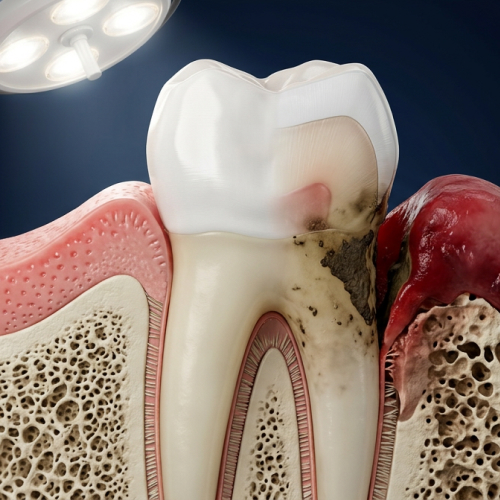
Scaling and root planing are deep-cleaning procedures focused primarily on removing plaque and tartar. These substances are more than just cosmetic issues; they are active bacterial colonies that release toxins, leading to gum inflammation and periodontal diseases. Over time, unchecked plaque and tartar buildup can cause serious damage, including the erosion of the supportive bone structure of your teeth, leading to loosening and possible tooth loss.
By thoroughly removing these harmful accumulations, scaling and root planing halt the progression of gum disease. This is crucial because gum disease is a leading cause of tooth loss in adults. The procedure cleans beneath the gum line, reaching areas that regular brushing and flossing can't. This deep cleaning process is vital in restoring and maintaining the health of your gums, which are the foundational support for your teeth.
Additionally, scaling and root planing can help to prevent tooth decay. Plaque and tartar are breeding grounds for bacteria that produce acids, which erode tooth enamel and lead to cavities. By removing these deposits, scaling reduces the risk of cavities and helps preserve your tooth enamel.
It's also important to note that scaling and root planing can have positive effects on overall health. Research has shown a link between gum disease and other health issues, such as heart disease and diabetes. By maintaining healthy gums through procedures like scaling, you're not just protecting your oral health, but potentially your overall health as well.
While the procedure itself does not weaken your teeth, it's crucial to follow your dentist's aftercare instructions to ensure a successful outcome. This includes maintaining good oral hygiene habits, scheduling regular dental check-ups, and avoiding activities that could harm your teeth, like smoking or using your teeth as tools.
Rather than weakening your teeth, scaling and root planing reinforce the health and integrity of your oral environment. These procedures are preventive in nature, aimed at stopping the progression of gum disease and preserving the strength and health of your teeth for the long term. With regular dental care and good oral hygiene, scaling and root planing can be highly beneficial components of your overall dental health strategy.
Maintaining your dental health is crucial, and scaling and root planing play a significant role in that journey. If you're due for a dental check-up or have concerns about your oral health, don't hesitate. Schedule an appointment with our dental office today. Our team of experts is here to guide you through every step, ensuring a comfortable, stress-free experience. Your smile is our priority, and we're committed to keeping it bright and healthy.
Fresh news from the dental world





Mon 8AM - 5PM
Tue 8AM - 5PM
Wed-Thu 8AM - 5PM
Fri 8AM - 5PM
Sat 9AM - 3PM
Sun Closed
Check out what our patients are saying in Long Beach, CA...


“Answers any questions...”
I been a patient here for over twelve years. Andrea greeted me and got my folder set up. Toni is very friendly and answers any questions you have promptly, when I always come in she greets you with a smile and makes your appointment enjoyable. Today Jovani and Dr. Joan made this experience great. I recommend this dentist for new patients.

“Clean and friendly...”
Very clean and friendly crew. I really enjoyed myself.

“A positive experience...”
Very clean and organized office! Entire staff was pleasant and friendly, and seems interested in ensuring I had a positive experience. Will definitely return! Affordable rates.

“My favorite dentist...”
The service here is amazing and they make you feel comfortable. I'm one of those people that hates to go to the dentist and the dentists that I went to in the past were not that great with service. Overall I found my favorite dentist service now at Long Beach Family Dentist.
“Answers any questions...”
I been a patient here for over twelve years. Andrea greeted me and got my folder set up. Toni is very friendly and answers any questions you have promptly, when I always come in she greets you with a smile and makes your appointment enjoyable. Today Jovani and Dr. Joan made this experience great. I recommend this dentist for new patients.
“Clean and friendly...”
Very clean and friendly crew. I really enjoyed myself.
Check out our accreditations, sources, and relationships in the wide world of dentistry...


Check us out and follow our Long Beach, CA practice on social media...