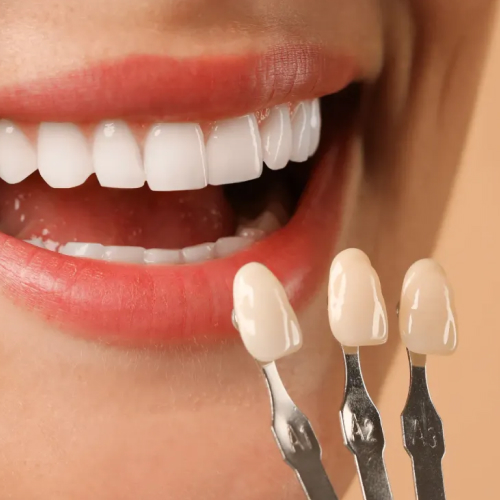
Porcelain Veneers: How Long They Last and How to Keep Them That Way
Wondering how long porcelain veneers last? Discover essential care tips to prevent chips and maintain your bright smile. Schedule your consultation in Long Beach!
Read More
Raising kids comes with a million questions, and when it comes to their teeth, knowing when and how to start dental visits can be confusing. Are baby teeth even important? (Yes.) Do toddlers really need a dental checkup? (Also yes.) At Long Beach Family Dentist, we believe early dental care builds a foundation of confidence and good habits that last a lifetime.
In this blog, we’re walking you through everything you need to know about dental visits for kids, without the fluff, fear, or dentist clichés.
Most parents are surprised to learn that the first dental visit should happen earlier than expected. The American Dental Association recommends that children see a dentist by their first birthday or within six months after the first tooth erupts, whichever comes first.
That might sound early, but here’s why it matters:
Even if your child has only one or two teeth, this first visit is worth it. It’s less about treatment and more about building trust and preventing issues before they start. Plus, you’ll learn how to care for your child’s teeth at every stage, from gums to full grins.
A child’s first dental visit is more about comfort than clinical procedures. The goal is simple: create a safe, positive experience.
Here’s what usually happens:
Sometimes kids cry or feel overwhelmed. That’s totally normal. We don’t rush them, and we never force procedures. Our team is trained in child-friendly communication and knows how to adapt to your child’s personality, whether they’re shy, bold, or somewhere in between.
For older children coming in for their first visit, we’ll adjust the experience to fit their age and development. X-rays might be taken if permanent teeth are starting to erupt, or if there are signs of cavities or crowding.
Just like adults, children should see the dentist every six months, unless advised otherwise. These routine visits help prevent issues from turning into problems, and if there’s anything brewing, we can catch it early.
Here’s why consistency matters:
In some cases, especially if your child has a high risk of cavities, a history of dental issues, or is undergoing orthodontic monitoring, we may recommend more frequent visits. But for most kids, twice a year is perfect.
Between appointments, maintaining good habits at home is just as important. This includes:
We know it’s not always easy to get kids excited about brushing. If you need help, we’ve got tips, tools, and fun ways to turn brushing into a game rather than a struggle.
Some parents wait until there's a visible issue, pain, discoloration, or decay, before bringing their child in. But by then, the child may already associate the dentist with discomfort. Early and consistent care teaches your child that the dentist isn’t just someone who fixes problems, but someone who helps keep their smile strong and healthy.
Here’s what early dental care supports:
That’s normal, and we’ve seen it all. Children may fear the unknown, especially if they’ve seen negative portrayals of dentists in shows or have siblings who complain about checkups.
At Long Beach Family Dentist, we focus on creating a low-pressure environment that respects your child’s pace. Some parents like to bring their child in for a “preview visit” where they can just meet the team and sit in the chair without any procedures. That’s absolutely fine.
A few things you can do at home to prepare:
We’re happy to work with you on easing anxiety, especially for children with sensory sensitivities or past trauma.
Your child’s dental needs will evolve over time. We grow with them, from teething to braces, from thumb-sucking to wisdom teeth. Establishing a “dental home” early means you’ll have a trusted team who knows your child’s history and preferences at every stage.
As they grow, we’ll keep an eye on things like:
Each visit becomes a chance to check in, celebrate progress, and keep their smile on track.
If you’re unsure whether your child is due for a visit, or if you’ve been putting it off, it’s okay. What matters is starting now. Whether your child has one tooth or a full set, we’re here to make the experience easy, educational, and maybe even a little fun.
Let’s work together to build healthy habits that last a lifetime. Call Long Beach Family Dentist today to schedule your child’s appointment.
Fresh news from the dental world





Mon 8AM - 5PM
Tue 8AM - 5PM
Wed-Thu 8AM - 5PM
Fri 8AM - 5PM
Sat 9AM - 3PM
Sun Closed
Check out what our patients are saying in Long Beach, CA...


“Answers any questions...”
I been a patient here for over twelve years. Andrea greeted me and got my folder set up. Toni is very friendly and answers any questions you have promptly, when I always come in she greets you with a smile and makes your appointment enjoyable. Today Jovani and Dr. Joan made this experience great. I recommend this dentist for new patients.

“Clean and friendly...”
Very clean and friendly crew. I really enjoyed myself.

“A positive experience...”
Very clean and organized office! Entire staff was pleasant and friendly, and seems interested in ensuring I had a positive experience. Will definitely return! Affordable rates.

“My favorite dentist...”
The service here is amazing and they make you feel comfortable. I'm one of those people that hates to go to the dentist and the dentists that I went to in the past were not that great with service. Overall I found my favorite dentist service now at Long Beach Family Dentist.
“Answers any questions...”
I been a patient here for over twelve years. Andrea greeted me and got my folder set up. Toni is very friendly and answers any questions you have promptly, when I always come in she greets you with a smile and makes your appointment enjoyable. Today Jovani and Dr. Joan made this experience great. I recommend this dentist for new patients.
“Clean and friendly...”
Very clean and friendly crew. I really enjoyed myself.
Check out our accreditations, sources, and relationships in the wide world of dentistry...


Check us out and follow our Long Beach, CA practice on social media...