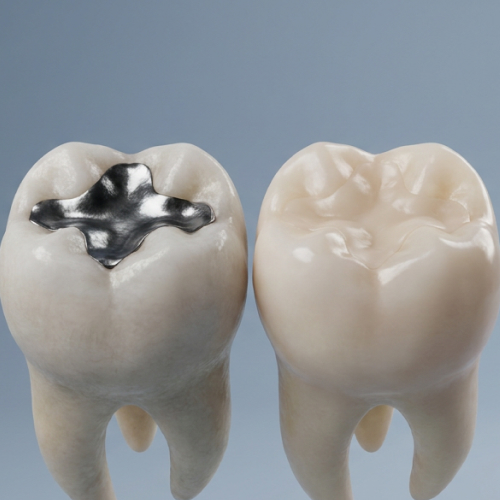
Composite vs. Silver Fillings: What Long Beach Patients Should Know Before Choosing
Choosing between composite vs. silver fillings? Discover which option looks natural and lasts. Call Long Beach Family Dentist to schedule your visit today!
Read More
A smile makeover can address many cosmetic concerns — including the appearance of crooked teeth — but whether it's safe to skip braces entirely depends on how misaligned your teeth actually are. Some cases call for a hybrid approach, and skipping that step can cost you far more than time.
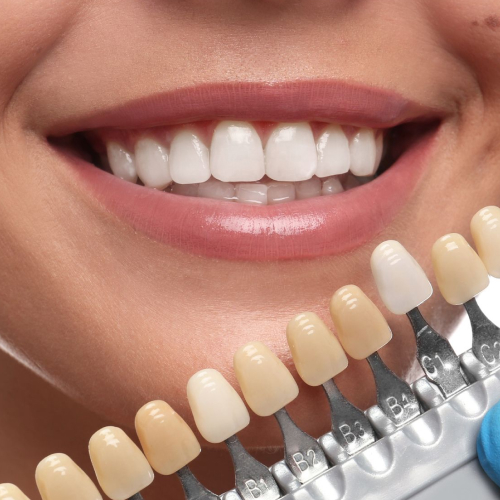
The appeal is obvious. Instead of wearing braces for 18 months, you sit through a couple of dental visits and walk out with a straight, bright smile. According to WebMD, veneers and bonding can correct gaps, chips, staining, and irregular tooth shapes — all in a fraction of the time orthodontic treatment requires.
But here's what most patients don't hear during that initial consultation: the amount of tooth structure that must be removed to make a crooked tooth look straight is dramatically different from what's needed on an already-aligned tooth.
A standard porcelain veneer prep removes roughly 0.3mm to 0.5mm of enamel from the tooth's front surface. That's a controlled, minimal shave. But when a tooth is rotated or protruding, the dentist must remove far more material on the protruding side to create a flat, flush surface for the veneer shell. That reduction can reach 1.5mm or more — pushing past the enamel entirely and into the dentin layer beneath it. Once you're in dentin, you're dangerously close to the pulp (the tooth's nerve). The result? A veneer procedure that unexpectedly requires a root canal.
This isn't rare. It's a predictable consequence of using a cosmetic solution to solve a structural problem.
Warning signs that a tooth is too crooked for safe veneer prep:
If your dentist recommends veneers across a full arch of noticeably misaligned teeth without any mention of pre-alignment, that's worth a second opinion.
For teeth that are only mildly irregular, cosmetic dentistry delivers genuinely impressive results. Cleveland Clinic notes that common procedures like bonding, veneers, and whitening can create a more balanced, symmetrical smile — with results lasting anywhere from a few years to over a decade depending on the procedure and how well you maintain it.
Here's a quick breakdown of what a smile makeover realistically addresses:
The second problem that rarely gets discussed is what happens to cosmetic restorations when the underlying bite is off. If you have a deep bite, crossbite, or significant overjet and you place veneers without correcting the bite first, those restorations are absorbing forces they were never engineered to handle. Healthline explains that braces and aligners work by gradually shifting the position of teeth and changing the shape of the jaw — something no cosmetic procedure can replicate.
Chewing creates lateral "shear forces" across your teeth. In a well-aligned bite, those forces are distributed evenly. In a misaligned bite, certain teeth take on disproportionate load. Veneers bonded over that misalignment will chip, crack, or debond — often within a few years. The fix isn't stronger veneers. The fix is correcting the bite first.
Bite types where cosmetic-only treatment is contraindicated without prior correction:
Patients typically believe they're choosing between two extremes: months of orthodontic treatment or aggressive tooth reduction for veneers. There's a third path that changes the calculation entirely.
The pre-alignment hybrid protocol uses Invisalign clear aligners for a shorter period — often just three to six months — to move teeth into a more favorable position before any veneer prep begins. A Healthline overview of Invisalign notes that clear aligners can effectively address crowding, spacing, and mild-to-moderate bite issues, making them a practical first step even when the end goal is cosmetic.
Here's why the math matters: moving a rotated tooth just one to two millimeters orthodontically can preserve up to 80% of the enamel that would otherwise need to be removed during veneer preparation. That's the difference between a minimal-prep veneer (0.3mm reduction) and a near-crown-level reduction (1.5mm+). Less drilling means a healthier tooth long-term, a lower risk of nerve involvement, and restorations that actually last.
A typical hybrid timeline looks like this:
Mouthhealthy.org from the American Dental Association confirms that removable aligners are a legitimate orthodontic option for adults and can be combined with other cosmetic treatments for a complete result. This approach isn't a compromise. For the right patient, it's the smarter path.
A smile makeover is a planning process, not a single procedure. According to Mayo Clinic's Dental Specialties overview, complex dental cases benefit most when treatment is coordinated across specialties — meaning orthodontics, cosmetic work, and restorative care are sequenced deliberately rather than applied in isolation.
For Long Beach patients considering a smile makeover, the honest answer to "can it fix my crooked teeth?" is: it depends on how crooked and why. Mild irregularities, spacing issues, and cosmetic imperfections respond beautifully to aesthetic dentistry. Significant rotation, functional bite problems, and teeth that would require aggressive preparation to look straight — those need a more thoughtful sequence.
The goal isn't just a smile that looks straight in photos. It's a smile that holds up under the actual forces of daily life.
Long Beach Family Dentist works with patients throughout the Long Beach area to map out smile makeover plans that are honest about what cosmetic dentistry can do — and what needs to come first. Whether that's clear aligners, veneers, bonding, or a combination approach, the starting point is always a thorough cleaning and exam to evaluate your bite, bone health, and cosmetic goals. Reach out to schedule a consultation and get a clear picture of your options.
Medical disclaimer: This article is for informational purposes only and does not constitute dental or medical advice. Always consult a licensed dental professional before beginning any treatment.
Fresh news from the dental world



Mon 8AM - 5PM
Tue 8AM - 5PM
Wed-Thu 8AM - 5PM
Fri 8AM - 5PM
Sat 9AM - 3PM
Sun Closed
Check out what our patients are saying in Long Beach, CA...


“A positive experience...”
Very clean and organized office! Entire staff was pleasant and friendly, and seems interested in ensuring I had a positive experience. Will definitely return! Affordable rates.

“Clean and friendly...”
Very clean and friendly crew. I really enjoyed myself.

“Answers any questions...”
I been a patient here for over twelve years. Andrea greeted me and got my folder set up. Toni is very friendly and answers any questions you have promptly, when I always come in she greets you with a smile and makes your appointment enjoyable. Today Jovani and Dr. Joan made this experience great. I recommend this dentist for new patients.

“My favorite dentist...”
The service here is amazing and they make you feel comfortable. I'm one of those people that hates to go to the dentist and the dentists that I went to in the past were not that great with service. Overall I found my favorite dentist service now at Long Beach Family Dentist.
“A positive experience...”
Very clean and organized office! Entire staff was pleasant and friendly, and seems interested in ensuring I had a positive experience. Will definitely return! Affordable rates.
“Clean and friendly...”
Very clean and friendly crew. I really enjoyed myself.
Check out our accreditations, sources, and relationships in the wide world of dentistry...


Check us out and follow our Long Beach, CA practice on social media...