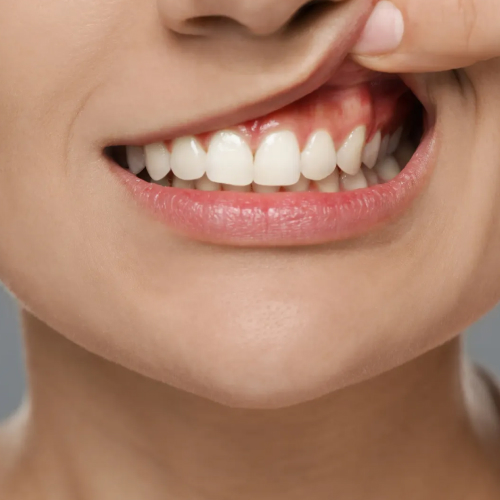
Gingivitis — the earliest stage of gum disease — is reversible with the right combination of professional care and daily habits. Once it progresses to periodontitis with bone loss, the window for full reversal closes permanently. Knowing which stage you're in changes everything about your treatment plan.
Why "Kill the Bacteria" Advice Misses the Point Entirely
Most online searches for gum disease cures land on the same recommendations: try oil pulling, rinse with saltwater, use the right mouthwash. For Long Beach-area patients, these aren't useless. But they're built on a misunderstanding of what gum disease actually is at the structural level.
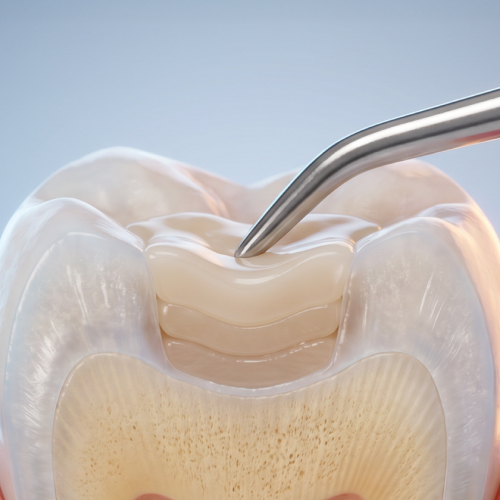
Oral bacteria don't just float around your gumline waiting to be rinsed away. They organize into a dental biofilm — a tightly packed community encased in a self-produced extracellular matrix. Think of it like a fortress wall. Mouthwash, antibiotics, and rinses cannot physically penetrate that matrix to reach the bacteria living inside it. This is why someone can use an antibacterial rinse twice daily and still have progressive gum disease.
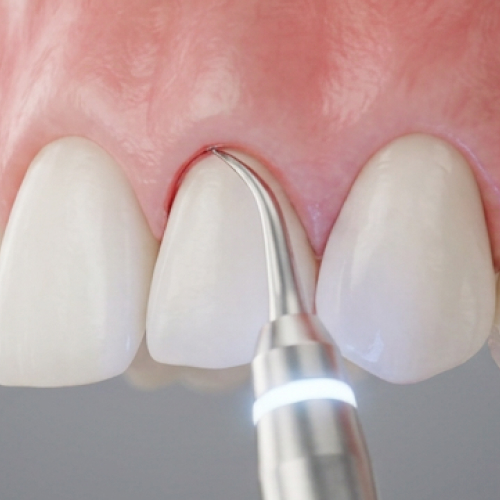
The only way to break the biofilm seal is mechanical disruption — physically scraping the structure away. That's exactly what professional scaling does. Your hygienist's instruments reach below the gumline and fracture the biofilm architecture that no liquid can touch. According to Harvard Health, dental teams have specialized tools to scrape under the gumline in ways home care simply cannot replicate.
This doesn't mean home care is worthless. Brushing twice daily with a soft-bristled electric toothbrush and flossing once daily disrupts biofilm before it fully matures and hardens into tartar. The window for DIY intervention is early. Once tartar forms, you need a professional. There is no shortcut around this biology.
One often-overlooked factor: mouth breathing at night. When you breathe through your mouth during sleep, saliva dries up. Saliva is your gums' natural pH buffer — without it, oral pH drops and anaerobic bacteria thrive in those acidic, oxygen-poor conditions, regardless of how well you brushed before bed. If you wake up with a dry mouth consistently, addressing this with a humidifier, nasal strips, or myofunctional therapy is a legitimate part of any gum disease treatment plan.
The Point of No Return: Why "Just Getting a Cleaning" Eventually Stops Working
Here's a distinction that genuinely matters for your long-term oral health — and your relationship with insurance.
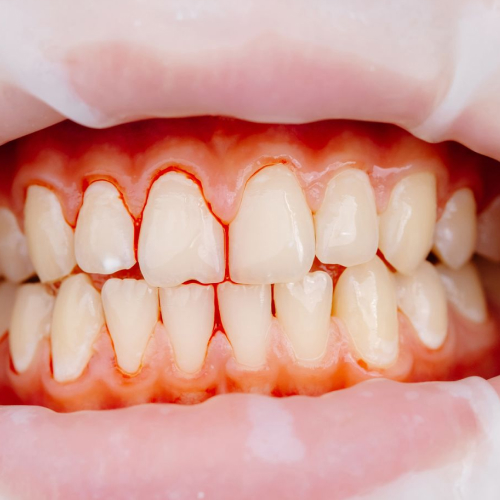
Gingivitis affects only the gum tissue. It's reversible. But the NIDCR notes that once infection spreads to the bone surrounding your teeth, the disease has crossed into periodontitis — and bone loss cannot be regenerated through standard care.
Clinically, this changes your treatment category. A standard preventive cleaning and exam (prophylaxis) removes plaque and tartar above and at the gumline — appropriate for healthy mouths. Once you have documented bone loss and deeper periodontal pockets, that same cleaning physically cannot reach the base of the infected pocket. You need scaling and root planing, a deeper procedure that cleans root surfaces below the gumline.
After that treatment, patients typically move into periodontal maintenance — a more frequent monitoring schedule than standard twice-yearly cleanings. Insurance plans frequently cover these visits differently than routine cleanings, and your provider will need updated periodontal charting to justify the treatment. Understanding this distinction matters because some patients, unaware of their disease stage, continue receiving standard cleanings that don't adequately treat what they actually have.
The takeaway: catching gum disease while it's still gingivitis isn't just about comfort. It's about staying on the reversible side of a line that, once crossed, requires a lifelong management commitment.
What Effective Treatment Actually Looks Like, Stage by Stage
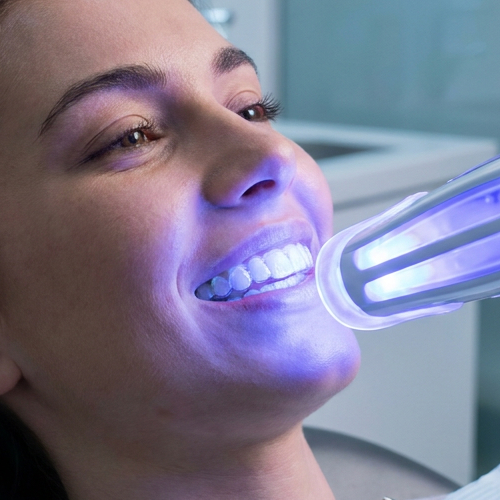
For gingivitis: Professional cleaning combined with improved home hygiene is genuinely effective. A Healthline overview confirms that daily brushing, flossing, and consistent dental visits can stop and reverse early gum disease. Saltwater rinses may ease inflammation temporarily. Quitting smoking makes a significant difference — it's the single most impactful behavioral risk factor for gum disease severity.
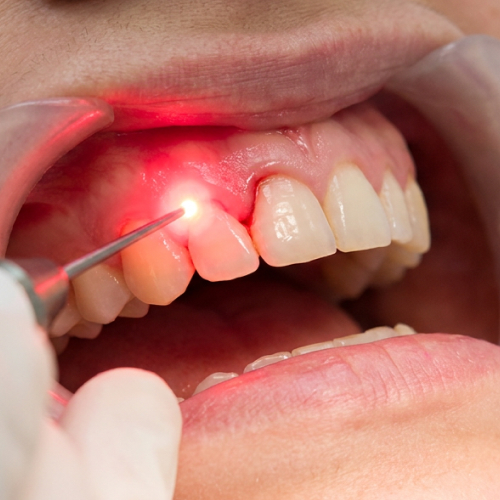
For early-to-moderate periodontitis: Scaling and root planing is the front-line treatment. Research covered by Harvard Health on treating gum disease found that periodontal treatment was associated with lower rates of hospitalization and reduced complications for patients with cardiovascular and cerebrovascular conditions — a reminder that gum disease is not just a mouth problem. In some cases where infection has severely damaged a tooth, an endodontic root canal may also be necessary to address related pulp involvement.
For advanced periodontitis: Surgical options including flap surgery, bone grafting, and tissue regeneration may be necessary. These are performed by periodontists and aim to reduce pocket depth and restore lost structure where possible. When teeth cannot be saved, options such as dental implants or dentures may be considered to restore function.
Across all stages, WebMD's overview of gum disease treatments reinforces that no treatment works without consistent daily home care. Professional intervention resets the baseline — patients maintain it between visits.
Vitamin C intake, stress management, and blood sugar control for diabetic patients all influence how well gum tissue responds to treatment. These aren't optional lifestyle footnotes. They directly affect healing outcomes.
Schedule a Gum Health Evaluation in Long Beach
If your gums bleed when you brush, look redder than usual, or you haven't had a cleaning in over a year, don't wait. The difference between reversible gingivitis and irreversible periodontitis often comes down to timing.
Long Beach Family Dentist serves patients throughout the Long Beach area with comprehensive gum evaluations, professional cleanings, and periodontal treatment. If you're experiencing sudden pain or swelling, don't delay — contact our office right away for a dental emergency evaluation and find out exactly where your gum health stands.
Medical disclaimer: This article is for informational purposes only and does not constitute medical or dental advice. Always consult a licensed dental professional for diagnosis and treatment recommendations specific to your situation.