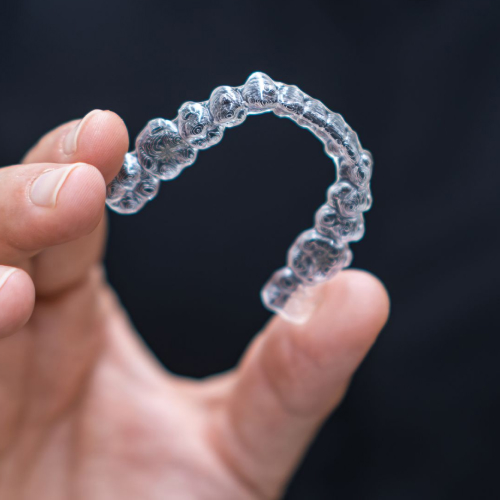
Why Your Invisalign Trays Aren't Fitting — And What to Do About It
Invisalign trays not fitting right in Long Beach? Learn why gaps happen, what tracking means, and when refinements are needed. Get answers from our dental team.
Read More
Undergoing oral surgery can be a daunting prospect, but understanding what to expect and how to prepare can ease your mind. Whether you’re having wisdom teeth removed, dental implants placed, or corrective jaw surgery, being well-informed is key to a smooth and successful procedure. In this guide, we’ll address common concerns, clarify the process, and provide essential tips for pre-surgery preparation.
Oral surgery, like any surgical procedure, carries certain risks, but it is generally safe when performed by a qualified professional. Common procedures include the extraction of impacted teeth, placement of dental implants, and corrective jaw surgery. Each of these procedures is routine for oral surgeons, who are extensively trained to manage and minimize risks.
Understanding the Risks:
While complications from oral surgery are rare, they can occur. Common risks include infection, bleeding, adverse reactions to anesthesia, nerve damage, and sinus problems. Infection can happen if bacteria enter the surgical site, but surgeons take stringent measures to maintain sterility, and antibiotics are often prescribed as a precaution. Bleeding is common but usually manageable with post-operative care instructions provided by your surgeon. Adverse reactions to anesthesia, though uncommon, can range from mild nausea to severe allergic reactions. Nerve damage, particularly in the lower jaw, can cause temporary or permanent numbness, while upper jaw surgeries may occasionally lead to sinus complications.
Qualifications and Experience:
Choosing a qualified and experienced oral surgeon is crucial in minimizing these risks. Oral surgeons undergo extensive training, including dental school and additional years of specialized surgical residency, equipping them with the skills and knowledge to handle various complexities of oral surgery safely.
Pre-Surgical Assessment:
Before your surgery, your oral surgeon will conduct a thorough assessment, reviewing your medical history, performing a physical examination, and possibly ordering imaging studies such as X-rays or CT scans. This assessment helps in planning the procedure and anticipating any potential issues.
Precautions and Preparations:
Your oral surgeon will discuss all potential risks with you beforehand and explain the precautions taken to mitigate them. You will receive detailed pre- and post-operative instructions, including how to manage any medications you are taking and any necessary lifestyle adjustments, such as quitting smoking or adjusting your diet, to optimize healing and recovery.
Post-Surgical Care:
Proper care after surgery is essential to avoid complications. Your surgeon will schedule follow-up visits to monitor your healing and address any concerns. Maintaining good oral hygiene, as recommended by your surgeon, is vital to prevent infection. Additionally, following dietary recommendations, such as avoiding hard or spicy foods, will help in the healing process.
By understanding the potential risks and how they are managed, you can approach your oral surgery with confidence. Oral surgeons are committed to providing the highest standard of care, ensuring your safety and well-being throughout the process.
Oral surgery is generally safe, and with the right preparation and care, complications are rare. If you have any concerns or questions, your oral surgeon is there to guide you every step of the way.
In many cases, your dentist will refer you to an oral surgeon if they determine that specialized care is needed. However, you can also seek out an oral surgeon directly, especially if you know you require a specific procedure. It's often beneficial to consult with your dentist first to ensure that you’re receiving the appropriate care and to get a referral if necessary. This can also help with insurance approvals and provide a clear treatment plan.
Preparation is crucial for a successful oral surgery experience. Here are some key things to avoid before your procedure:
Eating and Drinking: Refrain from eating or drinking anything for at least eight hours before your surgery. This is particularly important if you will be receiving general anesthesia, as having a full stomach can increase the risk of aspiration (inhaling stomach contents into the lungs) during the procedure. Even a small amount of food or drink can be problematic, so it's best to adhere strictly to this guideline.
Medications: Avoid taking aspirin, ibuprofen, or other blood-thinning medications unless advised otherwise by your surgeon. These medications can increase bleeding during surgery, complicating the procedure and prolonging recovery. If you are on any regular medications, including over-the-counter supplements, inform your surgeon. They may provide specific instructions or alternatives to ensure your safety.
Smoking and Alcohol: Do not smoke or consume alcohol for at least 24 hours before surgery. Smoking can significantly delay healing, increase the risk of infection, and negatively impact blood flow to the surgical area. Alcohol can interfere with anesthesia and other medications used during the procedure, potentially leading to adverse reactions or complications.
Jewelry and Makeup: Remove any jewelry and avoid wearing makeup, especially on the day of the surgery. Jewelry, including piercings, can get in the way or cause complications with surgical tools and equipment. Makeup, particularly around the mouth and eyes, can introduce bacteria and compromise the sterile environment necessary for surgery. Additionally, nail polish can interfere with the monitoring equipment used during the procedure.
Clothing: Wear loose, comfortable clothing to your appointment. Opt for short-sleeved or easily adjustable tops to allow easy access for intravenous lines or blood pressure cuffs. Avoid wearing high-heeled shoes, as they can be uncomfortable and unsafe when you are groggy from anesthesia.
Fasting and Hydration: While you need to fast, staying hydrated up until the fasting period begins is important. Drink plenty of water the day before surgery to ensure your body is well-hydrated, which can aid in recovery.
Oral Hygiene: Brush and floss your teeth thoroughly before your appointment. Good oral hygiene helps reduce the risk of infection. However, avoid using mouthwash containing alcohol, as it can dry out your mouth and interfere with anesthesia.
Transportation: Arrange for transportation, as you will not be able to drive yourself home after receiving anesthesia. The effects of anesthesia can last for several hours, impairing your reflexes and judgment. Having a friend or family member to accompany you ensures you get home safely and have someone to assist you if needed.
By avoiding these actions, you help create the best possible conditions for a successful oral surgery and a smooth recovery process. Always follow your surgeon’s specific instructions and don’t hesitate to ask questions if you are unsure about any aspect of your preparation.
Preparing for oral surgery involves understanding the risks, knowing when to see an oral surgeon, and following specific pre-surgery guidelines. By taking these steps, you can help ensure a smooth procedure and a quicker recovery. If you have any concerns or questions about your upcoming oral surgery, don’t hesitate to reach out to our office.
Take the first step towards optimal oral health and schedule your consultation today. Our team is here to provide you with the highest standard of care and support throughout your surgical journey.
Fresh news from the dental world






Mon 8AM - 5PM
Tue 8AM - 5PM
Wed-Thu 8AM - 5PM
Fri 8AM - 5PM
Sat 9AM - 3PM
Sun Closed
Check out what our patients are saying in Long Beach, CA...


“My favorite dentist...”
The service here is amazing and they make you feel comfortable. I'm one of those people that hates to go to the dentist and the dentists that I went to in the past were not that great with service. Overall I found my favorite dentist service now at Long Beach Family Dentist.

“Clean and friendly...”
Very clean and friendly crew. I really enjoyed myself.

“Answers any questions...”
I been a patient here for over twelve years. Andrea greeted me and got my folder set up. Toni is very friendly and answers any questions you have promptly, when I always come in she greets you with a smile and makes your appointment enjoyable. Today Jovani and Dr. Joan made this experience great. I recommend this dentist for new patients.

“A positive experience...”
Very clean and organized office! Entire staff was pleasant and friendly, and seems interested in ensuring I had a positive experience. Will definitely return! Affordable rates.
“My favorite dentist...”
The service here is amazing and they make you feel comfortable. I'm one of those people that hates to go to the dentist and the dentists that I went to in the past were not that great with service. Overall I found my favorite dentist service now at Long Beach Family Dentist.
“Clean and friendly...”
Very clean and friendly crew. I really enjoyed myself.
Check out our accreditations, sources, and relationships in the wide world of dentistry...


Check us out and follow our Long Beach, CA practice on social media...