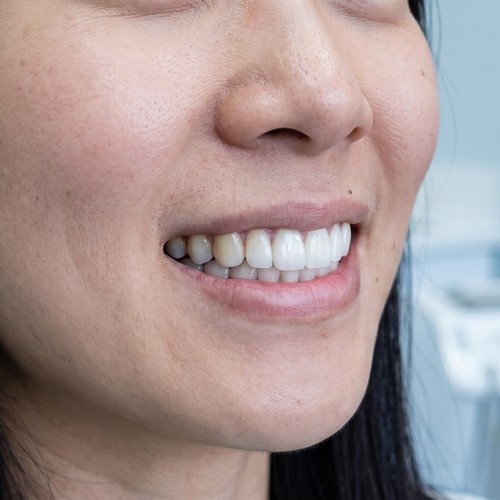
What Patients Ask Before Getting Veneers: Stains, Nightguards, and Whitening
Do veneers stain? Do you need a nightguard? Learn the facts about porcelain veneers and whitening. Schedule your consultation at Long Beach Family Dentist now!
Read More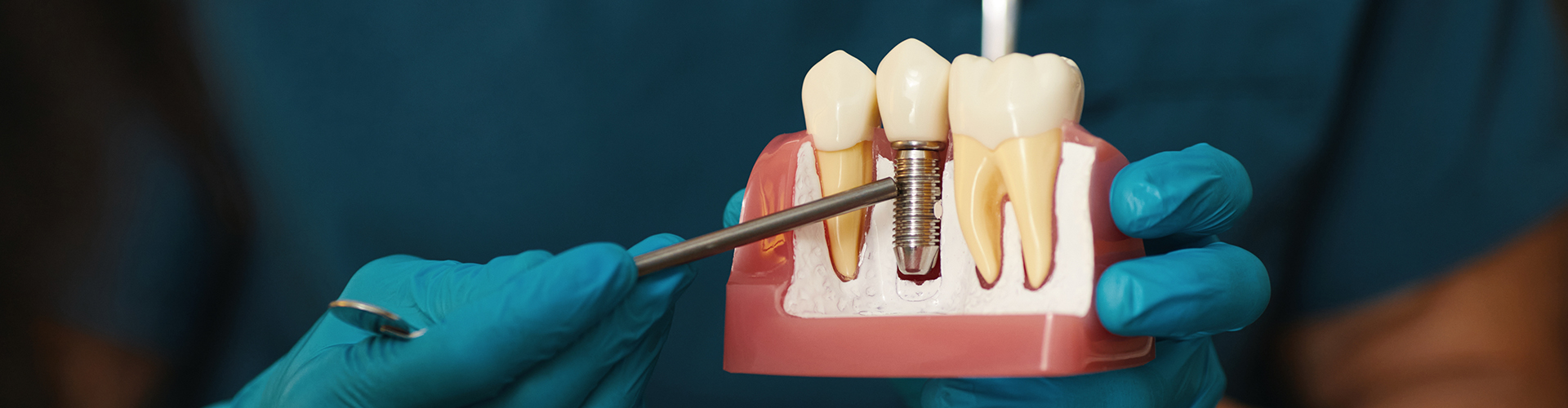
Dental implants are a reliable and effective solution for restoring your smile and improving oral health. With proper care, they can last for decades, making them a worthwhile investment in your overall well-being. At Long Beach Family Dentist, we believe that maintaining your implants doesn’t have to be complicated. By following a few practical steps and prioritizing regular dental care, you can keep your implants in top shape for years to come.
Let’s explore everything you need to know to protect your implants and ensure they remain a permanent part of your smile.
Dental implants are built to last a lifetime, but their durability depends on the care they receive. The titanium post that integrates with your jawbone is highly resistant to wear and decay. However, the crown (the visible portion of the implant) may need to be replaced every 10–15 years due to natural wear from chewing and biting.
Several factors influence how long your implants remain in excellent condition:
Consistent Oral Hygiene Practices: Maintaining a clean environment in your mouth is critical for the success of your implants. Regular brushing and flossing help prevent plaque and bacteria from accumulating around the implant, which could lead to gum issues or infections.
Gum Health: Healthy gums are the foundation of strong and stable implants. Conditions like gum disease can compromise the tissue surrounding the implant, eventually causing instability. Maintaining healthy gums through good oral hygiene and regular dental visits is crucial.
Lifestyle Choices: The choices you make in your daily life also play a significant role. Smoking, for instance, can reduce the longevity of your implants, while a nutrient-rich diet can support strong bones and healthy tissue.
Regular Professional Care: Routine visits to your dentist are essential to monitor your implants and address any potential problems early. Professional cleanings help remove plaque and tartar buildup, ensuring that your implants and gums stay in optimal condition.
By combining these elements, you can significantly extend the life of your dental implants and enjoy the benefits of a beautiful, functional smile for years to come.
Although dental implants are highly successful, certain factors can increase the risk of complications. Understanding these risks allows you to take proactive steps to avoid them.
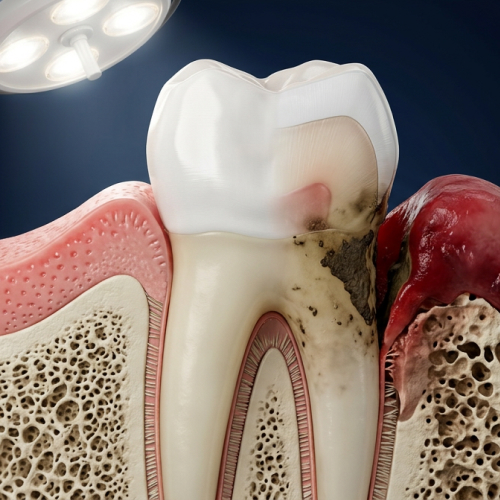
Neglecting Oral Hygiene: Failing to keep your implants and gums clean can lead to a buildup of plaque and bacteria, increasing the likelihood of infections like peri-implantitis. This condition, which affects the tissues around the implant, can weaken the bone structure supporting the implant if left untreated.
Smoking: Tobacco use significantly increases the chances of implant failure. Smoking reduces blood flow to the gums, slowing down the healing process after surgery and raising the risk of infection.
Bone Loss: The success of a dental implant depends on a strong jawbone. Bone loss, which can occur due to osteoporosis, untreated gum disease, or natural aging, can compromise the stability of the implant over time.
Peri-Implantitis: This inflammatory condition is similar to gum disease but specifically affects the tissues surrounding a dental implant. Symptoms may include redness, swelling, and discomfort around the implant. If not addressed early, peri-implantitis can lead to significant bone damage and implant instability.
Bruxism (Teeth Grinding): Grinding or clenching your teeth, especially at night, can put excessive pressure on your implants. Over time, this stress may damage the crown or weaken the implant’s connection to the jawbone.
Trauma or Injury: Accidents or injuries to the jaw can impact the implant, particularly if the surrounding bone or gum tissue is damaged. Using a protective mouthguard during physical activities can help minimize this risk.
Health Conditions and Medications: Certain medical conditions, such as diabetes or autoimmune disorders, and medications like steroids or bisphosphonates, can impact the healing process and overall health of your implants. Discussing your health history with your dentist ensures that any risks are managed appropriately.
While these challenges may sound concerning, the good news is that most of them are preventable with proper care and attention.
Keeping your dental implants in excellent condition requires a combination of daily care and regular professional maintenance. Here’s a detailed guide to help you safeguard your implants:
Brush Thoroughly Twice a Day: Brushing your teeth twice daily is crucial for maintaining oral health. Use a soft-bristle toothbrush to clean the area around the implant gently, as this prevents irritation to the gums. Non-abrasive toothpaste is ideal for avoiding scratches on the crown. An electric toothbrush can also be beneficial, as it offers precision and ease of use, especially when cleaning hard-to-reach areas.
Floss Regularly: Flossing is just as important as brushing, especially for implant care. Plaque and food particles can accumulate around the base of the implant, making it vital to clean between your teeth. Consider using floss designed for implants, interdental brushes, or a water flosser to ensure thorough cleaning without damaging the implant.
Avoid Hard and Sticky Foods: While dental implants are durable, they are not immune to damage. Chewing hard items like ice, nuts, or hard candies can chip or crack the crown. Similarly, sticky foods like caramel or taffy can strain the implant and cause unnecessary stress on its components.
Stay Hydrated: Drinking water throughout the day helps flush away food debris and bacteria, keeping your mouth clean and reducing the risk of plaque buildup. Water also promotes saliva production, which naturally protects your teeth and gums by neutralizing harmful acids.
Eat a Balanced Diet: A healthy diet plays a significant role in the longevity of your dental implants. Foods rich in calcium, Vitamin D, and other essential nutrients support bone health and strengthen the tissue around your implants. Incorporate leafy greens, dairy products, and fish into your meals for added benefits.
Quit Smoking: Smoking not only affects your overall health but also poses a serious risk to your implants. Tobacco use slows down the healing process, increases the chances of infection, and weakens the tissues that support the implant. Quitting smoking can dramatically improve the success and lifespan of your implants.
Wear a Mouthguard if Necessary: If you grind or clench your teeth at night, wearing a custom mouthguard can protect your implants from excessive pressure. Your dentist can create a guard tailored to your needs for maximum comfort and protection.
Schedule Regular Dental Visits: Routine cleanings and exams are vital for maintaining your implants. At Long Beach Family Dentist, we provide specialized care for patients with implants, ensuring that the surrounding tissues remain healthy and the implant is secure. During these visits, we’ll check for any signs of gum inflammation, plaque buildup, or other concerns that could compromise your implant’s health.
Dental implants are a transformative solution that can restore your smile and confidence. By prioritizing good oral hygiene, staying proactive about your dental health, and visiting your dentist regularly, you can ensure your implants remain functional and beautiful for a lifetime.
If you have questions about caring for your implants or want to schedule a cleaning and exam, our team at Long Beach Family Dentist is here to help. Contact us today and take the next step in maintaining your healthy, radiant smile!
Fresh news from the dental world





Mon 8AM - 5PM
Tue 8AM - 5PM
Wed-Thu 8AM - 5PM
Fri 8AM - 5PM
Sat 9AM - 3PM
Sun Closed
Check out what our patients are saying in Long Beach, CA...


“Answers any questions...”
I been a patient here for over twelve years. Andrea greeted me and got my folder set up. Toni is very friendly and answers any questions you have promptly, when I always come in she greets you with a smile and makes your appointment enjoyable. Today Jovani and Dr. Joan made this experience great. I recommend this dentist for new patients.

“Clean and friendly...”
Very clean and friendly crew. I really enjoyed myself.

“A positive experience...”
Very clean and organized office! Entire staff was pleasant and friendly, and seems interested in ensuring I had a positive experience. Will definitely return! Affordable rates.

“My favorite dentist...”
The service here is amazing and they make you feel comfortable. I'm one of those people that hates to go to the dentist and the dentists that I went to in the past were not that great with service. Overall I found my favorite dentist service now at Long Beach Family Dentist.
“Answers any questions...”
I been a patient here for over twelve years. Andrea greeted me and got my folder set up. Toni is very friendly and answers any questions you have promptly, when I always come in she greets you with a smile and makes your appointment enjoyable. Today Jovani and Dr. Joan made this experience great. I recommend this dentist for new patients.
“Clean and friendly...”
Very clean and friendly crew. I really enjoyed myself.
Check out our accreditations, sources, and relationships in the wide world of dentistry...


Check us out and follow our Long Beach, CA practice on social media...