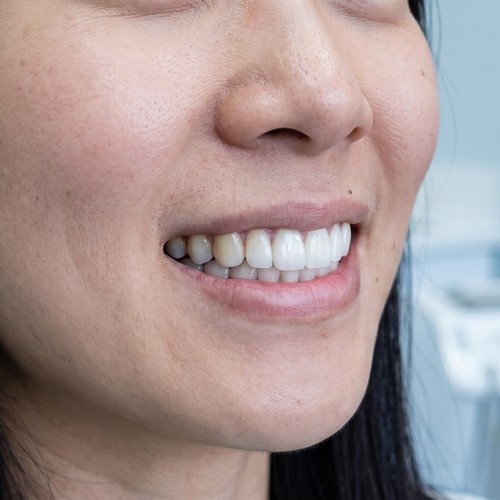
What Patients Ask Before Getting Veneers: Stains, Nightguards, and Whitening
Do veneers stain? Do you need a nightguard? Learn the facts about porcelain veneers and whitening. Schedule your consultation at Long Beach Family Dentist now!
Read More
Experiencing pain in your mouth can disrupt your daily life, making eating, drinking, and even talking a challenge. This discomfort can arise from various issues, including tooth decay, gum disease, or injury. Understanding the causes and solutions for mouth pain not only helps in managing symptoms but also in preventing future dental problems. Here, we explore practical tips and expert advice on how to alleviate tooth and gum pain effectively.
Tooth pain can be particularly debilitating. While it's crucial to consult a dental professional for persistent pain, there are several ways to temporarily numb tooth pain at home. Over-the-counter pain relievers, such as ibuprofen or acetaminophen, can be effective. For topical relief, products containing benzocaine can be applied directly to the affected tooth and surrounding gums. This can provide temporary numbness and comfort.
Another home remedy involves the use of clove oil, a natural anesthetic. A small amount of clove oil applied to a cotton ball and dabbed on the tooth may help numb the pain. Additionally, rinsing your mouth with warm salt water can cleanse the area and reduce swelling, offering some pain relief. However, these methods are for temporary relief and are not substitutes for professional dental treatment.
Severe tooth pain is not just uncomfortable—it's often a red flag signaling serious dental issues such as an abscess or deep decay. When tooth pain escalates to severe levels, simple home remedies might not suffice, emphasizing the urgency for professional dental consultation. Here's how you can manage severe tooth pain before you're able to see a dentist.
Maintaining rigorous oral hygiene is paramount. Continue to gently brush and floss around the affected area to remove any food particles and debris that could aggravate the pain. It's important to use a soft-bristled toothbrush to avoid further irritation of the gums or existing damage.
Mind your diet: Steer clear of foods and beverages that are extremely hot or cold, as such temperatures can intensify tooth pain. Opt for soft foods that require minimal chewing and avoid sugar-laden snacks and acidic drinks which can further deteriorate your tooth enamel.
Applying a cold compress to the face near the affected area can significantly reduce swelling and numb the discomfort temporarily. Wrap ice in a clean cloth and apply it in intervals of 15 minutes on and 15 minutes off to prevent skin damage.
If over-the-counter pain relief is necessary, medications like ibuprofen can help reduce inflammation and manage pain. Always adhere to the recommended dosage and consider checking with your pharmacist or doctor if you're taking other medications to avoid interactions.
Elevate your head when lying down to help reduce the blood pressure in the area of the pain, which can decrease swelling and throbbing.
Saltwater rinses can also be soothing. Mix a half teaspoon of salt in a cup of warm water and use it as a gentle mouth rinse to disinfect the area and provide temporary pain relief.
However, it's crucial to recognize that these measures are temporary. Severe tooth pain often requires professional intervention to treat the underlying cause effectively. Delaying dental care not only prolongs suffering but can also lead to more significant health issues, including the spread of infection which can impact overall health.
Gum pain is a common complaint that can be attributed to a variety of factors, ranging from mild irritations to serious dental conditions. Understanding these causes is crucial for effective management and prevention.
Common Causes of Gum Pain
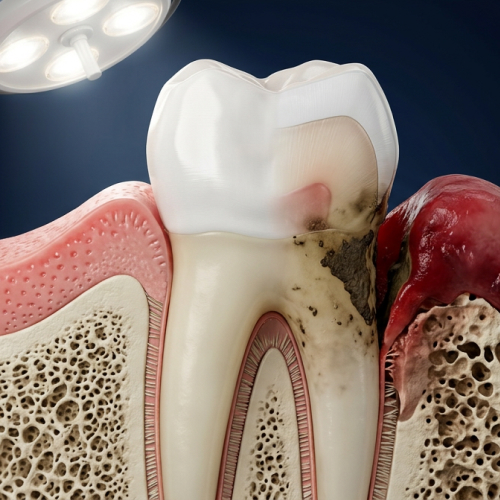
Gingivitis and Periodontitis: These are forms of gum disease, with gingivitis being the early stage and periodontitis the more advanced stage. Both are primarily caused by the buildup of plaque, a sticky film of bacteria that irritates the gum line. If left untreated, gingivitis can escalate to periodontitis, leading to further inflammation and even tooth loss.
Hormonal Changes: Fluctuations in hormones, particularly during pregnancy, puberty, menstruation, and menopause, can make gums more sensitive and susceptible to pain.
Infections: Bacterial, viral, or fungal infections can cause gum pain. An example is oral thrush, a yeast infection in the mouth that leads to creamy white lesions and sore gums.
Poor Dental Hygiene: Inadequate brushing and flossing allow plaque to accumulate and harden into tartar, exacerbating gum irritation and leading to painful infections.
Dental Procedures: Sometimes, dental work can leave your gums tender and sore for a few days. This is generally temporary but can cause significant discomfort.
Incorrect Brushing or Flossing Techniques: Aggressive or improper brushing and flossing can cause the gums to bleed and become painful.
Nutritional Deficiencies: Lack of essential vitamins, such as vitamin C, can lead to scurvy, gum inflammation and pain.
Managing and Alleviating Gum Pain
To manage and alleviate gum pain, it's important to maintain a diligent oral care routine. This includes brushing your teeth at least twice a day with fluoride toothpaste and flossing daily to remove plaque from areas your toothbrush can't reach. Using an antiseptic mouthwash can help eliminate bacteria that cause gum disease.
Lifestyle changes can also play a significant role in improving gum health. Quitting smoking is crucial as smoking is a major risk factor for the development of gum disease. Additionally, managing stress is important since high stress levels can weaken your immune system and make it harder for your body to fight off infections, including those that cause gum pain.
For dietary considerations, ensure you are getting adequate nutrients, especially vitamins A and C, which are vital for maintaining healthy mucous membranes in the mouth.
When to See a Dentist
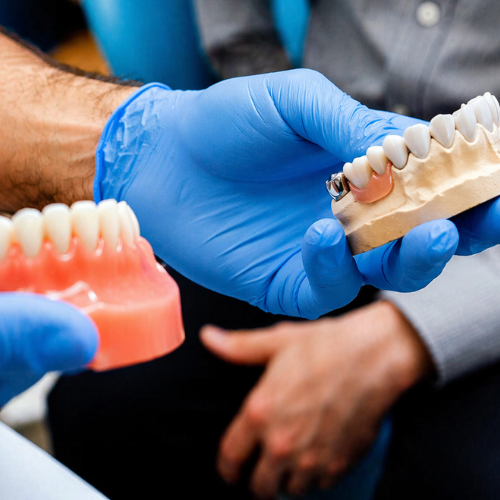
Persistent or severe gum pain should not be ignored as it could indicate a serious underlying issue. Regular dental check-ups are essential for maintaining gum health, and professional cleanings can remove tartar build-up that at-home brushing can't. If you're experiencing ongoing gum pain, your dentist can provide targeted treatments depending on the specific cause. This could include deep cleaning procedures like scaling and root planing or medications to treat infections.
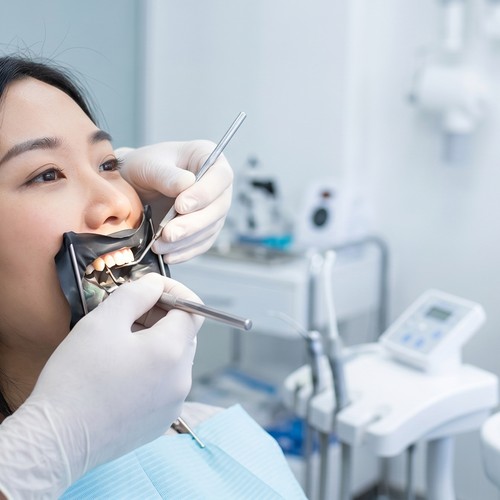
Mouth pain is not only uncomfortable, but it can also be a sign of more serious dental issues. While temporary measures can provide relief, they are not long-term solutions. At Long Beach Family Dentist, we are committed to diagnosing and treating the root causes of your discomfort to ensure your oral health is on track.
If you're experiencing persistent tooth or gum pain, don't wait for it to worsen. Contact us today to schedule an appointment and take the first step towards a pain-free life. Your health is our priority, and our team is here to provide the care you need in a comfortable and welcoming environment.
Fresh news from the dental world





Mon 8AM - 5PM
Tue 8AM - 5PM
Wed-Thu 8AM - 5PM
Fri 8AM - 5PM
Sat 9AM - 3PM
Sun Closed
Check out what our patients are saying in Long Beach, CA...


“Answers any questions...”
I been a patient here for over twelve years. Andrea greeted me and got my folder set up. Toni is very friendly and answers any questions you have promptly, when I always come in she greets you with a smile and makes your appointment enjoyable. Today Jovani and Dr. Joan made this experience great. I recommend this dentist for new patients.

“Clean and friendly...”
Very clean and friendly crew. I really enjoyed myself.

“A positive experience...”
Very clean and organized office! Entire staff was pleasant and friendly, and seems interested in ensuring I had a positive experience. Will definitely return! Affordable rates.

“My favorite dentist...”
The service here is amazing and they make you feel comfortable. I'm one of those people that hates to go to the dentist and the dentists that I went to in the past were not that great with service. Overall I found my favorite dentist service now at Long Beach Family Dentist.
“Answers any questions...”
I been a patient here for over twelve years. Andrea greeted me and got my folder set up. Toni is very friendly and answers any questions you have promptly, when I always come in she greets you with a smile and makes your appointment enjoyable. Today Jovani and Dr. Joan made this experience great. I recommend this dentist for new patients.
“Clean and friendly...”
Very clean and friendly crew. I really enjoyed myself.
Check out our accreditations, sources, and relationships in the wide world of dentistry...


Check us out and follow our Long Beach, CA practice on social media...