Porcelain veneers can last 10–20 years with proper care, but longevity depends heavily on how you protect the bond line, manage nighttime grinding, and handle the occasional chip. This guide covers what most veneer articles skip entirely.
The Margin Stain Problem Nobody Warns You About
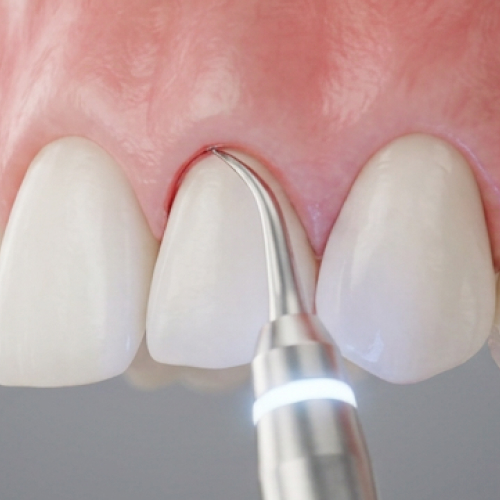
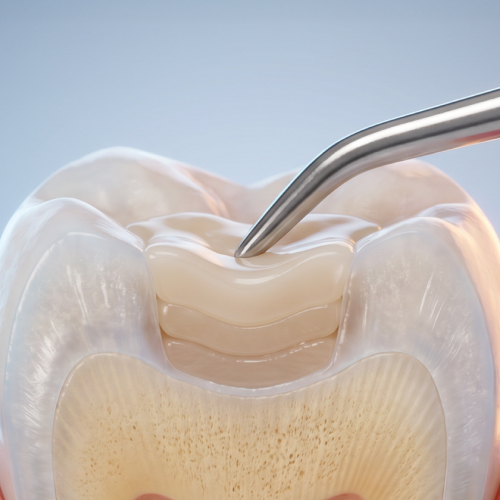
Porcelain itself doesn't stain. That part is true. But the thin line of resin cement — the luting composite that bonds your veneer to the tooth — absolutely does. For Long Beach patients, maintaining this bond is key to a lasting smile.
Over time, that bond line can absorb pigment from coffee, wine, and certain mouthwashes. The result is a subtle brown or yellow ring at the edge of an otherwise flawless veneer. According to Healthline, the edges of veneers where they meet the tooth may begin to stain after five or more years — and this is almost always the resin margin, not the porcelain itself.
The chemistry matters here. Alcohol-based mouthwashes and astringent rinses can chemically degrade the resin seal over time, making it more porous and more prone to micro-leakage. Swap to an alcohol-free fluoride rinse instead.
During professional cleanings, ask your hygienist specifically to avoid abrasive polishing pastes on veneer margins. Non-abrasive polishing agents are far gentler on resin cement and help maintain the seal. Keeping those margins smooth and intact is one of the most underappreciated factors in long-term veneer appearance.
Why Your Night Guard Might Be Making Things Worse
Most dentists recommend a night guard if you grind your teeth. That advice is correct — but the type of guard matters enormously.
Over-the-counter soft, rubbery guards feel comfortable, but they can trigger what's sometimes called a proprioceptive "chew toy" response. The pliable surface gives the brain tactile feedback that encourages the jaw to clench harder, increasing shear force directly on the veneer surface. That lateral force is exactly what causes porcelain to de-bond or fracture at the margin.
A hard acrylic occlusal guard, custom-made by your dentist, works differently. The rigid surface allows the veneers to glide rather than catch, effectively neutralizing the lateral loading that causes chips. WebMD notes that signs of grinding are a contraindication for veneers — which underscores why managing bruxism with the right appliance is non-negotiable, not optional.
Research published in PMC confirms that patients with parafunctional habits like bruxism face significantly higher veneer failure rates. The fix isn't skipping the guard — it's getting the right one.
How Long Porcelain Veneers Actually Last
The honest answer: it depends on preparation quality, bonding technique, and patient behavior.
Clinical data shows porcelain veneers have an estimated survival rate of 93.5% at 10 years and roughly 82.9% at 20 years. That's genuinely impressive for a cosmetic restoration. Composite veneers, by comparison, carry a meaningfully higher annual failure rate than ceramic alternatives over the same period.
Beyond material choice, tooth vitality matters. Non-vital teeth — those that have had root canals — show significantly higher failure risk. So does dentin exposure during preparation: veneers bonded predominantly to enamel outperform those bonded to dentin because enamel provides a more stable adhesive substrate.
The American Dental Association's MouthHealthy resource reinforces that only licensed dentists should place veneers, partly because preparation depth directly controls how much enamel versus dentin is exposed — a decision that affects longevity for years to come.
Day-to-day habits also shape lifespan. Avoid biting fingernails, chewing ice, or using your front teeth to open packaging. These behaviors create the exact point-loading stress that porcelain handles poorly.
The Single-Chip Dilemma: Repair or Replace?
Here's a scenario most veneer guides ignore entirely: one veneer chips after ten years while the rest look fine. What then?
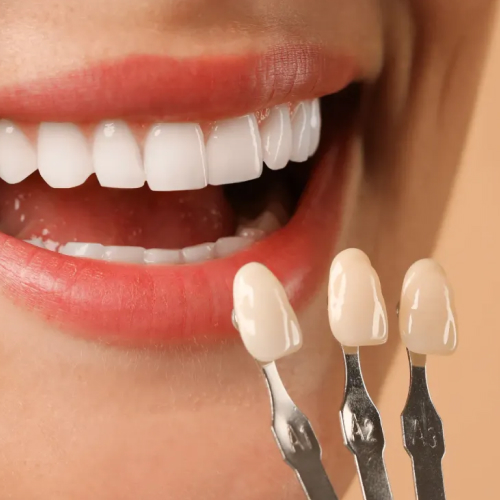
Replacing a single veneer after a decade is technically challenging. The natural tooth underneath — called the stump shade — darkens as you age. Meanwhile, the surrounding veneers have subtly shifted in luster over time. A brand-new porcelain unit, even shade-matched carefully, may look noticeably brighter or different in translucency next to its neighbors.
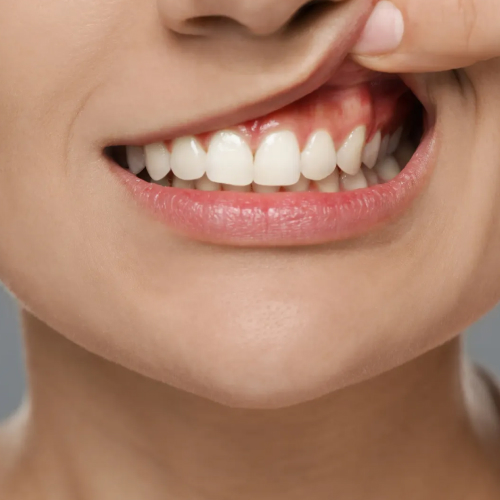
The decision hinges on chip size and location. A small chip at the incisal edge, away from the visible smile zone, can often be repaired with composite resin bonding applied directly to the porcelain surface. This is faster, less expensive, and avoids the color-match problem entirely. A large fracture, or one that has exposed the tooth structure underneath, typically requires full unit replacement — at which point your dentist may recommend replacing two or three adjacent veneers simultaneously to achieve a seamless match. This kind of work falls under aesthetic dentistry, where color matching and smile harmony are central to the outcome.
A Healthline overview of dental veneers notes that some patients receive only one veneer for a broken or chipped tooth, confirming that single-unit work is common — but the matching challenge grows with the age of the surrounding restorations.
When in doubt, bring photos of your original veneer shade to your dentist. Some practices retain digital shade records that simplify the rematch process significantly.
Schedule Your Veneer Consultation in Long Beach
Veneers are a long-term investment, and the decisions made at placement — preparation depth, material selection, bonding protocol — shape how they perform for the next decade or two. At Long Beach Family Dentist, we help patients throughout the Long Beach area choose the right veneer type, protect their restorations with the right aftercare plan, and troubleshoot issues like margin staining or single-unit chips before they become bigger problems. If you're also exploring options like pro teeth whitening to complement your smile, we can help you find the right combination of treatments. Reach out to schedule a consultation.
Medical disclaimer: This article is for informational purposes only and does not constitute professional dental or medical advice. Always consult a licensed dentist regarding your specific oral health needs.