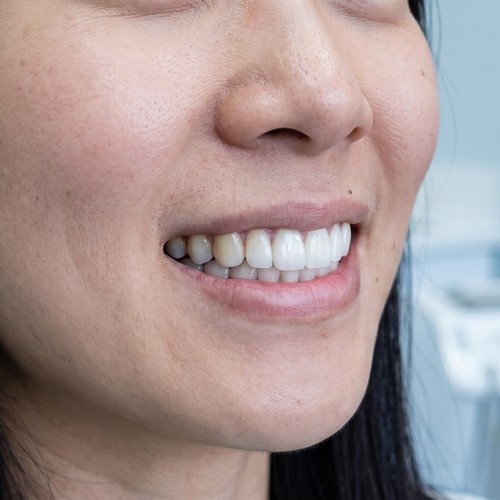
What Patients Ask Before Getting Veneers: Stains, Nightguards, and Whitening
Do veneers stain? Do you need a nightguard? Learn the facts about porcelain veneers and whitening. Schedule your consultation at Long Beach Family Dentist now!
Read More
Experiencing gum pain can be more than just an annoyance; it can be a signal from your body that something is amiss with your oral health. In this comprehensive guide, we'll explore the various causes of gum pain, how long it typically lasts, and effective methods to alleviate discomfort. Remember, while these tips can provide temporary relief, scheduling a consultation with our dental clinic ensures you receive personalized, professional care.
Gum pain, a common yet often distressing symptom, can be attributed to a range of factors. Identifying these can be crucial in determining the appropriate course of action for relief.
Poor Oral Hygiene
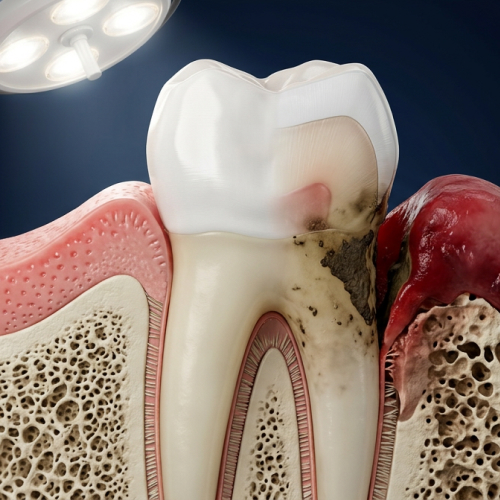
The most prevalent cause of gum pain is poor oral hygiene. Inadequate brushing and flossing lead to the accumulation of plaque—a sticky film of bacteria. This plaque hardens into tartar, causing irritation and inflammation of the gums, known as gingivitis. If left untreated, gingivitis can progress to periodontitis, a more severe form of gum disease characterized by pain, bleeding gums, and even tooth loss.
Dietary Choices
The foods and beverages we consume play a significant role in oral health. High consumption of acidic or sugary items can erode tooth enamel, making gums more susceptible to pain and disease. Acidic foods like lemons or tomatoes can irritate sensitive gums, while sugary snacks contribute to plaque buildup, exacerbating gum discomfort.
Dental Procedures
Common dental procedures such as tooth extractions, implant placements, or even routine cleanings can induce temporary gum pain. This pain is usually a normal part of the healing process. However, if the pain persists or worsens, it's crucial to consult with a dentist to ensure there are no complications such as infection or dry socket.
Other Health Conditions
Systemic health conditions can have a significant impact on gum health. For instance, diabetes is known to increase the risk of gum disease, leading to heightened sensitivity and pain. Hormonal changes during pregnancy can also affect gum health, causing pain and swelling. Furthermore, certain medications can cause dry mouth, which reduces saliva production - a natural defense against bacteria - thus leading to gum pain.
Oral Habits
Certain oral habits can contribute to gum pain. These include:
Tips for Prevention
Preventing gum pain largely revolves around maintaining good oral hygiene, which includes:
In summary, gum pain can arise from a variety of sources, but with proper care and attention, most causes can be managed or prevented. Maintaining a routine of good oral hygiene, being mindful of dietary choices, and seeking regular dental consultations are key steps in ensuring healthy gums.
The duration of gum pain can vary significantly, primarily based on its underlying cause. Understanding these causes and their implications is crucial in managing gum pain effectively.
Temporary Discomfort
In many instances, gum pain arises from temporary irritants or minor injuries. These can include:
Typically, in these cases, gum pain is mild and subsides within a few days to a week. Simple home remedies like rinsing with warm salt water or applying over-the-counter topical anesthetics can provide relief. However, if the pain persists beyond a week or worsens, it's advisable to consult a dentist.
Chronic Conditions
On the other end of the spectrum, persistent gum pain can be a symptom of more serious dental health issues, such as:
For these chronic conditions, the pain can persist until the underlying issue is addressed. This persistence of pain is a body's way of signaling that something more serious needs attention. Regular dental check-ups, proper oral hygiene, and timely treatment are vital in these cases. Delaying professional care can lead to worsening symptoms and more complex treatment needs.
The Importance of Professional Dental Advice
Regardless of the duration, persistent or severe gum pain should be a prompt to seek dental advice. A dental professional can diagnose the root cause of the pain and provide the appropriate treatment. This might include professional cleaning, medication, or other interventions depending on the diagnosis.
The duration of gum pain is a key indicator of its seriousness. While temporary discomfort often resolves with basic care, chronic pain signifies a need for professional intervention. Early consultation with a dentist can prevent complications and ensure healthier gums.
While professional dental care is paramount, there are several ways to manage gum pain at home.
Good Oral Hygiene Practices: Brushing gently with a soft-bristled toothbrush and flossing regularly can help soothe irritated gums and prevent further pain.
Salt Water Rinses: Rinsing your mouth with warm salt water can reduce swelling and alleviate pain.
Cold Compresses: Applying a cold compress to the outside of your cheek can help reduce pain and inflammation.
Over-the-Counter Medications: Pain relievers like ibuprofen can provide temporary relief but should be used as directed.
When to See a Dentist: If your gum pain persists for more than a week or is accompanied by other symptoms like bleeding, it's crucial to schedule a consultation with our dental clinic.
Dealing with gum pain can be distressing, but understanding its causes, duration, and treatment options can empower you to take the right steps towards relief. Remember, our dental clinic is here to help you with personalized care and advice. Don't hesitate to reach out and schedule a consultation if you're experiencing ongoing gum discomfort.
Fresh news from the dental world





Mon 8AM - 5PM
Tue 8AM - 5PM
Wed-Thu 8AM - 5PM
Fri 8AM - 5PM
Sat 9AM - 3PM
Sun Closed
Check out what our patients are saying in Long Beach, CA...


“Answers any questions...”
I been a patient here for over twelve years. Andrea greeted me and got my folder set up. Toni is very friendly and answers any questions you have promptly, when I always come in she greets you with a smile and makes your appointment enjoyable. Today Jovani and Dr. Joan made this experience great. I recommend this dentist for new patients.

“Clean and friendly...”
Very clean and friendly crew. I really enjoyed myself.

“A positive experience...”
Very clean and organized office! Entire staff was pleasant and friendly, and seems interested in ensuring I had a positive experience. Will definitely return! Affordable rates.

“My favorite dentist...”
The service here is amazing and they make you feel comfortable. I'm one of those people that hates to go to the dentist and the dentists that I went to in the past were not that great with service. Overall I found my favorite dentist service now at Long Beach Family Dentist.
“Answers any questions...”
I been a patient here for over twelve years. Andrea greeted me and got my folder set up. Toni is very friendly and answers any questions you have promptly, when I always come in she greets you with a smile and makes your appointment enjoyable. Today Jovani and Dr. Joan made this experience great. I recommend this dentist for new patients.
“Clean and friendly...”
Very clean and friendly crew. I really enjoyed myself.
Check out our accreditations, sources, and relationships in the wide world of dentistry...


Check us out and follow our Long Beach, CA practice on social media...