Root Canal vs Tooth Extraction
Comparing a root canal and tooth extraction? Learn how dentists choose the right treatment and the pros and cons of each option.
Read More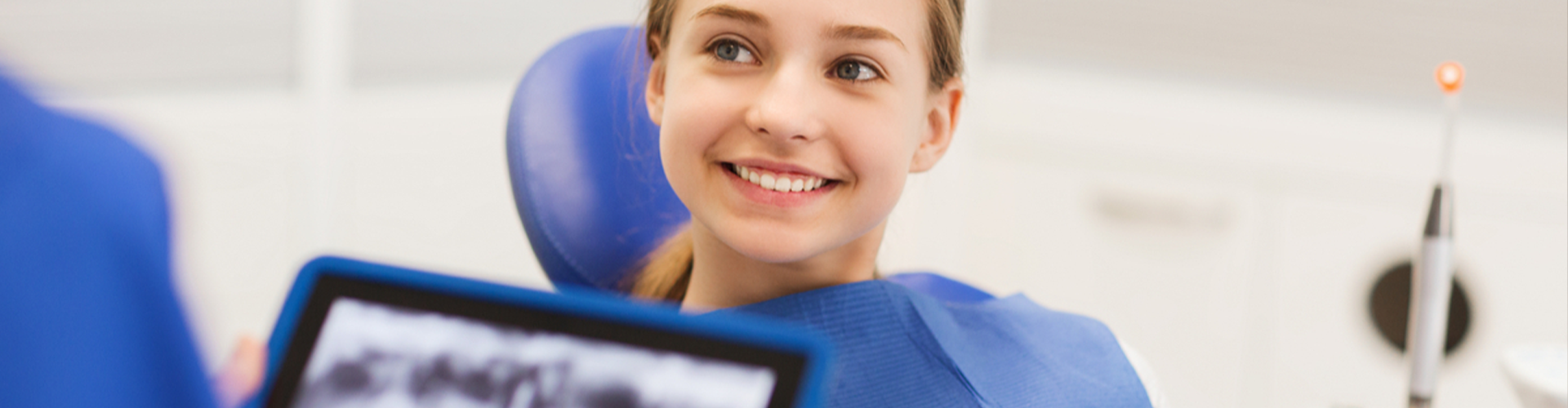
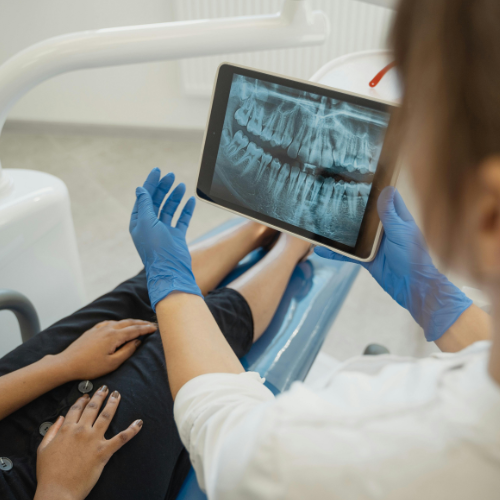
Dentists use dental x-rays to examine oral health, lesion development, and find problems related to teeth, soft tissues, and jaws. It also gives an accurate way for diagnosis and to find the best course of action to treat oral issues. Globally, 1.5 billion dental X-rays are performed every year for diagnosing oral problems. X-rays X-rays are electromagnetic radiations that have high frequency and low wavelength. These radiations can cause the ionization of atoms when they hit an atom. This procedure is performed in medical and dentistry for the diagnosis of various problems. Some patients wonder how much radiation they are exposed to and whether dental x-rays are safe. So the answer is obviously yes, as dental X-rays are very beneficial for your oral examination. Who Needs Dental X-rays? Dental X-rays are prescribed for those patients whose clinical problems cannot be visualized directly in the mouth. In adults, the following problems can be diagnosed, such as; Cavities in teeth Gingivitis Periodontitis Abscess or cyst Tumors or growths Alveolar bone loss and pulpitis This is also used in orthodontics for planning proper treatment. Dental x-rays are also used in forensic procedures for finding age. In children, X-rays determine: If decay is developing in teeth Impacted teeth in gums Space in the arch to accommodate incoming teeth
Types of Dental X-rays There are two different types of dental X-rays, as they record different oral cavity views. Intraoral X-rays are a common type of dental X-ray used in almost all dental clinics. Bitewing. This type of technique is used to check for cavities between teeth (interdental), changes in thickening of teeth, and determine the proper fit of crowns on abutments. Occlusal. This type is used to check the occlusion of the upper and lower jaw. Periapical. This technique gives complete detail from crown to root, where the tooth anchors to the jaw. Extraoral X-rays are used to detect problems in jaws and skull bones. Panoramic. This is a special technique in which the machine rotates around its head. This technique is used to check wisdom teeth and to investigate maxillary and mandibular problems. Impacted teeth are also studied in this procedure. Tomograms: These are used to show a particular layer of the mouth and blur the other unnecessary layers. Cephalometric projections: These are used mainly in orthodontic treatments for the realignment of teeth. Sialogram: This technique uses a dye, which is injected into salivary glands so they can be seen clearly in X-ray film. Who Should Not Have Dental X-rays? Pregnant women should take proper precautions for taking dental X-rays by placing a protector (lead apron shield) on the chest and abdominal regions because radiation may cause genetic and developmental problems in the newly dividing cells in the fetus. During developmental stages, cells are in a growing phase and dividing very rapidly, and any abnormality in these cells will cause significant problems in developing the fetus. Children are also more vulnerable to X-ray radiation, and it can cause severe problems in children. How Safe are Dental X-rays? People are exposed to a number of radiation-emitting sources such as the sun, minerals in the soil, electric appliances, and diagnostic X-rays that can damage tissues and cells or may cause cancers. Fortunately, dental X-rays have very low radiation levels, especially digital X-rays, which are safer than traditional film. The risk from a single dental radiogram for examination is negligible. Dental X-ray has 0.1mrem of radiation while a set of 4 bitewings has 0.4mrem. These low radiations have no harmful effect on oral tissues. Exposure to dental x-rays is very low and is considered safe for adults as well as children. Conditions The dose of the radiation should be low (as low as reasonably achievable) The frequency of the radiation should be low The target site must be achieved The distance between the source of x-rays and the patient must be proper The room should be dark
Digital X-ray Digital X-ray is a modern form of radiography whose radiation is 80% less than traditional film X-rays. X-rays nowadays are digital, and the amount of radiation you get from a single dental X-ray is less than what we get from two bananas. These X-rays use sensitive plates to identify data during the patient examination and transfer it directly to a computer system. This type of X-ray uses a very low dose of radiation which doesn’t cause any harmful effects on human health. So in comparison to daily activities, dental X-ray radiation is minimal and necessary for diagnosis. Advantages: Less time-taking Reduced radiation exposure Easy procedure Allows for high-quality care Better image quality No dark room is required Low cost and space procedure More eco-friendly Digital images are easily stored in computer systems which can be used for referrals Traditional Dental X-ray In traditional dental radiographs, also called ‘plane X-rays,’ a beam of X-ray is passed through a patient to a piece of film, which acts as a detector producing an image. These X-rays' penetration through different soft tissues is differently attenuated. The denser the tissue, the more radiopaque the image will be. This traditional system is less efficient as compared to the modern digital system. Advantages: Film x-ray images cannot be altered Film sensors are less rigid and thick compared to digital film sensors No extra training is required Most used and experienced technique Oral health is essential to maintain by brushing and flossing your teeth like these dental X-rays are an integral part of your oral health. Dental X-rays must be performed every one to two years. If we use proper apron shields while taking dental X-rays, then there would be no harmful effects of dental X-rays. So be regular in your dentist's appointments if you experience any changes in your mouth or any pain in your teeth. If your dentist uses digital dental x-rays instead of traditional films, the patient risk from radiation exposure will be even less.
Fresh news from the dental world



Mon 8AM - 5PM
Tue 8AM - 5PM
Wed-Thu 8AM - 5PM
Fri 8AM - 5PM
Sat 9AM - 3PM
Sun Closed
Check out what our patients are saying in Long Beach, CA...


“Answers any questions...”
I been a patient here for over twelve years. Andrea greeted me and got my folder set up. Toni is very friendly and answers any questions you have promptly, when I always come in she greets you with a smile and makes your appointment enjoyable. Today Jovani and Dr. Joan made this experience great. I recommend this dentist for new patients.

“Clean and friendly...”
Very clean and friendly crew. I really enjoyed myself.

“My favorite dentist...”
The service here is amazing and they make you feel comfortable. I'm one of those people that hates to go to the dentist and the dentists that I went to in the past were not that great with service. Overall I found my favorite dentist service now at Long Beach Family Dentist.

“A positive experience...”
Very clean and organized office! Entire staff was pleasant and friendly, and seems interested in ensuring I had a positive experience. Will definitely return! Affordable rates.
“Answers any questions...”
I been a patient here for over twelve years. Andrea greeted me and got my folder set up. Toni is very friendly and answers any questions you have promptly, when I always come in she greets you with a smile and makes your appointment enjoyable. Today Jovani and Dr. Joan made this experience great. I recommend this dentist for new patients.
“Clean and friendly...”
Very clean and friendly crew. I really enjoyed myself.
Check out our accreditations, sources, and relationships in the wide world of dentistry...


Check us out and follow our Long Beach, CA practice on social media...