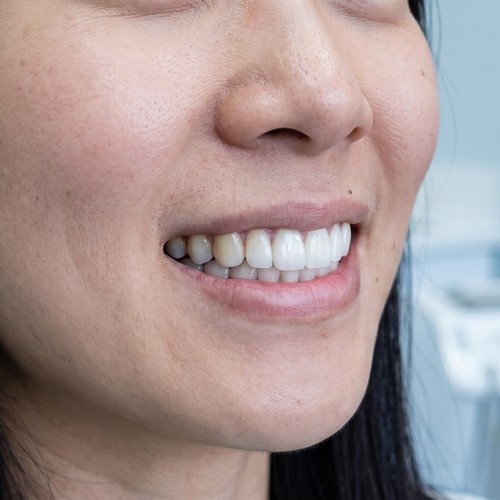
What Patients Ask Before Getting Veneers: Stains, Nightguards, and Whitening
Do veneers stain? Do you need a nightguard? Learn the facts about porcelain veneers and whitening. Schedule your consultation at Long Beach Family Dentist now!
Read More
Dental insurance, otherwise known as a dental plan, is a kind of health insurance which is designed for companies offering to pay a portion of the costs associated with dental care offered in dental clinics. Dental insurance is often provided along with vision insurance, with both types of care covered under a single plan. Dental insurance companies have fee schedules that are generally based on usual dental services, an average of fees in an area. The fee schedule is commonly used as the transactional means between the insurance company, dental office, dentist, and the patient. Categories Of Dental Insurance The features of many programs may differ, but they can be grouped into the following categories: 1. Direct Reimbursement Programs They pay patients a predetermined percentage of the total amount they spend on dental care and visits, regardless of the type of treatment they are going for. There is usually no exclusion of coverage based on the type of treatment needed, and patients are encouraged to choose the dentist of their choice and to work with the dentist towards healthy solutions. 2. Usual, Customary, And Reasonable Programs (UCR) They give patients the choice of which dentist to see. These plans pay a set proportion of the dentist's fee. These limits are the outcome of an agreement between the plan purchaser and the third-party payer. Although these limits are referred to as customary, they may or may not precisely reflect the prices that area dentists charge. 3. Capitation Programs They pay contracted dentists a fixed amount (usually every month) per enrolled family or patient. In return, the dentists agree to provide specific types of treatment to the patients at no charge. The capitation premium that is paid may differ greatly from the amount the plan provides for the patient's actual dental care.
Types Of Dental Insurance Dental insurance is similar to health insurance in some respects but different in other ways. The following options are present: 1. Preferred Provider Organization (PPO): A Preferred Provider Organization, or PPO, is a network of healthcare providers that provides its members with multiple choices regarding healthcare and healthcare providers. PPOs do not restrict patients from receiving care in-network. It is optional to designate a primary care provider. Appointments can be made directly with providers, and referrals are not required. In most cases, PPO plans provide better benefits and lower costs when services are obtained from network providers, which is why individuals are encouraged to do so. Although they may have to pay more for care outside of the plan, members can still seek care from providers outside the plan. 2. Health Maintenance Organization (HMO): A Health Maintenance Organization, or HMO, is a network of healthcare providers who agree to provide offerings at lower expenditures labored out by means of an insurance company. Members choose a single health practitioner from a listing of accredited healthcare providers. Various services and benefits provided by an HMO can differ depending on the company and the health plans. What Does Dental Insurance Cover? Generally, dental insurances cover some portion of the cost of preventive care, fillings, crowns, root canals, and oral surgery, such as tooth extractions. They might also cover orthodontics, periodontics, and prosthodontics, such as dentures and bridges. The first year of coverage may not include periodontics and prosthodontics for people who have an individual policy. For any type of policy, orthodontics frequently requires a rider, for which you must pay an additional fee. Most plans follow the 100-80-50 coverage structure. That means they cover preventive care at 100%, basic procedures at 80%, and major procedures at 50% or a larger co-payment.
What Is Better PPO Or HMO Dental Insurance? 1. Provider Networks A network is a team of healthcare vendors that are under contract with insurance plan agencies to provide discounted services for a particular HMO or PPO plan. To get hold of coverage in an HMO, you should first see your PCP, no matter what the trouble. If they cannot treat you, they will refer you to someone else inside the network. Staying inside your network in an HMO plan, you can rely on the most coverage. Go outside the network, and your coverage vanishes. With a PPO, you can go to physicians outside the network and nonetheless get some coverage, however, not as much as you would if you remained in the network. 2. Cost Analysis When choosing a PPO, you will have to pay a higher premium in exchange for having more flexibility and choice. An HMO provides no coverage outside the network, but patients experience decreased premium costs. 3. Claims Forms With an HMO, patients no longer need to file a claim because healthcare providers are paid directly via the insurance plan company. Under PPO, however, patients have to, on occasion, first pay out-of-network physicians and then file a claim for reimbursement from the insurance company. 4. Services Covered The variety of services supplied under the two plans depends on the organization and the type of plan taken, however, they are normally similar. 5. Prescriptions Just like the coverage underneath an HMO is confined to a network, the pharmacy locations where one can get their prescriptions filled and included under the plan are constrained as well. PPOs permit patients to fill a prescription nearly anywhere but with extra prices for an out-of-network pharmacy. 6. Exceptions Patients with an HMO do not need a referral throughout an emergency or for in-network visits. FAQs What Is A PPO Dental Plan? PPO stands for Preferred Provider Organization. In this type of dental insurance, the company has a network of connections with dentists who have agreed to charge a specific amount of fee for the desired service. However, patients are allowed to use their benefits at any dentist, regardless of whether they are in their plan's network or not. What Is A HMO Dental Plan? HMO stands for Health Maintenance Organization. With an HMO plan, the patient can select a primary care dentist that is in the insurance's network, and unless they encounter an emergency or are referred to a specialist, they must rely on that dentist for all of their oral health needs.
Fresh news from the dental world





Mon 8AM - 5PM
Tue 8AM - 5PM
Wed-Thu 8AM - 5PM
Fri 8AM - 5PM
Sat 9AM - 3PM
Sun Closed
Check out what our patients are saying in Long Beach, CA...


“Answers any questions...”
I been a patient here for over twelve years. Andrea greeted me and got my folder set up. Toni is very friendly and answers any questions you have promptly, when I always come in she greets you with a smile and makes your appointment enjoyable. Today Jovani and Dr. Joan made this experience great. I recommend this dentist for new patients.

“Clean and friendly...”
Very clean and friendly crew. I really enjoyed myself.

“A positive experience...”
Very clean and organized office! Entire staff was pleasant and friendly, and seems interested in ensuring I had a positive experience. Will definitely return! Affordable rates.

“My favorite dentist...”
The service here is amazing and they make you feel comfortable. I'm one of those people that hates to go to the dentist and the dentists that I went to in the past were not that great with service. Overall I found my favorite dentist service now at Long Beach Family Dentist.
“Answers any questions...”
I been a patient here for over twelve years. Andrea greeted me and got my folder set up. Toni is very friendly and answers any questions you have promptly, when I always come in she greets you with a smile and makes your appointment enjoyable. Today Jovani and Dr. Joan made this experience great. I recommend this dentist for new patients.
“Clean and friendly...”
Very clean and friendly crew. I really enjoyed myself.
Check out our accreditations, sources, and relationships in the wide world of dentistry...


Check us out and follow our Long Beach, CA practice on social media...